
 Cart is empty
There is a point where fashion stops being seasonal and starts becoming a statement about how we live, what we value, and how we choose to show up in the world. Nature’s Sunset has positioned itself precisely at that intersection, building a product ecosystem that is as intentional as it is visually compelling. With the launch and continued expansion of its women’s bathing suit collection—anchored by the standout recycled high-waisted bikini line—the brand is not simply releasing another swimwear option. It is reinforcing a philosophy: sustainability and elevated design are no longer separate conversations; they are the same conversation.
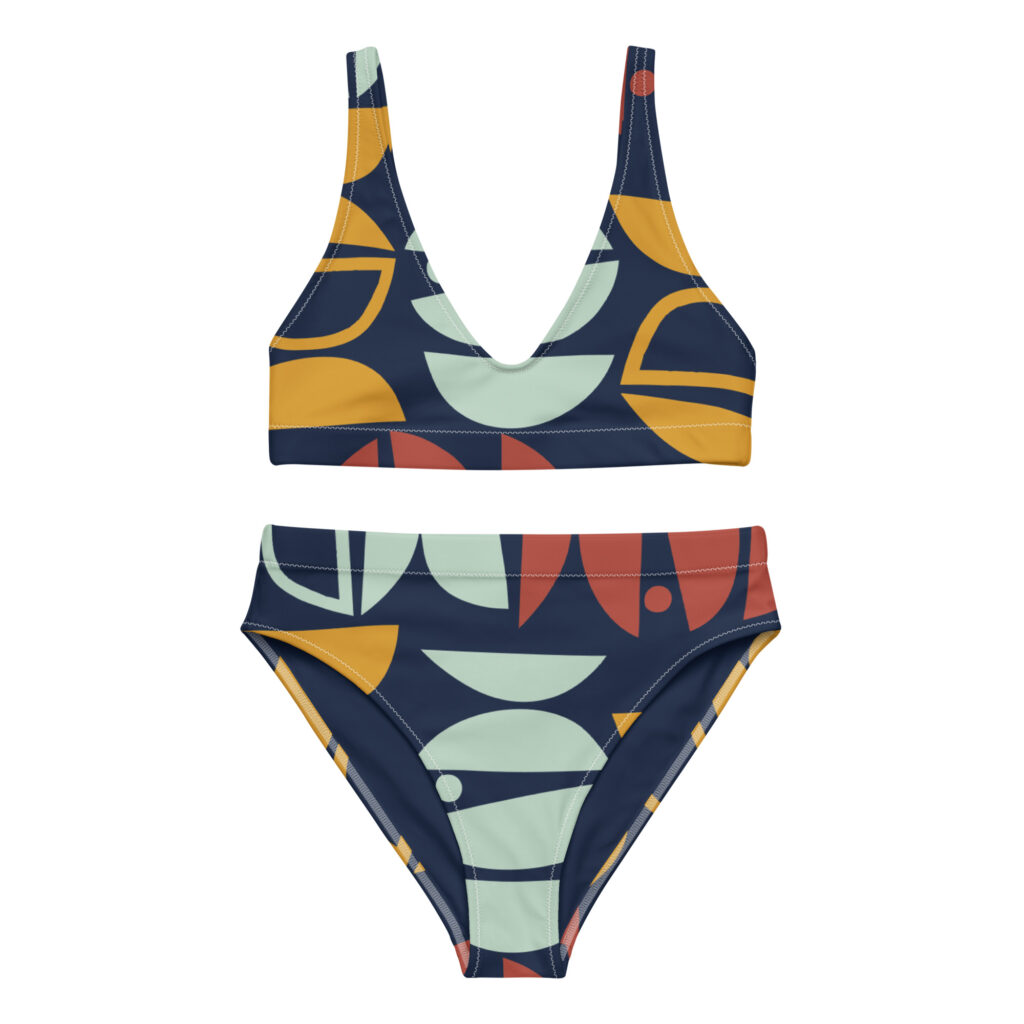
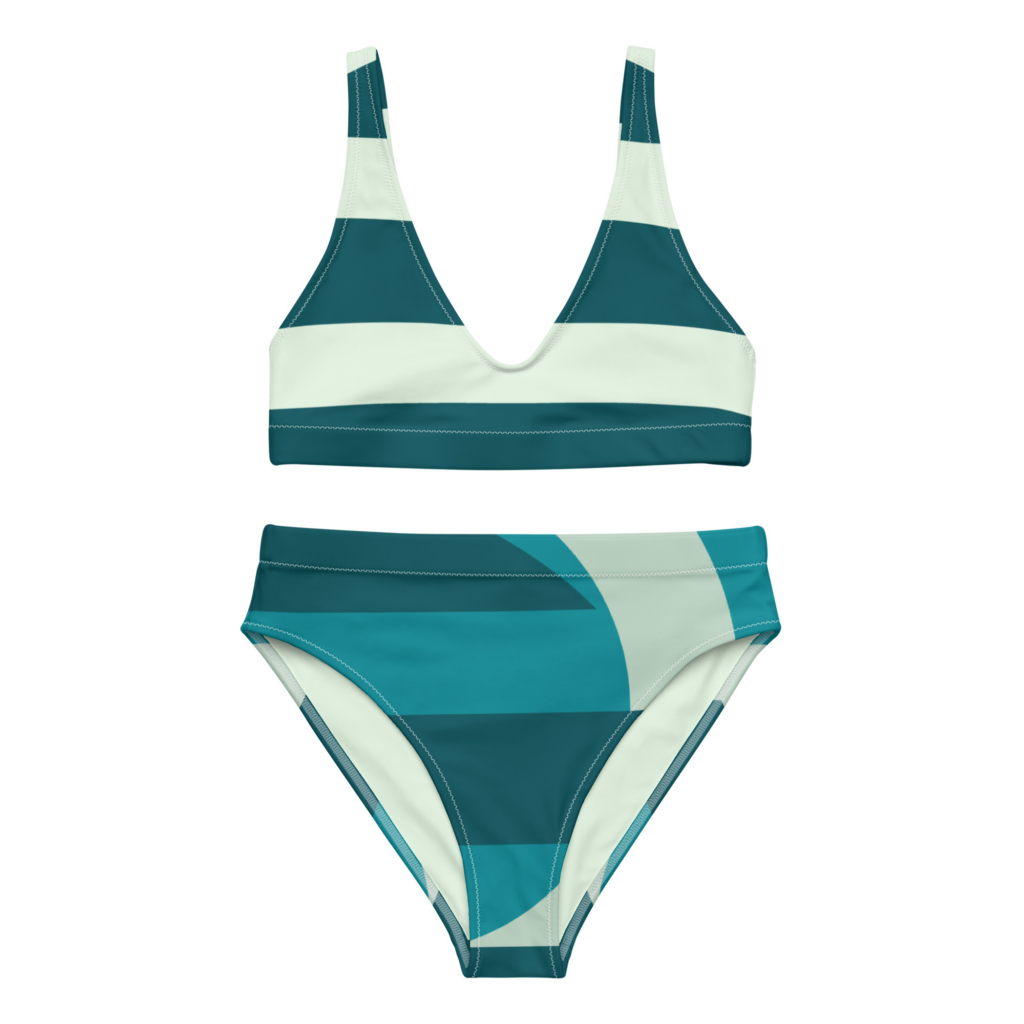
At the core of this featured collection is a refined understanding of what modern swimwear needs to deliver. Today’s consumer is no longer satisfied with aesthetics alone. Performance, comfort, durability, and ethical sourcing are all part of the decision-making process, and Nature’s Sunset meets that demand with precision. The recycled high-waisted bikini set is engineered to function seamlessly across environments—whether that’s a full day under the sun at the beach, a poolside setting, or a more active coastal lifestyle. Every element of the design is built with purpose, from the fabric composition to the construction techniques that ensure longevity without compromising flexibility.
The material foundation of the line is where the brand’s commitment becomes immediately evident. In the European production model, the fabric blend consists of 88% recycled polyester combined with 12% elastane, delivering a balance between structure and stretch that allows the garment to retain its shape while adapting to movement. In the Mexico-based production model, the integration of REPREVE recycled polyester alongside LYCRA XTRALIFE enhances durability even further, particularly in environments where exposure to chlorine, saltwater, and UV rays typically accelerates wear. This is not incidental—it is a deliberate engineering choice designed to extend the lifecycle of each piece, reducing the need for replacement and, by extension, minimizing environmental impact.
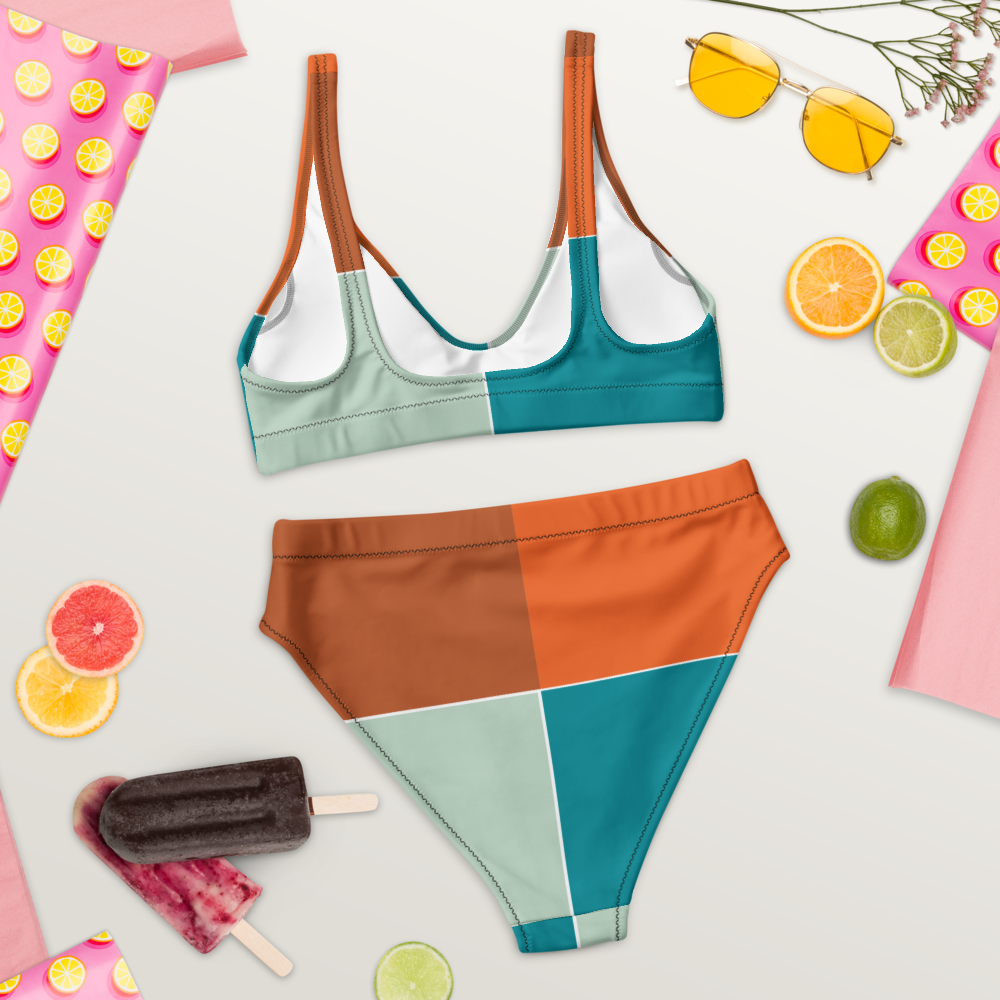
The tactile experience of the garment reinforces its technical credibility. With a fabric weight calibrated within a performance-optimized range—approximately 230 g/m² in EU production and 255 g/m² in MX production—the bikini achieves a balance that feels substantial without becoming restrictive. This weight contributes to a premium feel while ensuring that the suit maintains opacity and structural integrity, even after repeated use. The double-layer construction further enhances this dynamic, creating a smooth, supportive fit that eliminates the common issues of transparency and uneven wear while maintaining a streamlined silhouette.
From a design standpoint, the high-waisted cut is both a stylistic and functional decision. It offers a flattering, contoured fit that aligns with current fashion trends while also providing additional coverage and support. This dual benefit broadens the appeal of the piece, making it accessible to a wider range of body types without sacrificing aesthetic edge. The inclusion of removable padding introduces another layer of adaptability, allowing wearers to customize their level of support and shaping based on preference or activity. This modular approach reflects a broader shift in apparel design toward personalization—an area where Nature’s Sunset is clearly paying attention.
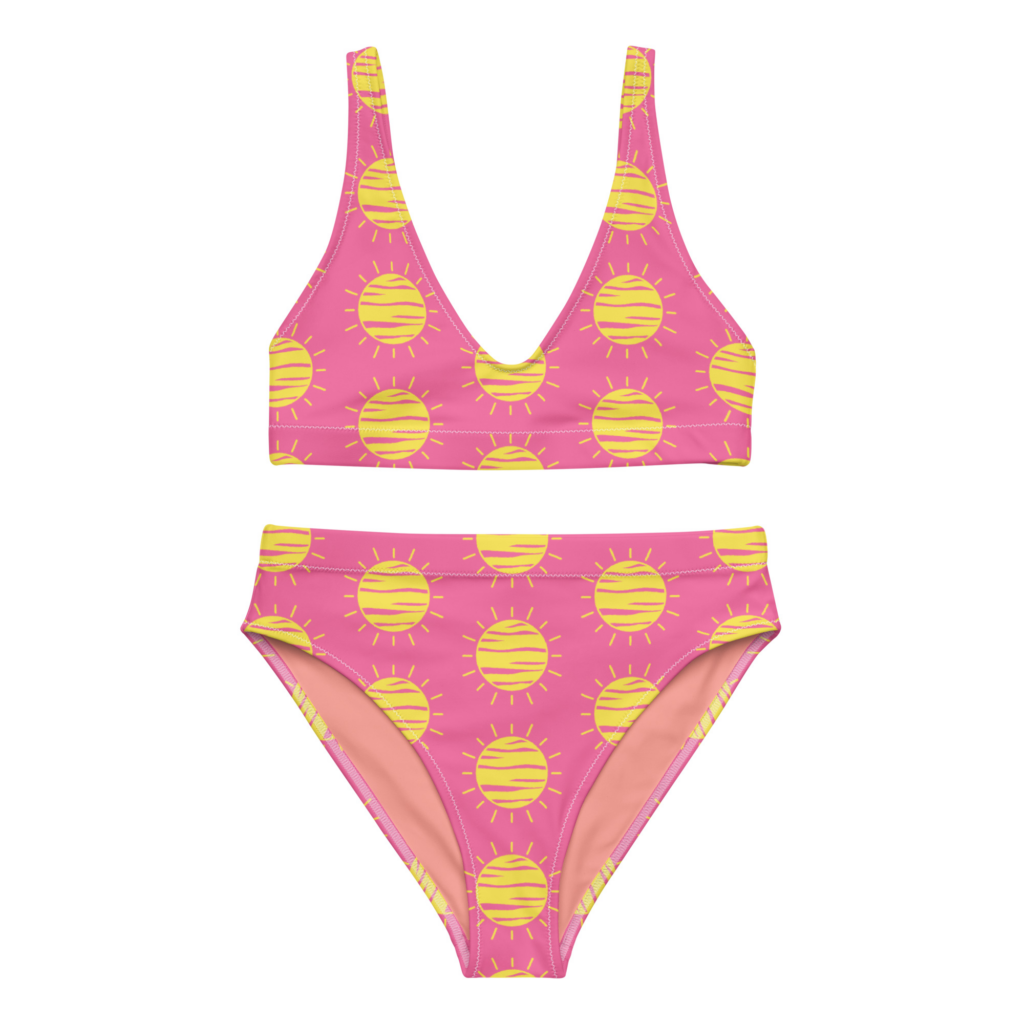
Construction details, often overlooked in mass-market swimwear, are treated here with a level of care that signals premium intent. Zig-zag stitching is not merely a stylistic flourish; it is a structural technique that enhances elasticity and resilience, allowing seams to move with the fabric rather than against it. This reduces stress points and extends the durability of the garment under repeated strain. The tear-away care label is another subtle but meaningful inclusion, eliminating irritation and contributing to an overall cleaner wearing experience. These are the kinds of decisions that do not always make headlines but ultimately define whether a product feels thoughtfully made or simply assembled.
What distinguishes this line even further is how seamlessly it integrates into the broader Nature’s Sunset product architecture. The women’s bathing suit collection is not an isolated category; it is part of a cohesive lifestyle offering that reflects the brand’s identity across multiple touchpoints. By maintaining consistency in material standards, design language, and production ethics, Nature’s Sunset ensures that each new release reinforces the integrity of the brand rather than diluting it. This is critical in a market where fragmentation often undermines credibility.
Equally important is how the brand communicates its value proposition. Rather than relying on generic sustainability claims, Nature’s Sunset embeds its commitments directly into the product itself. The use of recycled fibers is not positioned as a marketing add-on but as a foundational element of the design process. This approach resonates with a more informed audience—one that is increasingly skeptical of superficial branding and more interested in verifiable substance. By aligning material innovation with aesthetic execution, the brand creates a narrative that is both credible and compelling.
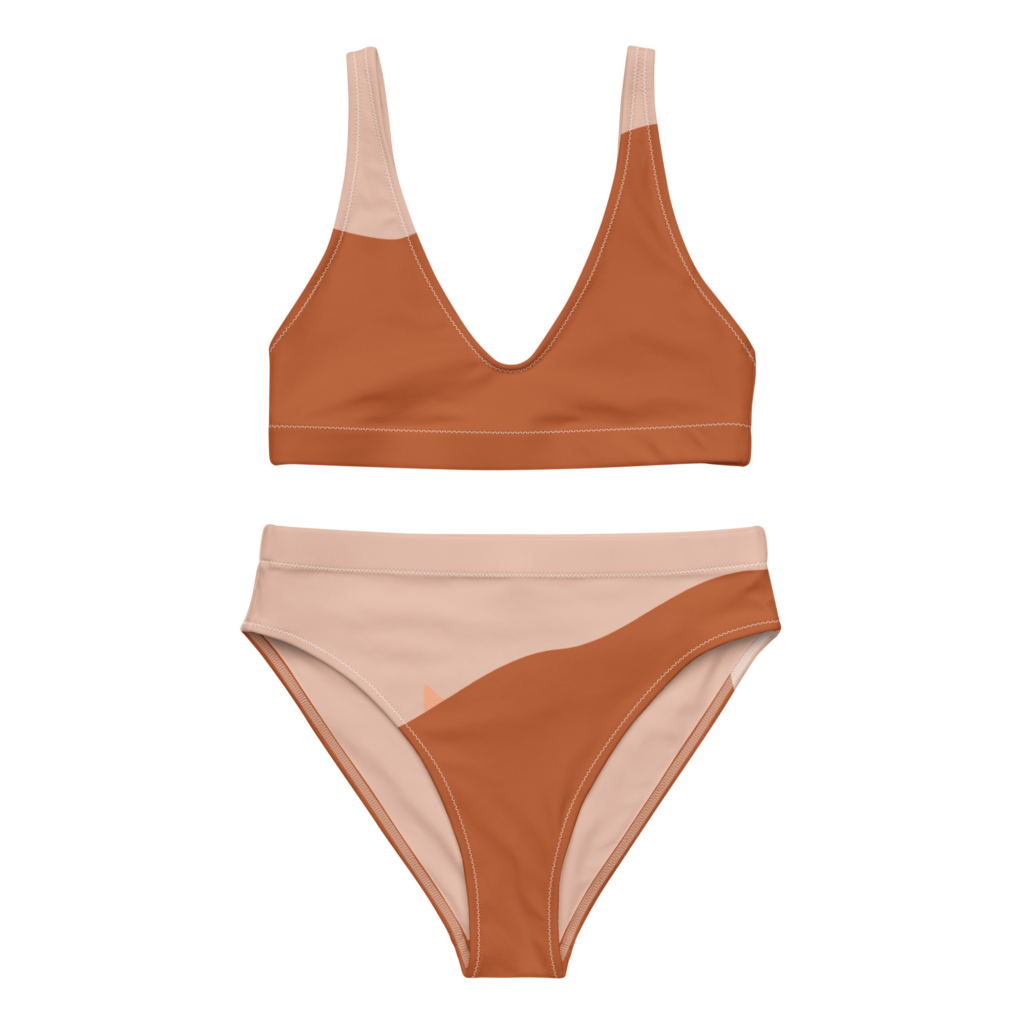
The consumer experience extends beyond the garment to the accessibility of the collection itself. The full bathing suit line can be explored through the brand’s dedicated retail channel, where the Nature’s Sunset bathing suit collection is presented as a curated environment rather than a crowded catalog. This controlled presentation reinforces the premium positioning of the brand while allowing each product to stand on its own merits. It is a strategic decision that prioritizes clarity over volume, ensuring that the focus remains on quality and differentiation.
From a market perspective, the timing of this release is particularly significant. The swimwear industry is undergoing a structural shift, driven by increasing consumer awareness around sustainability and a growing demand for products that deliver both performance and purpose. Brands that fail to adapt risk being left behind, while those that can integrate these elements authentically stand to capture a more loyal and engaged audience. Nature’s Sunset is clearly operating within the latter category, using its recycled high-waisted bikini line as a proof point for what the future of swimwear can look like.
There is also a broader cultural dimension at play. Swimwear has always been a category that intersects with identity, confidence, and self-expression. By offering a product that combines environmental responsibility with a flattering, adaptable design, Nature’s Sunset is contributing to a more inclusive and forward-thinking narrative. It is not just about what the product looks like, but what it represents—a shift toward more conscious consumption without sacrificing style or performance.
In evaluating the collection as a whole, what emerges is a brand that understands the importance of alignment—between materials and mission, design and durability, aesthetics and ethics. The recycled high-waisted bikini line is not an isolated success; it is the result of a system that has been built to support this level of execution. Every detail, from fabric composition to stitching technique, reflects a deliberate effort to create something that is both immediately appealing and enduring over time.
For consumers navigating an increasingly complex apparel landscape, that clarity matters. It reduces friction in the decision-making process and builds trust in the product.
Nature’s Sunset has recognized that trust is not earned through messaging alone but through consistent delivery across every aspect of the brand. With this collection, it is delivering a product that meets the moment—technically, aesthetically, and ethically—while setting a benchmark for what sustainable swimwear should be.
The result is a line that does more than compete; it defines a category.