
 Cart is empty
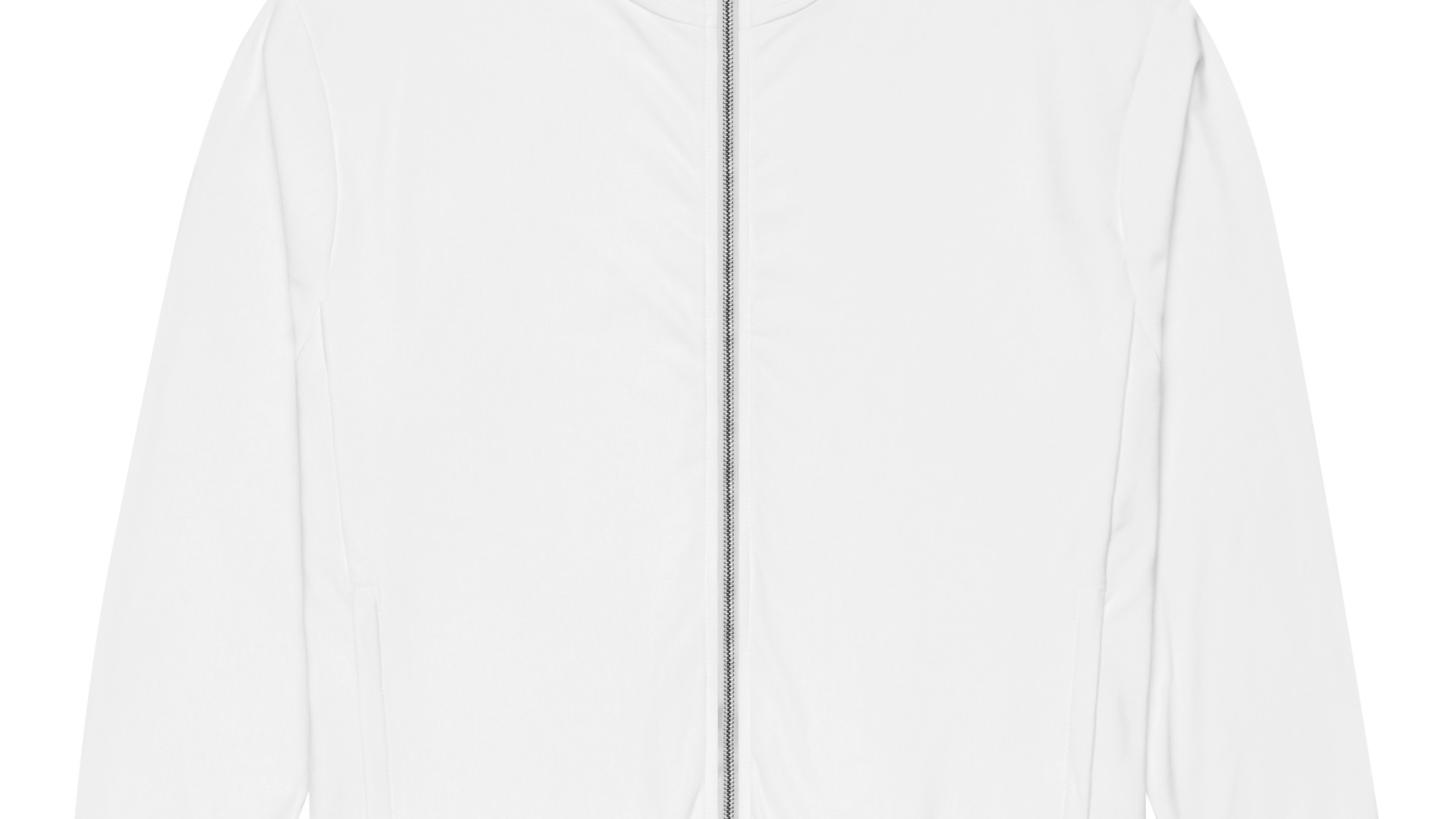
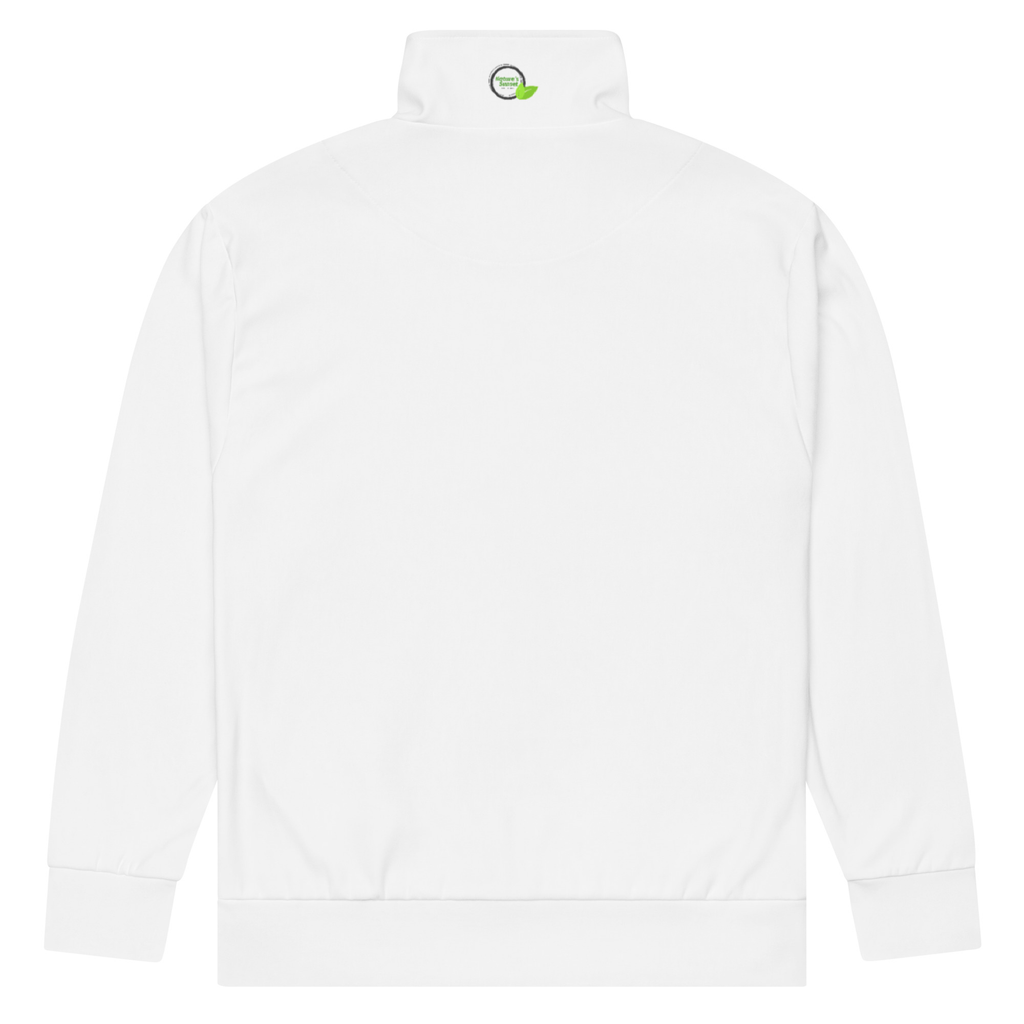
Nature’s Sunset Feature
Nature’s Sunset Unisex Track Jacket Turns Certified Recycled Fabric Into Everyday Athletic Wear
Brushed fleece on the inside, a soft cotton feel face on the outside, and a Global Recycled Standard certificate behind the fabric.
The track jacket has always been a garment of motion. It started life as the layer athletes pulled on over their kit before a race, light enough to wear while loosening up on the infield and warm enough to hold the heat of a warm up until the starting call. Somewhere along the way it stepped off the track and into daily life, and today it is as likely to appear on a morning commute, a weekend errand run, or a lap around the neighborhood as it is at a training session. The appeal is easy to explain. A zip front, a clean line, and a fabric that moves with the body make it one of the most practical outer layers a person can own.
What has changed is how much people expect to know about the fabric inside it. The Nature’s Sunset Unisex Track Jacket answers that question with unusual clarity. It is made from ninety five percent recycled polyester and five percent spandex, finished with a soft cotton feel face and a brushed fleece interior, and its fabric is certified under the Global Recycled Standard. Priced from $87.50 to $94.50 depending on size, it is built for workouts, outdoor time, and ordinary days that simply call for something warm and easy to zip on.
A Garment Born in the Warm Up Lane
Part of what makes the track jacket endure is that its design solves real problems. A full zip lets the wearer regulate temperature in seconds, opening up as the body heats and closing again when the wind picks up. A relaxed cut leaves room for a layer underneath without restricting the shoulders or arms. Pockets that close securely keep keys and a phone in place during movement. None of these ideas is decorative. They are the reasons the jacket crossed over from sport into everyday dress and stayed there.
Nature’s Sunset has kept that logic intact. The jacket is a zip up in a relaxed unisex fit, with zippered pockets and premium quality zippers, designed to shift easily between a gym session, an outdoor walk, and a day of errands. What it adds is a material story that holds up to scrutiny, which is exactly what the current moment in fashion is demanding.
The Moment the Industry Is In
The timing of this jacket matters as much as its materials. The global market for eco friendly products is being reorganized by regulators who are no longer willing to accept vague marketing language in place of evidence. In Europe, the Ecodesign for Sustainable Products Regulation now prohibits large fashion companies from destroying unsold clothing and footwear, and it asks those companies to put surplus stock toward donation for at least eight weeks. The practical effect is to make overproduction costly in a way it never was when leftover inventory could quietly disappear into an incinerator.
Behind that policy sits a quickly maturing recycling economy. Reju has opened its first research and development center in the United States to push industrial scale polyester recycling forward, and Fashion for Good has expanded its Fiber Club so that recycled yarns can make commercial sense for mainstream brands. Meanwhile, mycelium leather, pineapple fibers, and algae based textiles are appearing in major 2026 apparel lines as brands try to loosen their reliance on petroleum based virgin synthetics. What was once a boutique experiment is turning into a supply chain.
Beauty is moving in the same direction. Illinois has joined the states banning intentionally added forever chemicals, known as PFAS, in cosmetics, makeup, and dental floss, and eight states had full cosmetic bans in place by July 2026. Cruelty free certifiers such as PETA and Cruelty Free International have tightened their requirements so that brands must document every third party ingredient supplier instead of pointing to a finished product statement. One widely followed clean beauty brand drew sharp criticism after reports that it had reintroduced animal derived ingredients into some formulas without announcing it, and China’s cosmetics standards authority has advanced a proposal to broaden non animal safety testing through validated cell based laboratory methods. In the United States, the FDA’s Modernization of Cosmetics Regulation Act is fully active, requiring facility transparency and giving authorities room to act against brands whose use of words like natural or eco friendly cannot be supported by their supply chains.
Why Certification Changes the Conversation
A recycled claim on a tag is only as strong as the proof behind it, which is why the certification attached to this jacket’s fabric deserves attention. The fabric is certified under the Global Recycled Standard, commonly known as GRS, a third party standard that verifies recycled content and follows it through the supply chain. Independent verification replaces a brand’s promise with an outside check. In an environment where certifying organizations are closing loopholes and regulators are penalizing unsupported buzzwords, a certified fabric gives a garment a footing that marketing language alone cannot supply.
For shoppers, this makes the buying decision simpler. Instead of wondering how much of a jacket is genuinely recycled or whether the claim would survive a closer look, they can point to a recognized standard. It turns sustainability from a feeling into something that can be checked, and it signals that the brand expects to be held accountable. That expectation is quickly becoming the baseline across the entire industry.
Inside the Fabric: Face, Fleece, and Weight
The fabric is where the jacket earns its place. Ninety five percent of it is recycled polyester, which draws on plastic that already exists instead of newly extracted petroleum. The remaining five percent is spandex, a small share that gives the fabric stretch and recovery so the jacket moves with the body and returns to shape after a day of wear. The two sides of the material are built for different jobs, and they are best understood one at a time.
A soft cotton feel face
The outer surface has the hand of a cotton knit rather than the slick feel people expect from athletic polyester. It gives the jacket a smooth, low shine finish that looks clean on its own and layers easily over a tee or a hoodie.
Brushed fleece inside
The interior is brushed fleece, soft against the skin and sleeves and built to hold warmth close to the body. It is the reason this jacket works as a real cool weather layer instead of a thin shell.
Weight is the third part of the story. The fabric comes in at 9.08 ounces per square yard, or 308 grams per square meter, which places it comfortably in midweight territory. That is a noticeably more substantial build than a lightweight jacket such as the Premium Recycled Bomber Jacket from the same collection, and it explains why the track jacket feels at home on colder mornings and in the heart of fall.
Fabric weight, ounces per square yard
Built for Workouts, Walks, and Everything Between
Versatility is the real test of any jacket, and this one passes it from several angles. For training, the stretch in the fabric and the relaxed cut leave the shoulders free, while the brushed fleece keeps muscles warm before and after a session. For outdoor time, the zippered pockets secure small essentials during a hike, a run, or a long walk, and the full zip makes it easy to open the jacket as the body warms up. For ordinary days, it slips over a tee and jeans and looks put together without any effort.
The zippers matter more than they seem to. A zip up jacket is only as dependable as its closure, and a stuck or split zipper can end a jacket’s useful life long before the fabric wears out. Premium quality zippers on both the front and the pockets are a quiet sign that the jacket was built to be used hard and used often. Durability is a form of sustainability, because the most responsible garment is the one that stays in rotation for years.
The relaxed unisex fit supports the same goal. A cut that works across body types and preferences can be shared, borrowed, or passed along without a second thought, and garments that get worn by more people for longer cost the planet far less per wear than pieces that sit unused after a single season.
Recycled Polyester and the Road Ahead
Polyester carries a complicated reputation because conventional polyester starts as virgin petroleum. Recycled polyester changes that starting point by turning existing plastic into new fiber, which reduces demand for fresh fossil resources and gives already manufactured material a longer life. The honest version of the story is that this jacket pairs a high recycled content with a small amount of spandex for performance, and that combination reflects what is practical and available at scale today.
That practicality is improving. As new recycling facilities open and industry collaborations make recycled yarns easier for brands to buy, the system is becoming steadily better at closing the loop. Plant based and laboratory grown materials will likely take on a bigger role in the years ahead, but recycled polyester remains the most workable, affordable, and proven option for everyday athletic wear right now. Choosing it today supports the demand that gives tomorrow’s recycling and material innovation a reason to keep moving.
A Collection Built on One Consistent Standard
The Unisex Track Jacket is part of the broader recycled clothing collection from Nature’s Sunset, which spans hoodies, sweatshirts, jackets, crop tops, athletic wear, and swimwear. Every piece follows the same principle of material integrity, and that consistency is what gives any single item credibility. One recycled product can be dismissed as a marketing exercise, but a full collection organized around recycled and organic materials signals a genuine operating philosophy.
The same care extends beyond apparel into beauty, home, and wellness products. As regulators demand supply chain documentation, certifying bodies require closer tracking, and authorities lose patience with unsupported claims, brands that already operate with this level of openness will be ahead of the curve instead of scrambling to catch up.
Sizing, Pricing, and What to Know Before You Buy
The Unisex Track Jacket is priced from $87.50 to $94.50, with the final price depending on the size selected. A size guide on the product page helps shoppers choose the right fit, and because the cut is relaxed and unisex, many people will find they can size according to how much layering room they want underneath. Here is the jacket at a glance.
The fabric is certified by the Global Recycled Standard, so the recycled content behind the jacket is not just a claim on a label. It is something that has been independently verified.
Where Responsible Athletic Wear Goes Next
Athletic wear is entering a stretch where the brands that win will be the ones that treat verification, durability, and honest materials as the starting line. Nature’s Sunset has been building toward that standard, and the Unisex Track Jacket is one of its most complete expressions: warm, flexible, comfortable to wear, and backed by a certified recycled fabric.
Anyone ready to update their outerwear with a layer that works as hard as they do will find the Unisex Track Jacket well worth a close look, along with the rest of the recycled clothing collection. As the rules around sustainability claims keep tightening and shoppers keep asking better questions, a jacket with proof behind it is simply the smarter way to stay warm and keep moving.