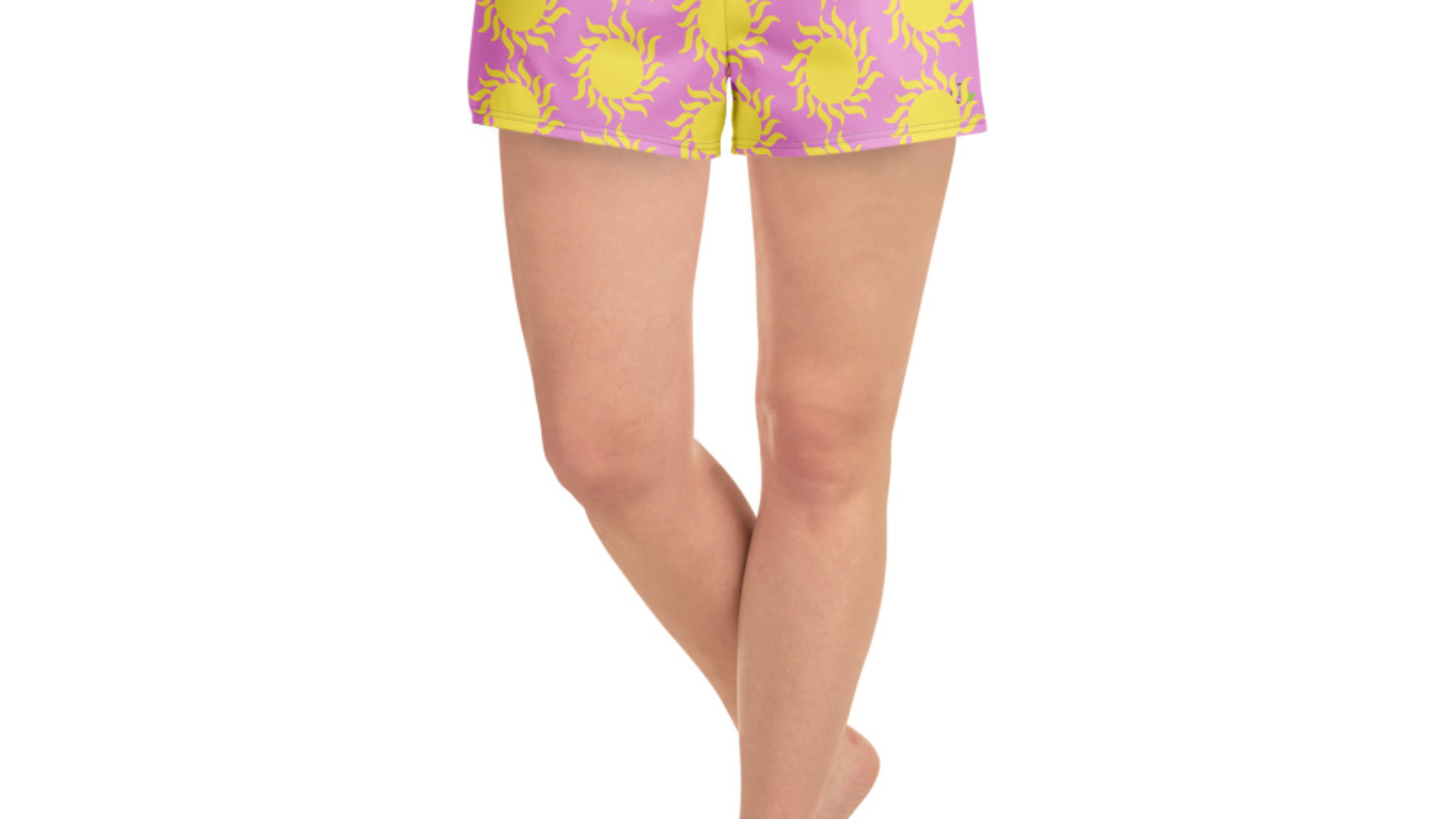
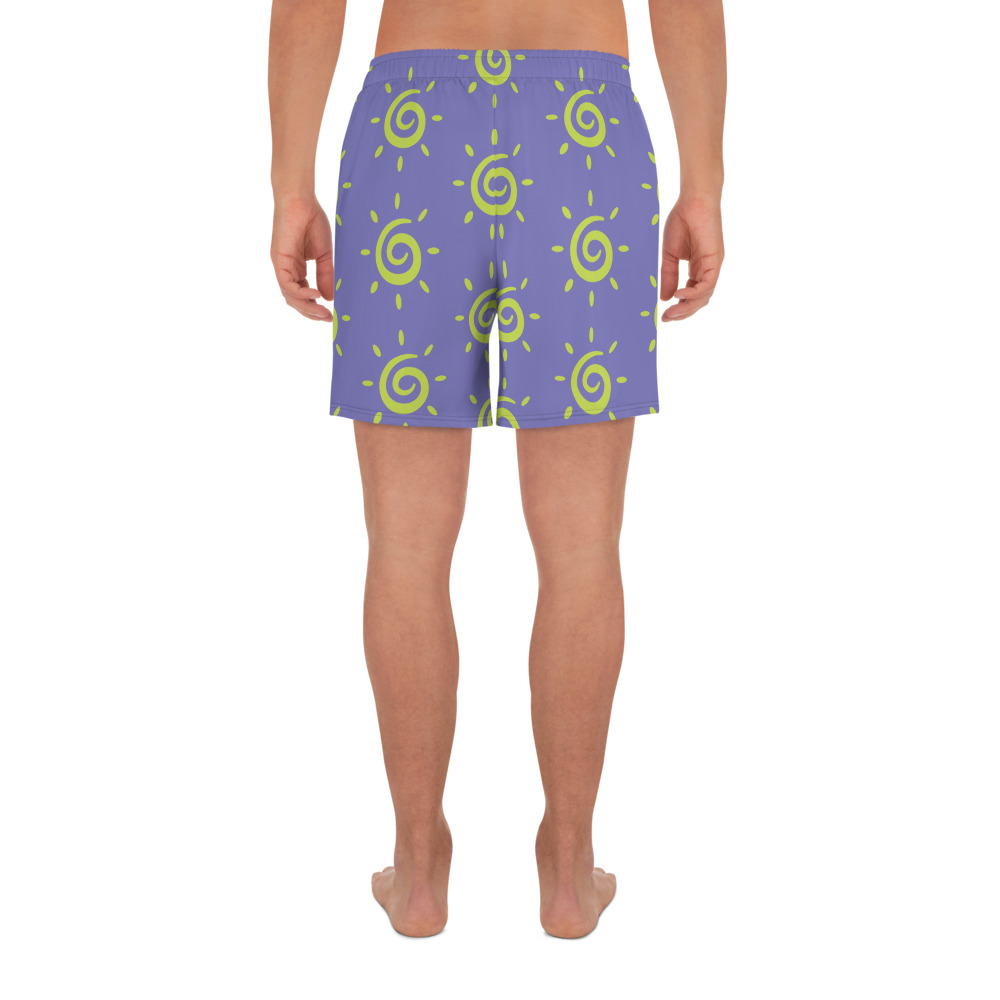
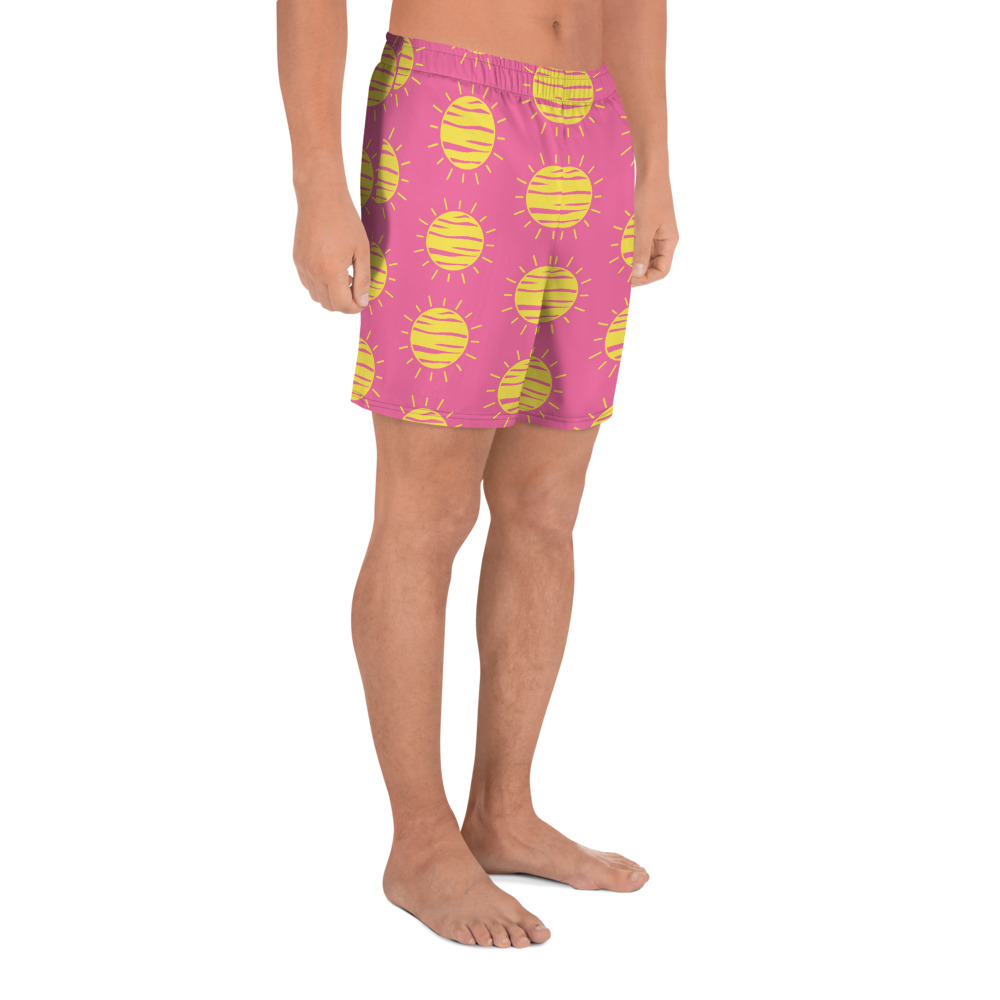
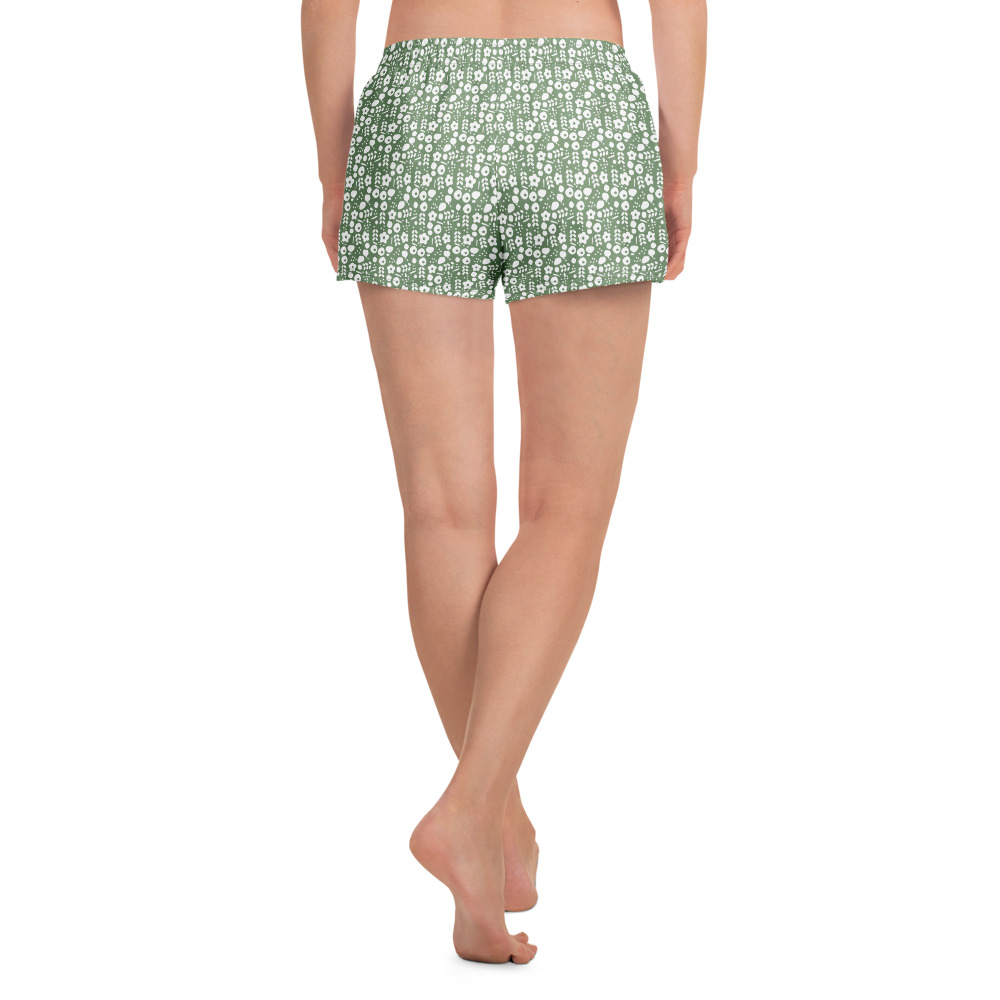
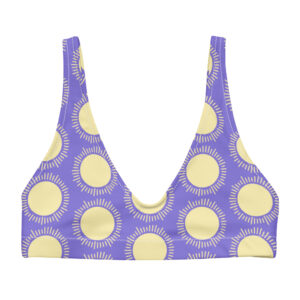
all-over-print-recycled-high-waisted-bikini-white-right-front-67fac702ad82e

Nature’s Sunset Redefines Everyday Performance Wear and Swimwear with the Unisex Athletic Shorts and Recycled High-Waisted Bikini

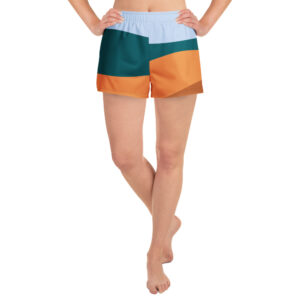
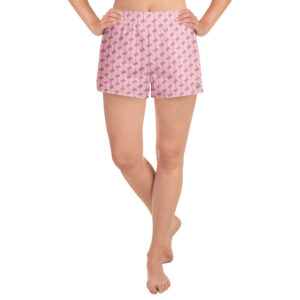
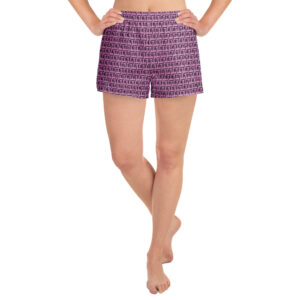
The apparel industry is in the middle of one of the most consequential shakeups it has seen in decades, and the timing could not be more fitting for what Nature’s Sunset has built into its clothing line. Regulators across the globe are no longer content to let brands hide behind vague marketing language. Sweeping new rules are forcing manufacturers to prove, with real documentation, that the materials in their products are what they claim to be and that the waste created along the way is being handled responsibly. Against that backdrop, Nature’s Sunset has quietly been doing the work that many companies are only now being forced into, and its Unisex Athletic Shorts stand as one of the clearest examples of that philosophy in action.

This is not a coincidence. It is the result of a brand built from the ground up around the idea that sustainability should be engineered into a garment rather than printed on a tag. As the wider fashion world scrambles to catch up with new expectations, Nature’s Sunset offers a look at what a mature, responsibly built product line already looks like.

A Regulatory Reckoning Is Reshaping the Entire Apparel Industry

To understand why the Unisex Athletic Shorts matter right now, it helps to understand the environment they were built for. The European Union has implemented sweeping new rules under its Ecodesign for Sustainable Products Regulation, and one of the most significant provisions bans large fashion corporations from destroying unsold apparel and footwear outright. Rather than sending excess inventory to a landfill or an incinerator, these companies must now prioritize donating surplus stock for a meaningful stretch of time before disposal becomes an option. It is a direct strike against the wasteful cycle of overproduction that has defined fast fashion for years, and it signals a broader shift in how governments intend to treat clothing waste going forward.

That shift is not limited to what happens after a garment fails to sell. It extends to what garments are made of in the first place. Textile recycling has moved well past the pilot stage and is now scaling into genuine industrial infrastructure. New research and development centers dedicated to textile to textile polyester recycling are opening in the United States, and industry collaboratives focused on fiber innovation are working to make recycled yarns commercially viable at a scale that mainstream brands can actually use. At the same time, next generation bio fabricated materials, once considered a niche luxury concept, are being integrated into mainstream apparel lines as manufacturers look for ways to reduce their dependence on petroleum based virgin synthetics.

Beauty and personal care are experiencing their own version of this reckoning. State legislatures across the country have begun banning the intentional use of certain persistent chemical compounds in cosmetics and personal care products, and multiple states have now enacted full prohibitions. Certification bodies that once granted cruelty free status based on a simple statement from the finished product manufacturer have tightened their standards considerably, now requiring full documented tracing of every ingredient supplier in a product’s chain. Even long trusted names in clean beauty have found themselves under scrutiny after quietly stepping back from vegan formulation commitments they had spent years building. Regulatory frameworks governing cosmetics manufacturing have also matured, granting oversight bodies real authority to penalize brands that use unregulated buzzwords like natural or eco friendly when their actual supply chains cannot support the claim.

The throughline across every one of these developments is the same. The era of taking a brand’s word for it is ending. Consumers, regulators, and watchdog organizations now expect proof, and that proof has to be built into a product from the very beginning rather than bolted on after the fact through a clever label. This is precisely the standard that Nature’s Sunset has held itself to, and the Unisex Athletic Shorts are a direct expression of it.

Engineering Meets Purpose in the Unisex Athletic Shorts

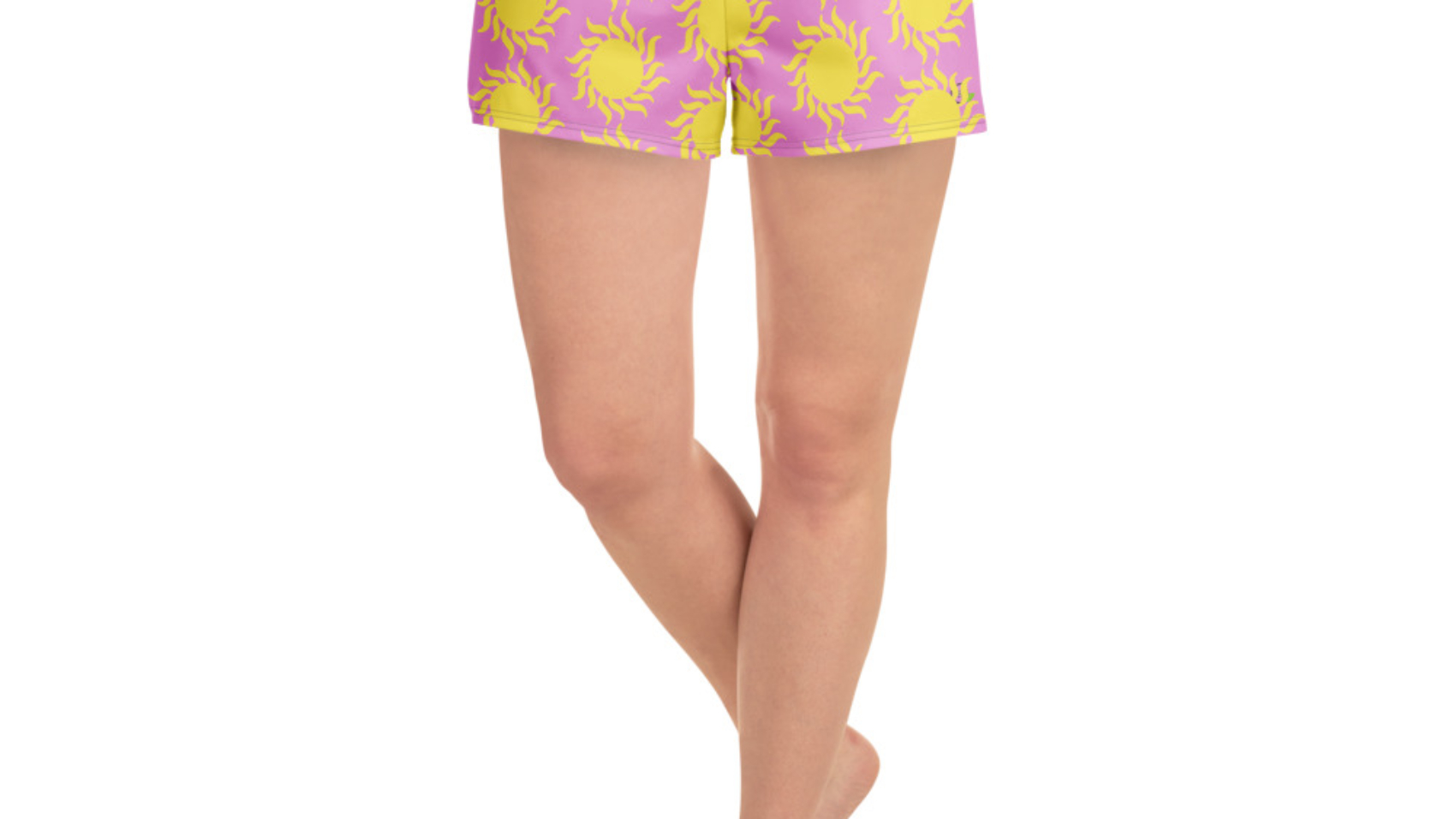
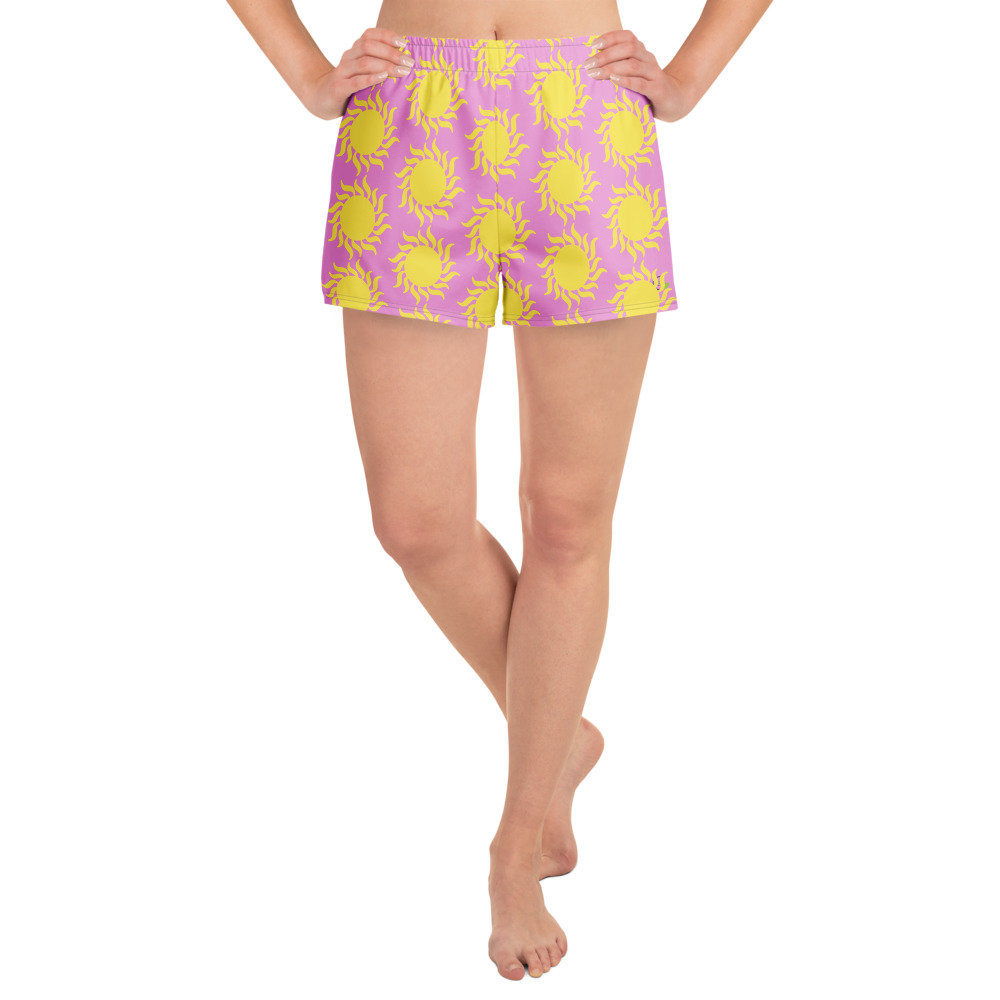
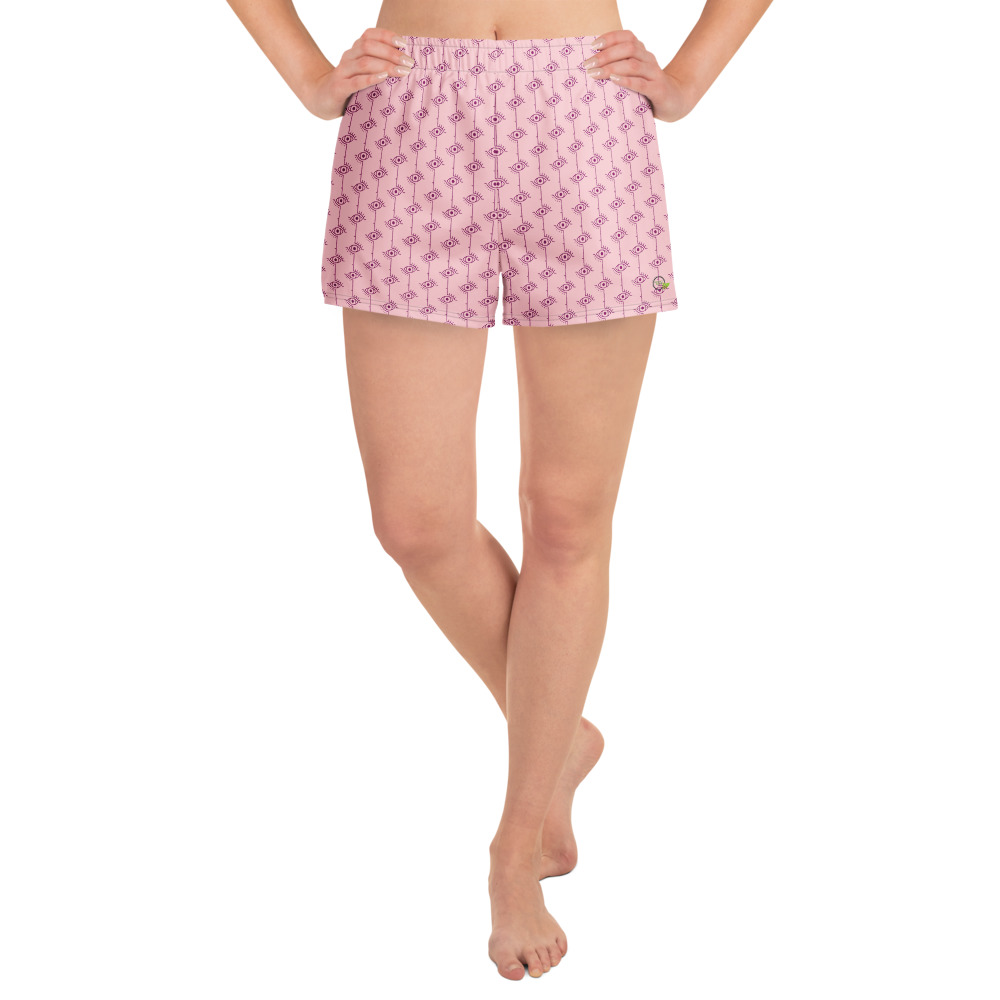
At the center of this feature is a piece of activewear that was designed to do far more than look good on a hanger. The Nature’s Sunset Unisex Athletic Shorts are constructed from a blend of ninety one percent recycled polyester and nine percent spandex, a combination chosen deliberately to give the fabric both structure and give. That recycled polyester content matters enormously in the current climate. Instead of relying on newly extracted petroleum to create synthetic fiber, this fabric diverts existing plastic waste back into a usable, wearable form, directly supporting the same circular economy principles that regulators around the world are now writing into law.

The fabric itself has been engineered for genuine athletic performance rather than simply borrowing the aesthetic of a workout garment. At a weight of just over five ounces per square yard, it strikes a careful balance between durability and breathability. A four way stretch construction allows for a complete range of motion, whether someone is midway through a training session, cooling down after a swim, or simply going about an active day. Moisture wicking microfiber technology pulls sweat away from the skin, while the fast drying nature of the material means the shorts do not stay damp or heavy after intense use, an especially valuable feature for anyone who moves between multiple activities in a single outing.

Sun protection has been built directly into the fabric as well, with a rating that blocks the overwhelming majority of harmful ultraviolet rays. That kind of built in protection is not just a bonus feature. It reflects a design philosophy that treats a garment as something that should actively protect the body, not merely cover it. An elastic waistband paired with a flat white drawstring allows for a fully adjustable, secure fit regardless of body type, which speaks directly to the shorts’ unisex design intention. Mesh side pockets provide practical, breathable storage without adding bulk or weight, and a two and a half inch inseam keeps the silhouette athletic and unrestrictive, equally suited to a run, a swim, or a gym session.

Every one of these specifications was chosen with intention. Nothing about the construction feels like an afterthought, and that consistency is exactly what a genuinely sustainable product should look like in a world where so many companies are being caught making claims their supply chains cannot back up.

Extending the Same Standard to Swimwear with the Recycled High-Waisted Bikini

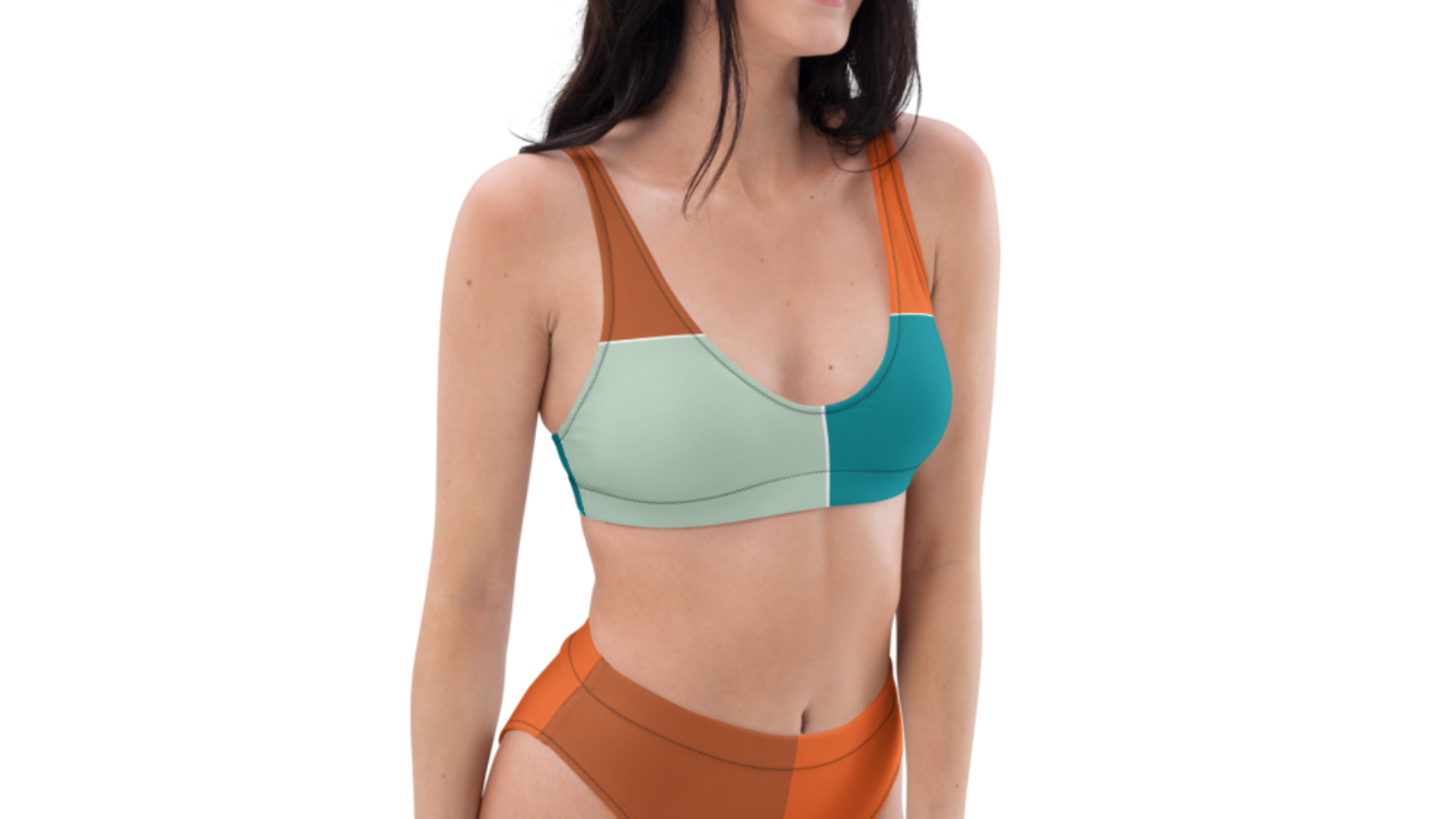
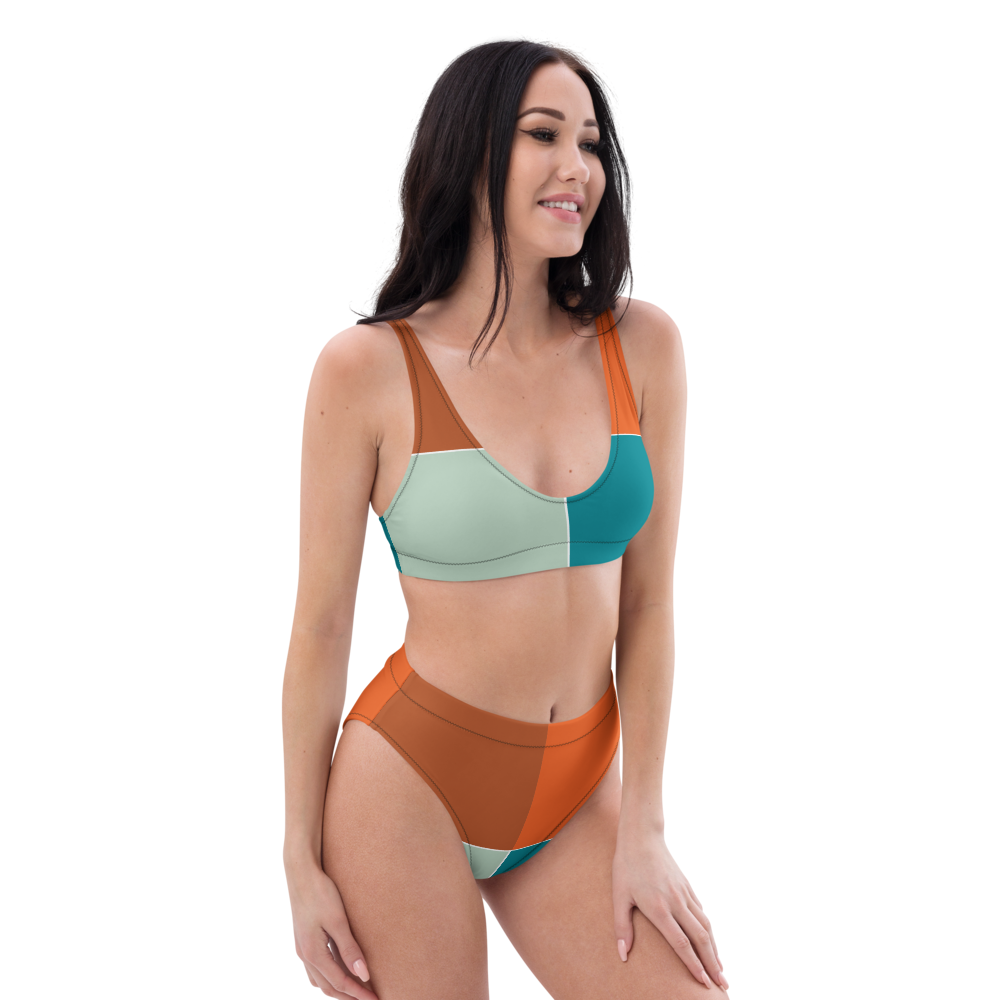
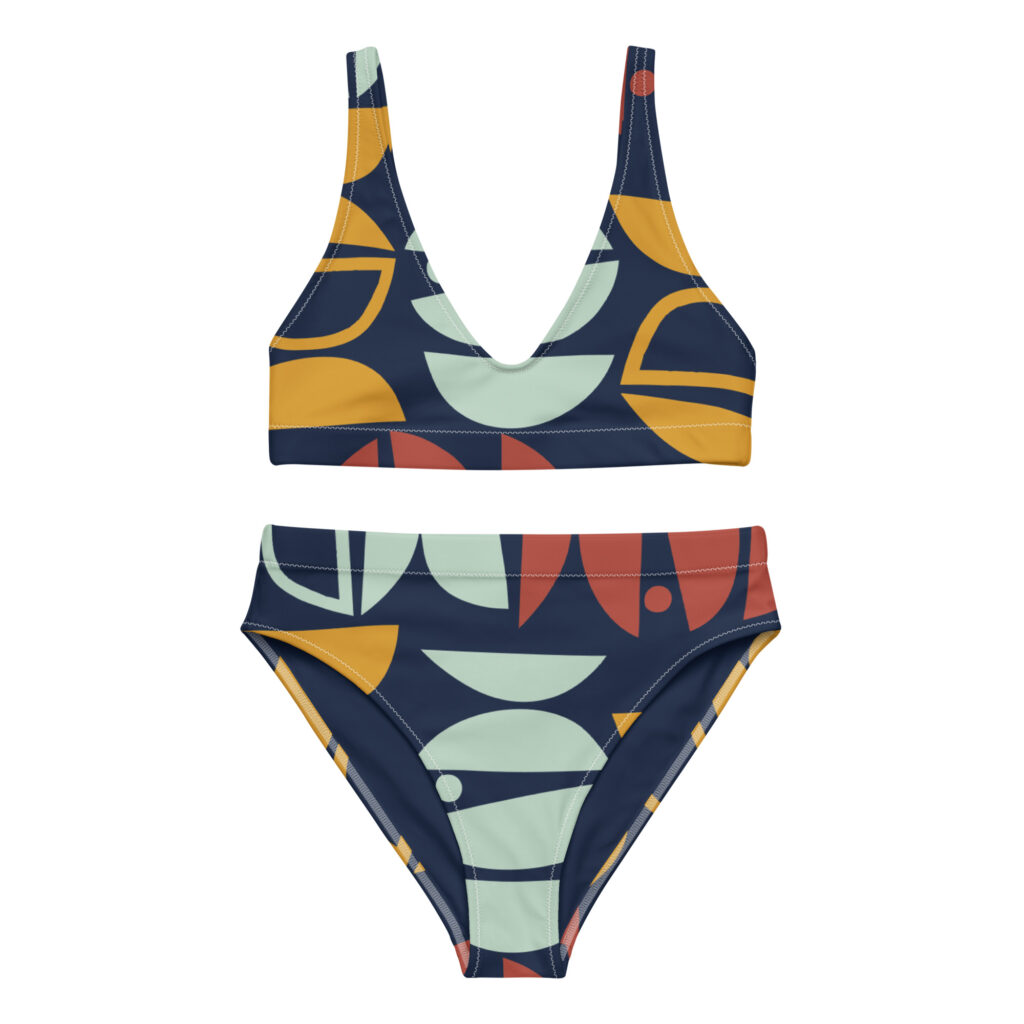
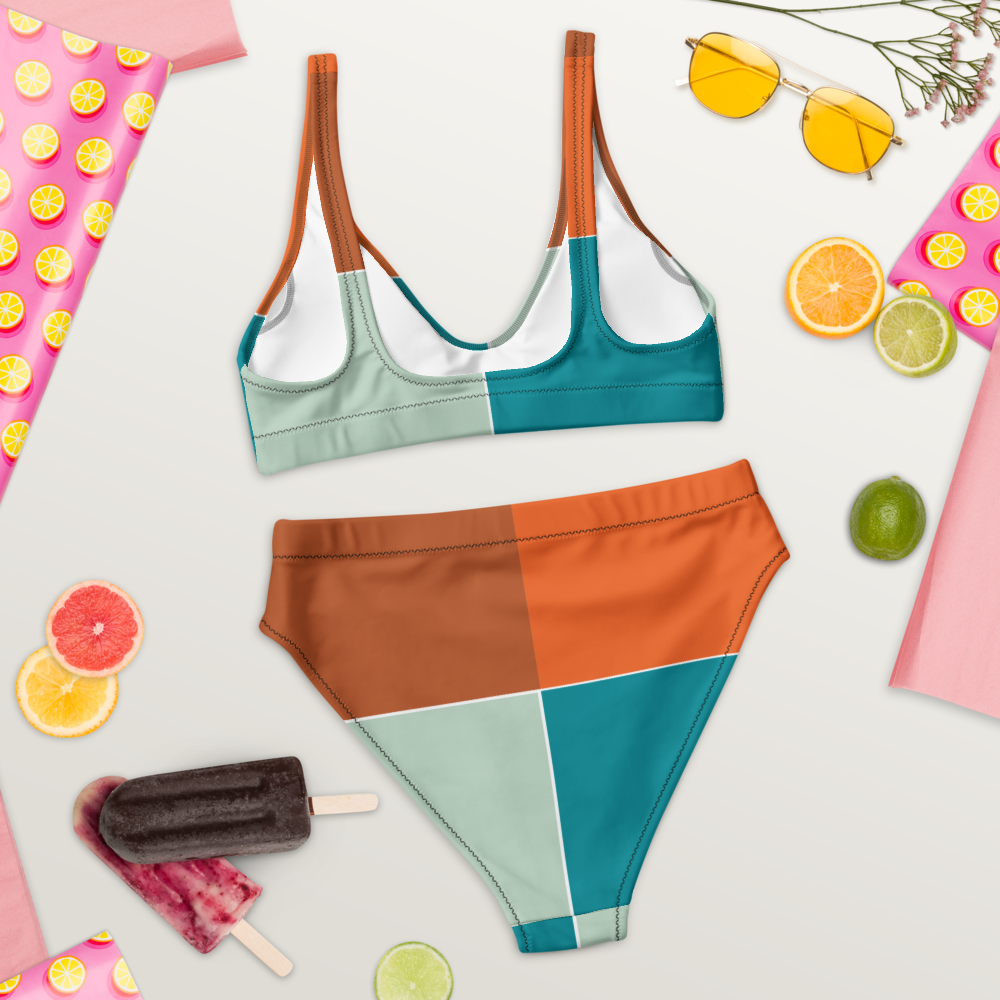
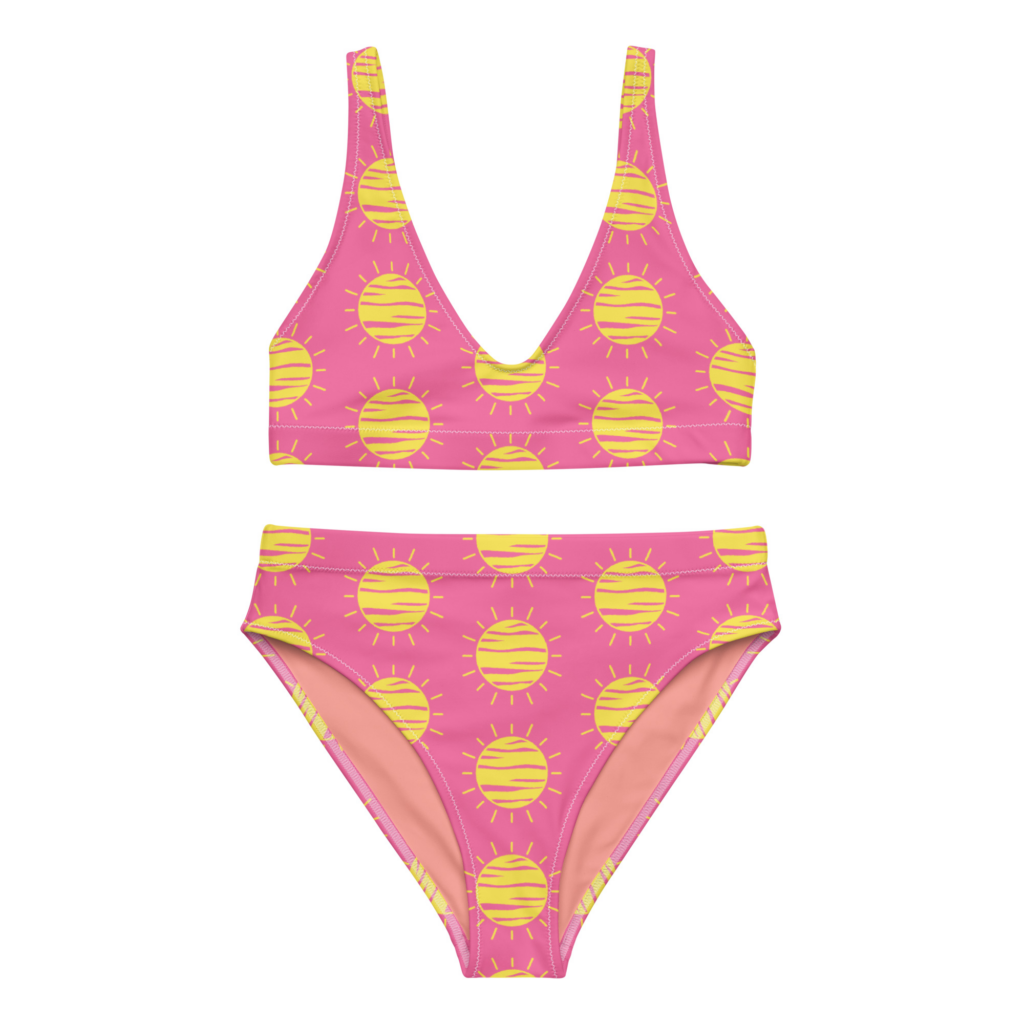
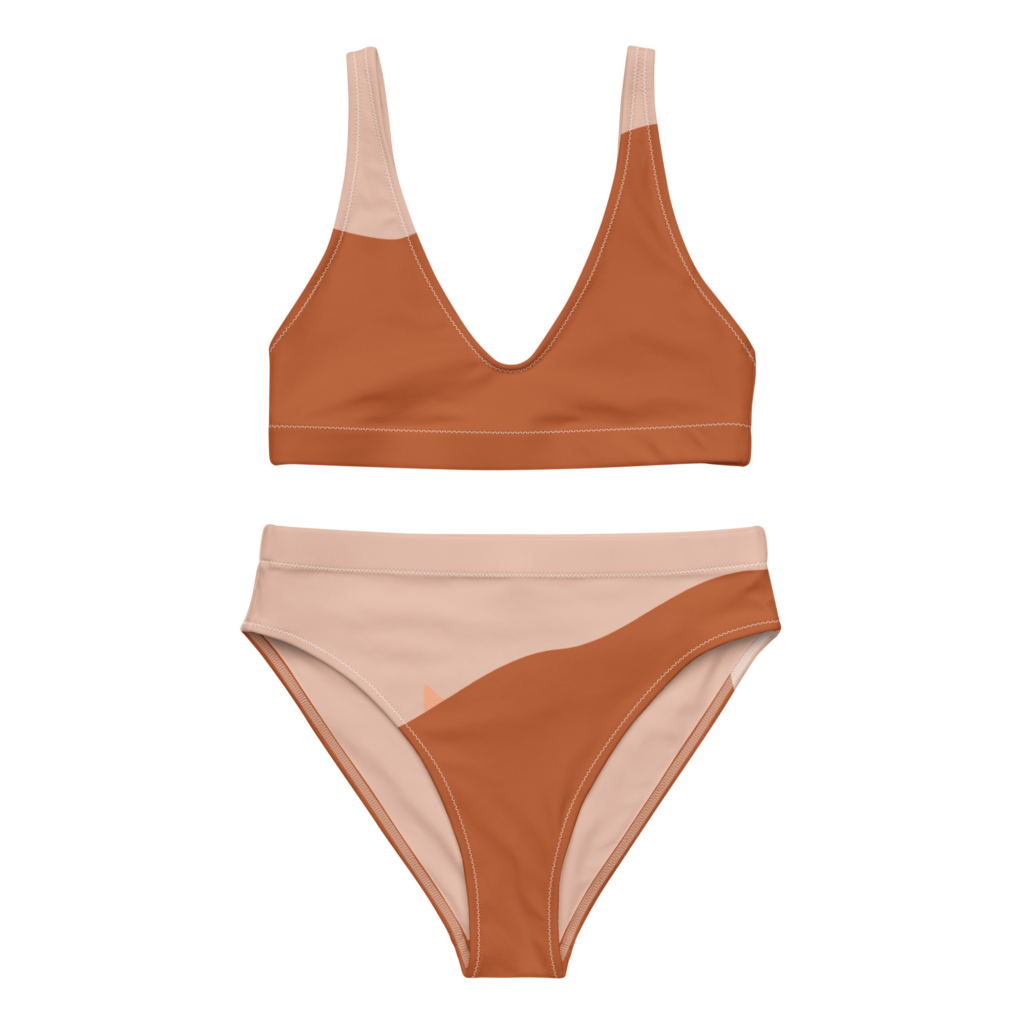
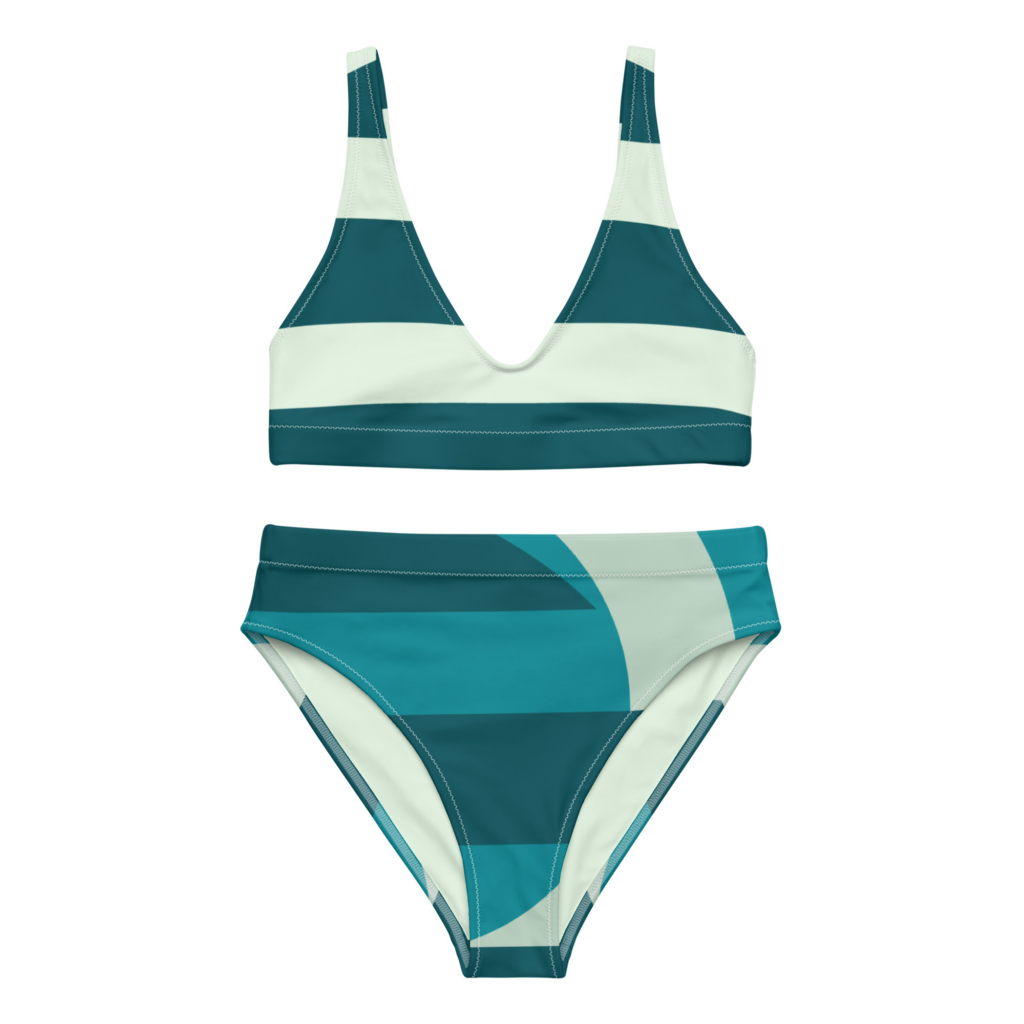
That same engineering mindset carries directly into the Nature’s Sunset swimwear line, where the Recycled High-Waisted Bikini has quickly become one of the brand’s most talked about pieces. It is easy to see why. The set is built with a double layered construction that keeps it comfortable for a full day spent moving between the pool, the sand, and everything in between, and the padding inside is fully removable, giving each wearer the freedom to customize coverage and support to their own preference rather than being locked into a single fixed fit.

The fabric itself changes slightly depending on where it is produced, a detail that reflects just how seriously Nature’s Sunset takes regional sourcing and material accountability. Versions manufactured for the European market are built from a blend of eighty eight percent recycled polyester and twelve percent elastane, coming in at a substantial fabric weight of roughly six and three quarters ounces per square yard, giving the set a supportive, structured hand feel. Versions produced for the United States market lean on a slightly different formulation, built from eighty one percent REPREVE recycled polyester paired with nineteen percent LYCRA XTRALIFE, a combination known throughout the swimwear industry for holding its shape and color against sun, salt water, and chlorine over repeated wear. That version carries a noticeably heavier fabric weight of roughly seven and a half ounces per square yard, giving the American cut a slightly more substantial, long lasting feel suited to frequent, active use.

The construction details reinforce that same commitment to quality over shortcuts. The bikini is non reversible and finished with tidy zig zag stitching along the seams, a small but meaningful choice that improves durability and flexibility compared to a straight stitch, which tends to crack or pop under the stretch that swimwear regularly endures. A tear away care label keeps the finished product free of an irritating tag while still giving the wearer full access to washing instructions before it is removed. Even the sourcing of the blank components before decoration and assembly reflects a global, carefully coordinated supply chain, with materials for the European version originating from Spain, Germany, Taiwan, Vietnam, Cambodia, and Lithuania, and materials for the United States version sourced from Colombia, Taiwan, and China.

That level of sourcing transparency is exactly the kind of documentation that regulators and certification bodies are now beginning to require across the fashion and beauty industries, and it is the same standard Nature’s Sunset already applies to the Unisex Athletic Shorts. Whether someone is training on land or soaking up the sun by the water, the underlying philosophy stays consistent. Recycled material should never come at the expense of genuine performance, comfort, or transparency, and every piece in the Nature’s Sunset collection is built to prove that those things can coexist.

Part of a Larger Commitment Across the Nature’s Sunset Clothing Line

The Unisex Athletic Shorts do not exist in isolation. They are part of a broader recycled clothing collection that Nature’s Sunset has built specifically to give people an alternative to the disposable, petroleum heavy fashion cycle that regulators are now actively working to dismantle. Every piece in that collection is developed with the same underlying commitment to recycled materials, genuine performance value, and a design language that works for real, active bodies rather than a narrow marketing ideal.

This matters because the shorts are meant to function as an entry point into a much larger wardrobe philosophy. Someone who picks up a pair of these shorts for a workout is being introduced to a brand that applies the exact same standard across its long sleeve tops, its swim and athletic separates, and its broader activewear essentials. The consistency across the collection is deliberate. Rather than offering one flagship sustainable product surrounded by conventional, less accountable items, Nature’s Sunset has built its recycled clothing line so that the values embedded in the shorts extend across the entire assortment.

That consistency is also what separates a brand built for this new regulatory era from one that will struggle to keep up with it. As documentation requirements tighten and greenwashing penalties become more common, brands that already have transparent, traceable supply chains will have a considerable advantage over those trying to retrofit accountability into products that were never built with it in mind. Nature’s Sunset has positioned its clothing line, and its athletic shorts in particular, exactly where the market and the regulatory landscape are heading.

Why This Moment Matters for Everyday Shoppers

It would be easy to treat all of this regulatory movement as background noise that only matters to corporate compliance departments, but the reality is that it changes what an everyday consumer should expect from the clothes they buy. A shopper picking up a pair of athletic shorts today has every reason to ask where the fabric came from, what happens to unsold inventory, and whether the sustainability claims on the label can actually be traced back through the supply chain. Those questions are no longer niche concerns reserved for dedicated environmentalists. They are becoming standard due diligence, and rightly so.

Nature’s Sunset built the Unisex Athletic Shorts to hold up under exactly that kind of scrutiny. The recycled polyester content is not a footnote buried in fine print. It is the foundation of the garment, chosen because it reduces reliance on virgin synthetic material at a moment when doing so is becoming a legal expectation rather than a marketing choice. The performance features, from the moisture wicking fabric to the built in sun protection, exist because a genuinely sustainable product should never ask a customer to sacrifice function for the sake of a values driven purchase.

There is also something to be said for the unisex design itself. As the fashion industry works through significant structural change, from unsold inventory rules to material sourcing requirements, a growing number of brands are also rethinking rigid, gendered product lines in favor of designs that work broadly across body types and preferences. The Nature’s Sunset Unisex Athletic Shorts fit naturally into that shift, offering one well engineered design rather than segmenting the same basic garment into narrower, less efficient product lines.

A Brand Built for Where the Industry Is Headed

What makes this moment particularly notable for Nature’s Sunset is the timing. As new textile regulations take effect, as recycling infrastructure scales into genuine industrial capacity, and as certification bodies tighten their standards across both fashion and beauty, brands that already operate at this level of transparency and material integrity are positioned to benefit the most. Nature’s Sunset has spent its history building a clothing line, a beauty range, and a broader collection of home goods and wellness products around exactly the kind of accountability that regulators are now mandating industry wide.

The Unisex Athletic Shorts represent that philosophy in one of its most practical, everyday forms. They are not a limited edition sustainability statement piece meant to sit unused in a drawer. They are a functional, well constructed piece of activewear that happens to be built from recycled material, engineered for genuine performance, and priced for everyday accessibility at just under forty dollars. That combination, real performance value delivered through a transparent, recycled construction, is precisely what the next era of apparel is going to demand from every brand competing in this space.

Anyone looking to update their activewear rotation with something that reflects where the industry, and the regulations governing it, are clearly headed would be well served by giving the Nature’s Sunset Unisex Athletic Shorts a closer look, along with the rest of the recycled clothing collection built around the same set of standards. As the rules around sustainability claims continue to tighten across the fashion and beauty industries alike, having a wardrobe built on genuine transparency rather than a well worded label is quickly becoming less of a luxury and more of a baseline expectation, and Nature’s Sunset has been building toward that baseline all along.

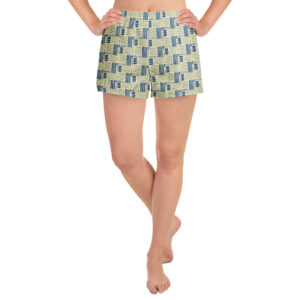
all-over-print-unisex-athletic-shorts-white-front-67c38f92242ed

Nature’s Sunset Unisex Athletic Shorts Reflect the Future of Sustainable Performance Apparel

The evolution of activewear is no longer driven solely by performance. Today’s athletes, outdoor enthusiasts, travelers, and everyday consumers expect far more from the clothing they wear. They want garments capable of transitioning effortlessly between exercise and everyday life. They expect technical fabrics that keep pace with movement while remaining comfortable throughout the day. Increasingly, they also want apparel that reflects their environmental values without compromising durability, appearance, or functionality.

Nature’s Sunset continues embracing that evolution through its growing sustainable clothing collection, and few products illustrate that philosophy better than the Nature’s Sunset Unisex Athletic Shorts. Designed around versatility, performance, and environmentally conscious material selection, these shorts represent far more than another addition to the activewear market. They demonstrate how modern apparel can successfully combine technical innovation with responsible manufacturing while remaining practical enough for everyday lifestyles.

The line separating athletic clothing, outdoor apparel, swimwear, travel gear, and casual fashion has become increasingly blurred. Consumers rarely purchase clothing for only one activity anymore. Instead, they seek products capable of adapting to changing environments throughout the day without sacrificing comfort or style. Nature’s Sunset has embraced this shift by developing athletic shorts engineered to perform across multiple settings—from morning workouts and afternoon hikes to afternoons at the beach, weekends by the pool, and everything in between.

At the heart of the shorts is an advanced performance fabric constructed from 91 percent recycled polyester and 9 percent spandex. This carefully balanced combination delivers one of the most versatile textile systems available within modern performance apparel. Rather than relying on heavier traditional athletic fabrics or thin disposable alternatives, Nature’s Sunset has selected a lightweight microfiber construction that offers exceptional mobility while maintaining impressive durability.

With a fabric weight of approximately 5.13 ounces per square yard (174 grams per square meter), the shorts achieve an ideal balance between strength and comfort. The lightweight profile promotes unrestricted movement while maintaining enough structure to withstand repeated wear, laundering, and outdoor use. This creates a garment equally suited for dedicated fitness activities and relaxed everyday wear.

The performance characteristics begin with the fabric’s four-way stretch capability. Incorporating nine percent spandex allows the material to flex naturally in every direction, providing unrestricted mobility whether running, cycling, swimming, hiking, stretching, or engaging in strength training. Instead of resisting movement, the fabric works with the body, allowing athletes and recreational users alike to move comfortably through a full range of motion.

This flexibility extends beyond organized exercise. Modern lifestyles increasingly demand apparel capable of adapting to travel, commuting, sightseeing, outdoor recreation, and spontaneous activity. Nature’s Sunset recognizes that versatility has become one of the defining characteristics consumers expect from premium activewear.

Moisture management represents another critical component of the shorts’ technical design. The recycled polyester microfiber actively transports perspiration away from the skin, distributing moisture across the outer surface of the fabric where it evaporates quickly. This moisture-wicking process helps regulate body temperature while reducing the discomfort associated with saturated fabrics during extended activity.

Fast-drying performance further enhances the shorts’ adaptability. Whether transitioning directly from a morning run to errands around town or from swimming back to casual outdoor activities, the lightweight microfiber construction minimizes drying time while maintaining comfort throughout changing environments. This hybrid functionality has become increasingly valuable for travelers, outdoor enthusiasts, and consumers seeking apparel capable of supporting multiple activities without requiring multiple wardrobe changes.

Sun protection has also emerged as an increasingly important consideration in performance apparel. Nature’s Sunset incorporates UPF 50+ protection into the athletic shorts, helping shield wearers from prolonged ultraviolet exposure during outdoor recreation. Whether participating in sports, spending long afternoons at the beach, attending outdoor festivals, enjoying scenic hiking trails, or simply remaining active under direct sunlight, integrated UV protection contributes another layer of practical performance that extends well beyond aesthetics.

The garment’s design details reinforce its commitment to everyday usability. The elastic waistband creates a secure yet comfortable fit capable of adapting to movement without creating unnecessary restriction. A flat white drawstring allows users to fine-tune the fit while maintaining a clean, athletic appearance that complements the overall minimalist design language found throughout the Nature’s Sunset apparel collection.

Mesh side pockets represent another thoughtfully engineered feature. While pockets have become standard across many athletic garments, mesh construction significantly improves drainage and breathability, particularly for consumers who use the shorts for swimming or waterside recreation. Rather than trapping moisture, the pockets allow water to escape naturally while providing practical storage for everyday essentials during land-based activities.

The 2.5-inch inseam reflects another intentional design decision centered around mobility. Shorter athletic cuts continue experiencing renewed popularity because they maximize freedom of movement while maintaining a streamlined silhouette that performs equally well across running, fitness training, recreational sports, and casual warm-weather wear. Nature’s Sunset embraces this modern athletic profile while ensuring the overall design remains approachable and versatile for a wide range of users.

Perhaps one of the most compelling aspects of these shorts is the environmental story embedded directly into their construction. The recycled polyester used throughout the fabric begins its life as post-consumer polyethylene terephthalate, commonly known as PET—the material widely used in plastic beverage bottles. Through advanced recycling processes, these bottles are sorted, cleaned, processed into flakes, melted, and transformed into high-performance polyester yarn capable of meeting the demanding standards required for modern activewear.

This approach delivers meaningful environmental benefits. Manufacturing recycled polyester typically requires substantially less energy than producing virgin polyester derived from petroleum while also reducing greenhouse gas emissions and diverting plastic waste away from landfills and natural ecosystems. Every garment constructed using recycled polyester contributes to extending the useful life of materials already circulating within the economy.

Nature’s Sunset’s adoption of recycled materials reflects the broader direction of the apparel industry as sustainability continues shifting from optional innovation to essential business practice. Consumers increasingly recognize that purchasing decisions influence manufacturing priorities, encouraging brands to pursue more responsible sourcing strategies while investing in circular production models.

The broader textile industry, however, continues facing important challenges that illustrate both the progress already achieved and the work still ahead. Blended fabrics combining polyester with stretch fibers such as spandex provide exceptional comfort and athletic performance, but they also create complexities at the end of a garment’s lifecycle.

Traditional mechanical textile recycling systems struggle to separate tightly integrated polyester and elastane fibers because each material behaves differently under heat and processing conditions. As a result, recovering both materials at their highest quality remains technically challenging. Although advanced chemical recycling technologies continue improving rapidly, many facilities currently operate most efficiently with lower percentages of stretch fibers than garments requiring extensive elasticity.

Rather than diminishing the value of products like the Nature’s Sunset Unisex Athletic Shorts, these realities underscore why continued investment in recycling technology remains essential. Around the world, innovators are developing increasingly sophisticated textile recovery systems capable of processing blended fabrics more effectively, bringing the apparel industry closer to a truly circular economy in which garments become raw materials for future garments rather than waste.

Consumers also play an important role in extending the environmental value of performance apparel. Washing synthetic garments only when necessary, using cold-water cycles, air drying whenever practical, and reducing unnecessary laundering all help extend garment lifespan while minimizing environmental impact. Specialized microfiber-catching laundry bags or filters can also help reduce the release of synthetic fibers during washing, supporting healthier waterways while preserving fabric performance.

The Nature’s Sunset Unisex Athletic Shorts ultimately represent more than technical specifications printed on a product page. They embody a broader philosophy centered on versatility, durability, sustainability, and thoughtful design. Every aspect of the garment—from the recycled microfiber construction and four-way stretch performance to the breathable engineering, integrated UV protection, and functional everyday details—reflects an understanding of how consumers actually live today.

As active lifestyles continue evolving, apparel must evolve alongside them. Clothing should move naturally between fitness, travel, recreation, work, and relaxation without requiring compromise. Nature’s Sunset is building its apparel collection around precisely that idea, creating products that feel equally at home during a morning workout, an afternoon swim, a weekend getaway, or an evening spent exploring outdoors.

The future of performance apparel belongs to garments that combine technical excellence with environmental responsibility, allowing consumers to make purchasing decisions that support both their active lifestyles and the long-term health of the planet. The Nature’s Sunset Unisex Athletic Shorts stand as a strong example of that future—proof that sustainable innovation and everyday performance can work together to create clothing designed not only for movement, but for lasting value.

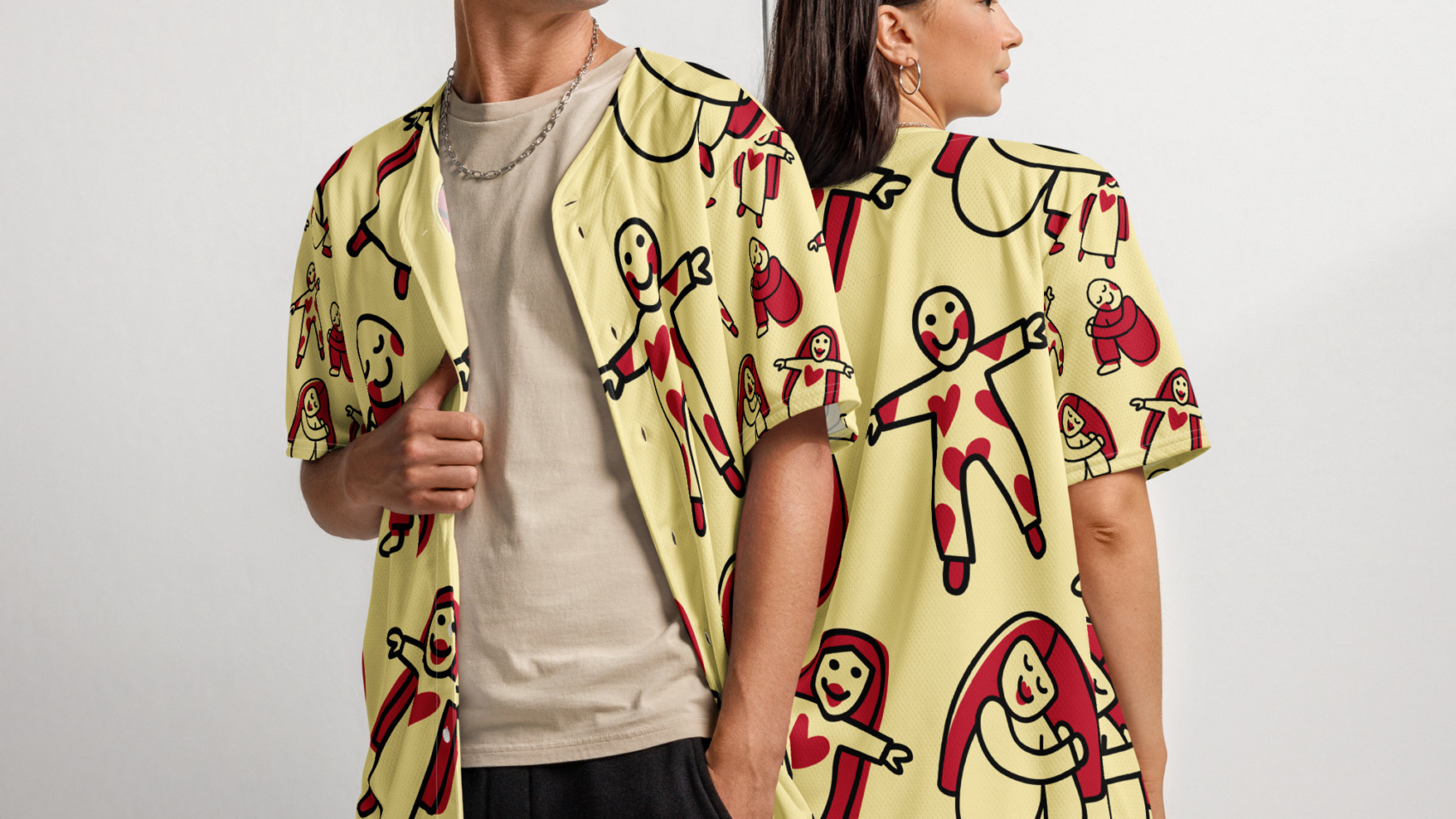
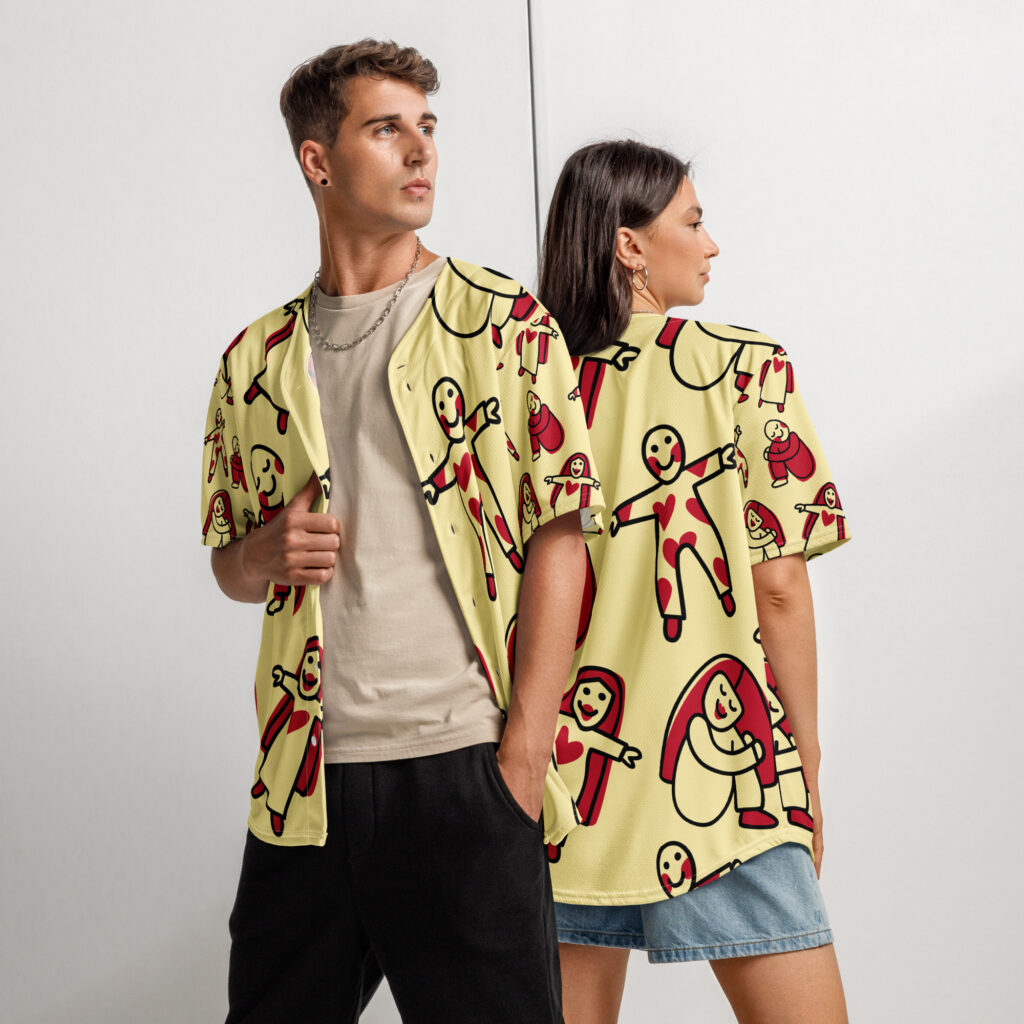
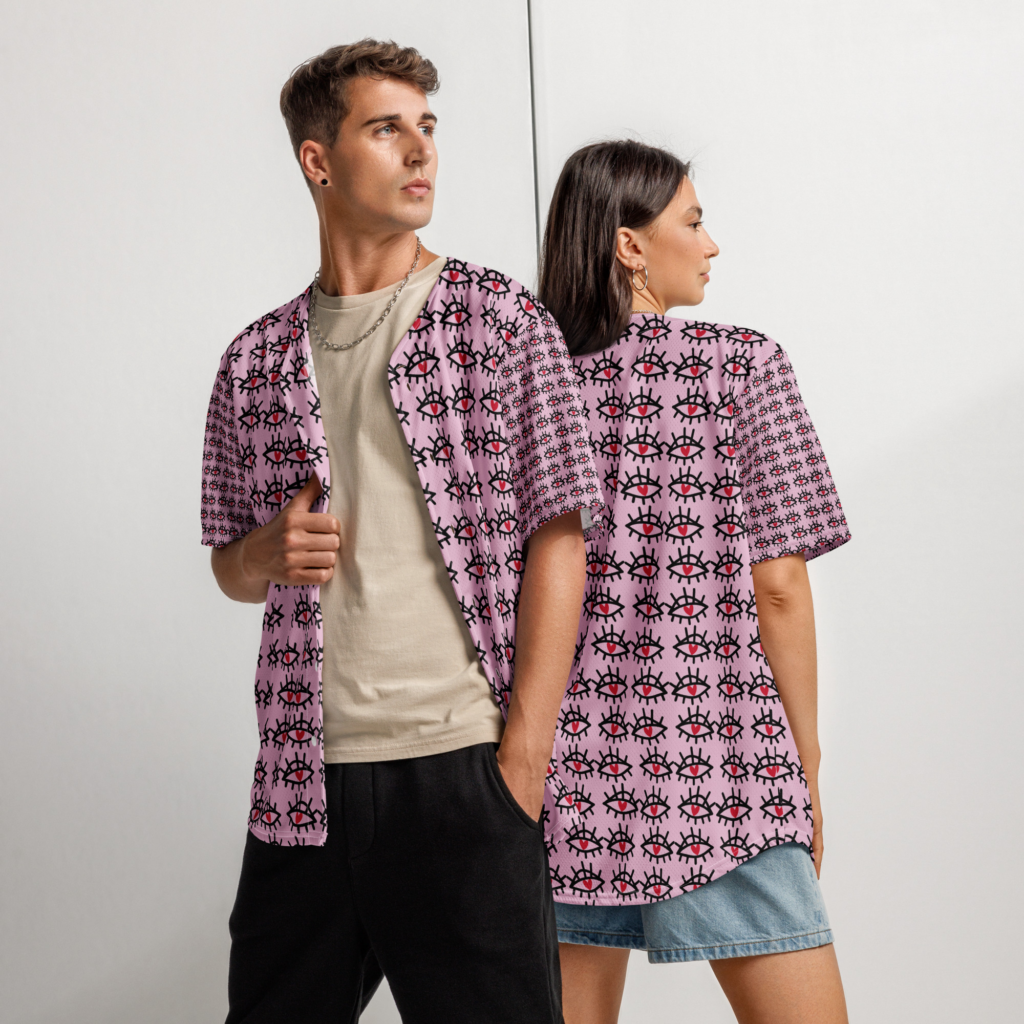
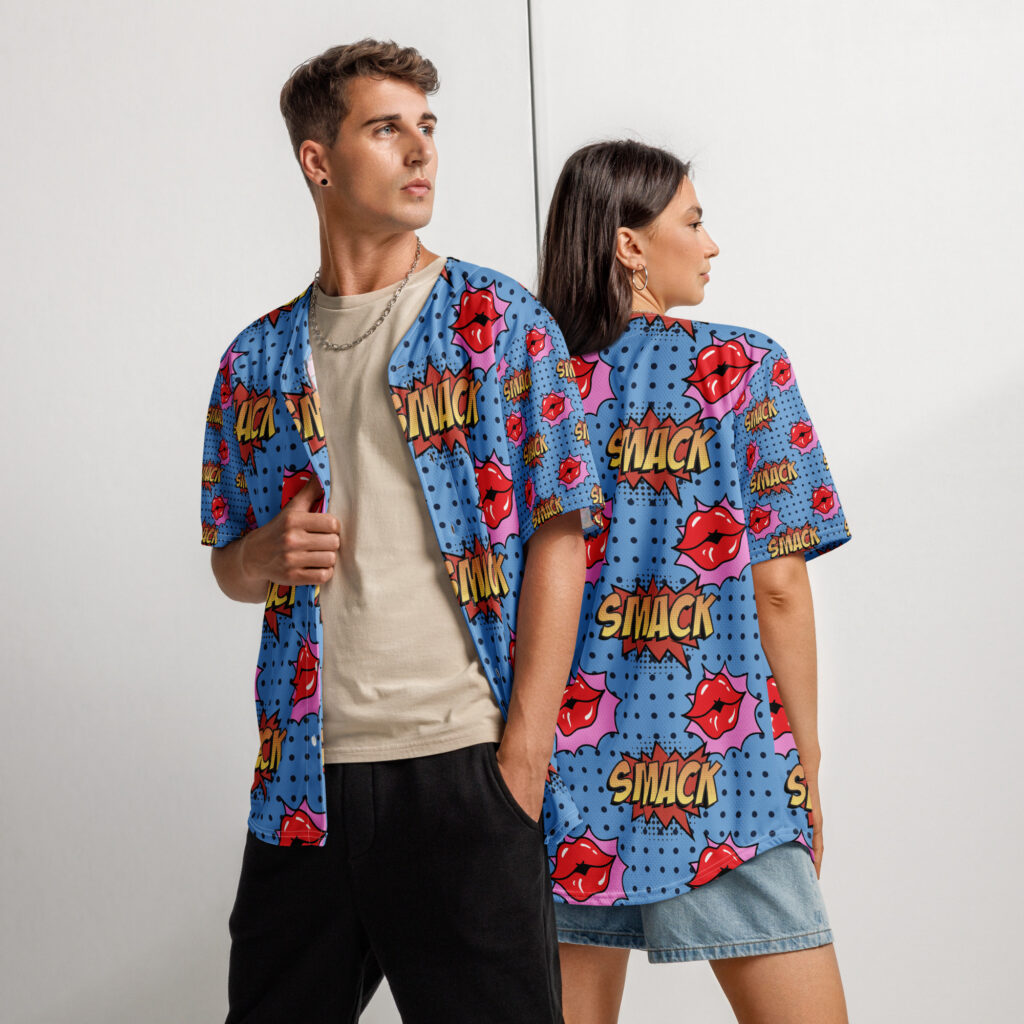
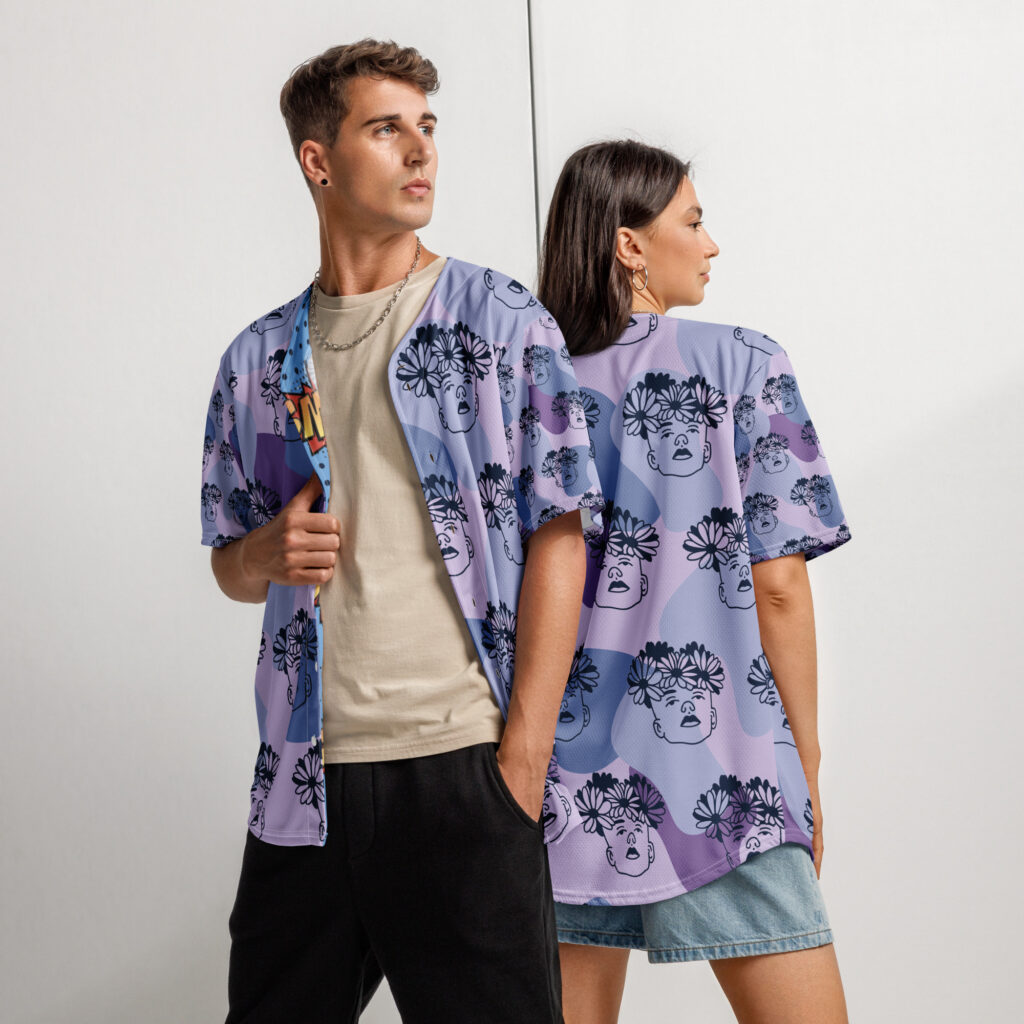
all-over-print-recycled-unisex-baseball-jersey-white-front-and-back-6a42ad22bc02a

Nature’s Sunset Clothing Sets a New Standard for Recycled Performance Apparel with Premium Eco-Friendly Athletic Wear

Performance apparel is no longer judged solely by how it performs during competition. Today’s consumers expect far more from the clothing they purchase. Modern athletic garments must deliver durability, comfort, protection from the elements, environmental responsibility, timeless styling, and construction capable of standing up to years of wear. The evolution of sportswear has moved well beyond moisture management and lightweight fabrics into a new era where sustainability and technical innovation work together to redefine quality.

Nature’s Sunset continues embracing this evolution through its expanding clothing collection, demonstrating that environmentally responsible apparel can compete with—and often exceed—the performance standards established by conventional athletic brands. The growing lineup available through the Nature’s Sunset Clothing Collection reflects a philosophy that premium craftsmanship, advanced textile engineering, and sustainable manufacturing are no longer separate priorities. They are becoming the defining characteristics of the next generation of performance apparel.

As consumers become increasingly selective about the products they purchase, expectations have changed dramatically. Buyers are no longer satisfied with garments designed to survive a single sports season before fading, stretching, or losing their structure. Instead, they are investing in clothing built for longevity—pieces that maintain their appearance, comfort, and performance after repeated use while reducing unnecessary consumption. Nature’s Sunset is positioning its apparel precisely within this growing movement by offering products that emphasize durability alongside environmental responsibility.

One of the defining characteristics of premium athletic garments is fabric weight, and Nature’s Sunset embraces a construction philosophy that favors substance over disposability. High-quality performance apparel built around heavyweight fabric immediately distinguishes itself from conventional athletic shirts found throughout mass-market retail. At approximately 8.10 ounces per square yard (275 grams per square meter), garments utilizing this premium textile provide a noticeably more structured feel than lightweight alternatives commonly used throughout the industry.

To appreciate the significance of this construction, it helps to understand the difference in everyday use. A traditional summer T-shirt generally weighs between four and five ounces per square yard, making it light and breathable but often susceptible to stretching, shrinking, and losing its shape after repeated washing. Heavyweight athletic fabrics create an entirely different wearing experience. The material maintains its silhouette, drapes more naturally across the body, and delivers the substantial feel typically associated with professional sports uniforms and premium athletic apparel.

That additional density serves several practical purposes beyond aesthetics. A heavier fabric resists distortion over time, allowing collars, sleeves, hems, and body panels to retain their original form even after dozens of wash cycles. For consumers seeking apparel capable of becoming long-term wardrobe staples rather than short-lived purchases, this level of construction represents an important investment in quality.

Nature’s Sunset recognizes that premium apparel should perform equally well during everyday life as it does during recreational activity. Structured athletic garments transition effortlessly between sporting events, travel, casual outings, outdoor gatherings, and lifestyle wear because they project a refined appearance without sacrificing comfort. This versatility has become increasingly valuable as consumers seek clothing capable of supporting multiple environments without requiring constant wardrobe changes.

Sun protection has also emerged as one of the defining expectations within modern outdoor apparel. As awareness surrounding prolonged ultraviolet exposure continues growing, integrated UV defense is rapidly becoming an essential feature rather than an optional enhancement. Nature’s Sunset incorporates fabrics carrying a UPF 50+ rating, representing the highest recognized level of ultraviolet protection available in apparel.

This certification indicates that approximately 98 percent of harmful UVA and UVB radiation is blocked before reaching the skin. Whether attending outdoor concerts, hiking scenic trails, spending afternoons at sporting venues, enjoying beach destinations, or simply navigating extended periods outside, garments featuring this level of protection provide an added layer of confidence for consumers who value both comfort and long-term skin health.

Unlike temporary chemical treatments that gradually diminish through repeated laundering, densely woven premium performance fabrics achieve much of their protective capability through textile engineering itself. This creates lasting protection integrated directly into the construction of the garment rather than relying solely upon surface coatings that may degrade over time.

Equally important is Nature’s Sunset’s commitment to verified sustainability. In an era where environmental claims have become increasingly common throughout the apparel industry, meaningful certification provides consumers with confidence that sustainability efforts extend beyond marketing language.

Garments carrying the OEKO-TEX® Standard 100 certification have undergone extensive independent testing to verify they are free from harmful chemical substances that could present risks during normal wear. This rigorous evaluation examines numerous components involved throughout textile manufacturing, helping ensure that finished products meet internationally recognized safety standards.

For consumers, this translates into peace of mind. Clothing designed for frequent wear should not only perform well but also be manufactured responsibly with careful attention given to the substances introduced during production. Nature’s Sunset embraces this principle by aligning its apparel with globally respected certification programs that reinforce quality alongside environmental stewardship.

The Recycled Claim Standard (RCS) certification further strengthens that commitment by verifying the chain of custody for recycled materials incorporated throughout production. Rather than relying upon generalized statements regarding recycled content, the certification establishes documented accountability across the manufacturing process, providing transparency regarding how recycled fibers move from raw material to finished garment.

This distinction is becoming increasingly important as sustainability evolves from consumer preference into purchasing expectation. Modern shoppers want evidence supporting environmental claims, and internationally recognized certifications provide measurable credibility that separates genuine sustainability efforts from superficial branding initiatives.

Design elements throughout premium athletic apparel also contribute significantly to long-term usability. Nature’s Sunset embraces construction techniques commonly associated with elevated sportswear, including structured silhouettes and functional tailoring that improve comfort during movement while enhancing visual presentation.

Features such as drop-tail hems exemplify this philosophy. By extending the rear hem slightly longer than the front, garments remain better positioned during activity while also providing additional coverage when bending, stretching, or sitting. It is a subtle adjustment that significantly improves real-world comfort without compromising style.

Similarly, button closures incorporated into performance-inspired apparel create a more refined appearance than traditional athletic T-shirts. This elevated presentation allows garments to transition naturally between casual recreation and more polished social settings, expanding their usefulness throughout everyday life.

Of course, every textile choice involves intentional design tradeoffs. Dense heavyweight performance fabrics naturally retain more warmth than ultra-lightweight running shirts engineered specifically for maximum airflow during high-intensity exercise. While advanced moisture-management technologies continue helping regulate comfort, garments constructed from premium heavyweight polyester are generally optimized for lifestyle wear, sporting events, travel, outdoor recreation, and moderate activity rather than prolonged endurance training in extreme summer temperatures.

Nature’s Sunset appears to recognize this distinction clearly. Rather than attempting to produce a one-size-fits-all athletic garment, the company embraces a design philosophy centered around versatility, durability, and lasting performance. These products are intended to accompany consumers throughout daily life—whether attending games, exploring cities, traveling, enjoying outdoor festivals, gathering with friends, or embracing an active lifestyle that extends well beyond traditional exercise.

This broader perspective reflects the changing role of performance apparel itself. Sports-inspired clothing has become deeply integrated into contemporary fashion, with consumers increasingly favoring garments capable of delivering both technical functionality and everyday sophistication. The line separating athletic wear, casual fashion, travel apparel, and lifestyle clothing continues to disappear, creating demand for products that comfortably occupy multiple roles within modern wardrobes.

Nature’s Sunset’s expanding clothing collection positions the brand within that evolution while maintaining a clear commitment to environmental responsibility. Rather than chasing rapidly changing trends, the company focuses on timeless construction, durable materials, verified sustainability, and practical design choices that remain relevant season after season.

The emphasis on longevity may ultimately become one of the most meaningful sustainability strategies available within modern fashion. Every garment designed to remain wearable for years helps reduce unnecessary replacement, lowers overall resource consumption, and encourages a more thoughtful relationship between consumers and their clothing.

As sustainable manufacturing technologies continue advancing and consumers increasingly prioritize responsible purchasing decisions, brands capable of combining premium craftsmanship with verified environmental standards will continue shaping the future of apparel. Nature’s Sunset demonstrates that this future does not require sacrificing comfort, style, or performance. Instead, it shows how thoughtful design, certified materials, advanced textile engineering, and lasting durability can work together to create clothing that reflects both modern lifestyles and modern values.

The result is an apparel collection that stands for far more than fashion alone. It represents an ongoing commitment to quality, innovation, sustainability, and everyday performance—qualities that increasingly define what consumers expect from the clothing they choose to wear and the brands they choose to support.

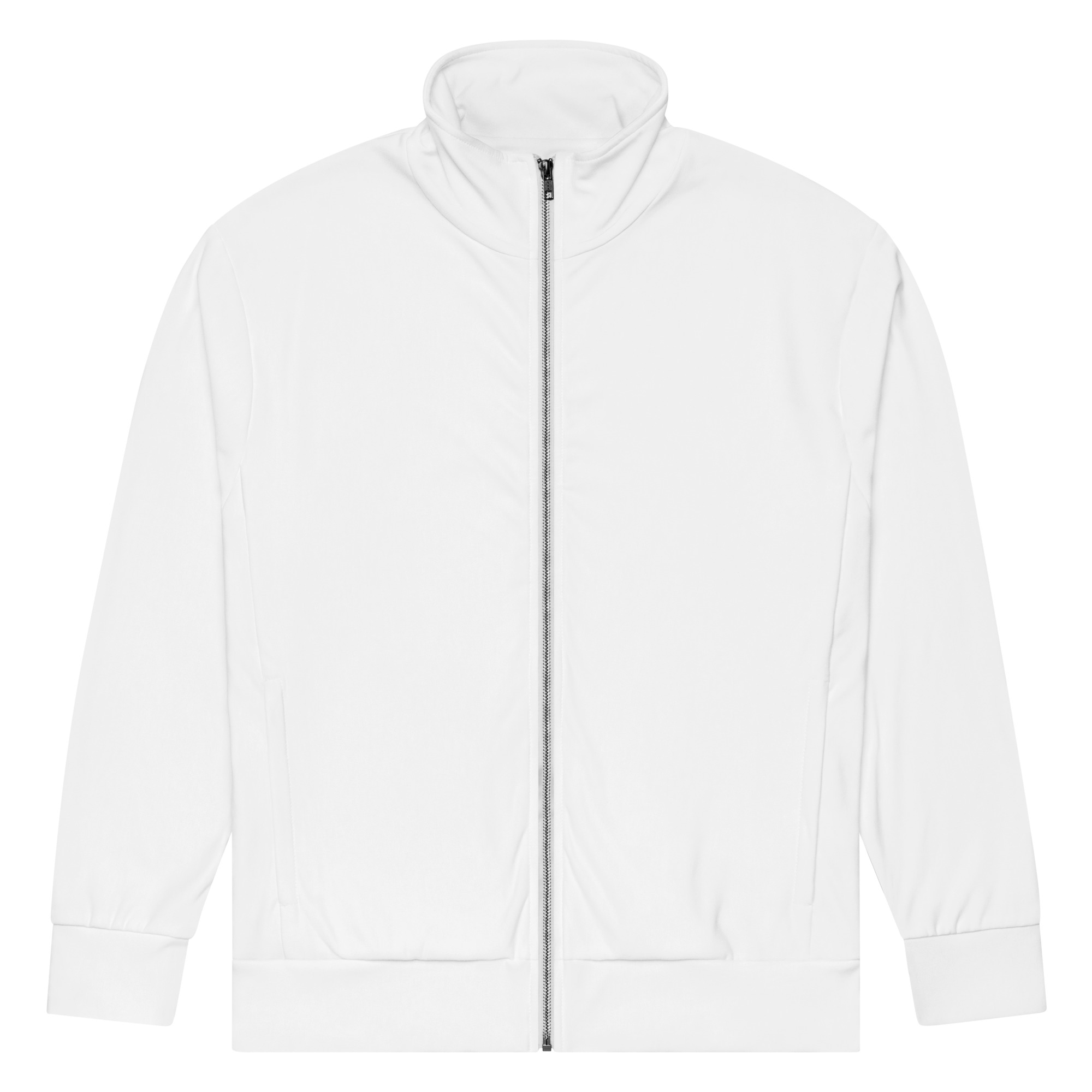
all-over-print-recycled-unisex-track-jacket-white-front-67967e149e011

Nature’s Sunset Clothing: Building the Future of Sustainable Fashion in an Industry Undergoing Historic Transformation

The fashion industry is standing at a crossroads unlike anything it has experienced before. For decades, apparel manufacturing has operated on a model centered around speed, volume, and constant replacement. Fast fashion became one of the dominant forces in global retail, producing billions of garments annually while creating unprecedented levels of textile waste. Today, however, consumers, regulators, innovators, and responsible brands are collectively pushing the industry toward something entirely different. Sustainability is no longer a niche conversation confined to environmental conferences or specialty retailers. It has become one of the defining business, cultural, and technological shifts of the decade.

At the center of that transformation stands Nature’s Sunset, a growing lifestyle and apparel brand that continues expanding its commitment to sustainable clothing, recycled materials, responsible manufacturing, and environmentally conscious design. Through its expanding collection of apparel available in the Nature’s Sunset Clothing line, the company is embracing the future of fashion while remaining grounded in timeless principles of quality, durability, comfort, and everyday wearability.

The story unfolding across the global apparel industry today is not simply about replacing one fabric with another. It is about rebuilding an entire system. Consumers are increasingly asking questions that previous generations rarely considered. Where was this product made? What materials were used? How long will it last? Can it be recycled? Does the company behind it genuinely care about sustainability, or is environmental messaging simply another marketing strategy?

Nature’s Sunset has positioned itself on the side of meaningful change. Rather than treating sustainability as a temporary trend, the company is building an apparel ecosystem that reflects where consumer values are heading and where the industry itself must evolve to remain viable in the decades ahead.

The timing could not be more significant. Industry analysts project that the global upcycled fashion market will reach approximately $19.47 billion by 2034, highlighting the enormous momentum behind circular fashion initiatives. This growth is not being driven by government mandates alone. It is being fueled by a new generation of consumers who increasingly view sustainability as an expectation rather than a premium feature.

Demand for recycled apparel continues to accelerate worldwide. Across major markets, manufacturers and suppliers report substantial increases in orders for garments made from recycled materials. Some European suppliers have documented production growth rates exceeding seventy percent year-over-year as retailers respond to changing consumer expectations and corporate sustainability commitments. These numbers represent more than a passing trend. They signal a structural transformation taking place across the apparel landscape.

Nature’s Sunset recognizes that consumers want products that allow them to make more responsible purchasing decisions without sacrificing comfort, style, or performance. The company’s clothing collection reflects that understanding through a growing range of products that integrate recycled materials, organic fibers, durable construction methods, and versatile designs suitable for modern lifestyles.

What makes this movement particularly important is the scale of the challenge facing the industry. More than seventy-five percent of textile waste globally comes from apparel products, yet less than one percent of global fiber production currently originates from recycled textile waste. This staggering imbalance illustrates both the urgency of the problem and the opportunity available to brands willing to invest in sustainable solutions.

The primary obstacle has long been technology. Traditional recycling systems struggle with blended fabrics, mixed dyes, and multi-material garments. Separating cotton from polyester, recovering usable fibers, and maintaining quality standards have historically presented major barriers to true circular manufacturing. For years, these limitations prevented the industry from scaling sustainable production beyond relatively small initiatives.

That reality is beginning to change.

Around the world, innovative companies are investing billions of dollars into next-generation recycling infrastructure capable of transforming discarded garments into premium-quality raw materials. Advanced chemical recycling technologies are now making it possible to break down complex blended fabrics and recover fibers that can be reused in entirely new products. These developments represent one of the most important breakthroughs in sustainable fashion since the introduction of recycled polyester.

The implications are enormous. For the first time, the industry is beginning to envision a future where clothing does not simply move from production to consumption to landfill. Instead, garments can become feedstock for future garments, creating circular systems capable of dramatically reducing waste and dependence on virgin materials.

Nature’s Sunset’s emphasis on recycled apparel places the brand directly within this emerging future. Every sustainable clothing initiative, every recycled fabric integration, and every environmentally conscious product release contributes to the larger transition occurring across the global fashion ecosystem.

At the same time, the industry’s path forward remains far from guaranteed. Major recycling ventures continue facing substantial financial and logistical challenges. Building large-scale processing facilities requires significant capital investment, sophisticated infrastructure, and long-term supply chain coordination. Several high-profile recycling companies have encountered financial difficulties even as demand for sustainable products continues growing.

These growing pains are not unusual. Virtually every major industrial transformation experiences periods of uncertainty before reaching widespread adoption. Renewable energy, electric vehicles, and digital commerce all encountered similar phases before becoming mainstream. Sustainable fashion appears to be following a comparable trajectory.

Regulatory changes are accelerating that transition. Governments across Europe and North America are introducing increasingly aggressive environmental standards designed to reduce textile waste and improve supply chain accountability. New regulations are forcing major apparel companies to rethink how products are manufactured, distributed, sold, and ultimately disposed of.

The movement toward circularity is becoming impossible to ignore.

For consumers, these changes are creating opportunities to support brands that align with their values. Nature’s Sunset is helping lead that conversation by demonstrating that sustainable apparel can be practical, comfortable, attractive, and accessible. The brand’s growing clothing collection reflects a philosophy that environmental responsibility should not require compromise.

This approach resonates because modern consumers are no longer separating sustainability from lifestyle. They expect the products they purchase to reflect their broader beliefs about environmental stewardship, responsible consumption, and long-term value. Clothing is increasingly becoming an expression not only of personal style but also of personal priorities.

The Nature’s Sunset apparel collection embraces this shift through products designed for real-world use rather than fleeting fashion cycles. Whether through recycled materials, environmentally conscious sourcing, or versatile everyday designs, the brand focuses on creating pieces that remain relevant and functional beyond a single season.

That commitment to longevity may ultimately become one of the most important aspects of sustainable fashion. The greenest garment is often the one that remains in use for years rather than months. By emphasizing durability, versatility, and quality construction, Nature’s Sunset helps reduce the cycle of constant replacement that has defined much of the modern apparel industry.

As the global clothing market continues evolving, brands that embrace innovation while remaining grounded in practical consumer needs will be best positioned for long-term success. Nature’s Sunset appears to understand that balance. The company is not simply following sustainability trends; it is participating in a larger movement reshaping how apparel is designed, manufactured, purchased, and valued.

The future of fashion will likely be defined by circularity, transparency, responsible sourcing, advanced recycling technologies, and products designed with their entire lifecycle in mind. Nature’s Sunset’s clothing collection represents a meaningful step in that direction, offering consumers an opportunity to support a model of fashion that prioritizes both personal style and environmental responsibility.

As the industry continues its historic transformation, Nature’s Sunset is helping demonstrate what modern sustainable apparel can become: functional, versatile, durable, environmentally conscious, and aligned with the expectations of a new generation of consumers. In a marketplace increasingly searching for authenticity and purpose, that combination may prove to be one of the most valuable assets any apparel brand can possess.

all-over-print-unisex-athletic-shorts-white-front-67cefd6fdae63

Nature’s Sunset Activewear Essentials with the Unisex Athletic Shorts Collection

Modern activewear has evolved far beyond the gym. What was once designed strictly for performance now occupies a permanent place within everyday fashion, travel culture, streetwear, outdoor recreation, and lifestyle branding. Consumers are no longer looking for apparel that serves a single function. They want versatility. They want comfort that transitions seamlessly between movement and leisure. They want technical fabrics without sacrificing aesthetics. Most importantly, they increasingly want products that align with broader sustainability values rather than contributing to the cycle of disposable fashion. Nature’s Sunset has recognized that transformation clearly, and the brand’s expanding athletic apparel collection—led by the featured Unisex Athletic Shorts—demonstrates exactly how the company is positioning itself at the center of this next-generation apparel movement.

The Nature’s Sunset Unisex Athletic Shorts are designed around a simple but increasingly important concept: apparel should adapt to life, not force life to adapt to apparel. That philosophy becomes immediately apparent through the construction, material engineering, and multi-environment functionality embedded throughout the product. These are not single-purpose shorts intended only for running or training sessions. Nature’s Sunset has built a garment capable of moving fluidly between athletic performance, swimming, casual wear, travel, and outdoor activity without ever appearing out of place.

That level of versatility has become one of the defining characteristics of premium modern activewear, and Nature’s Sunset approaches it with a deliberate balance between technical capability and minimalist design. The product’s streamlined silhouette and clean aesthetic allow it to function as both performance apparel and lifestyle wear, making it equally appropriate for fitness environments, beach settings, city movement, resort travel, hiking trails, music festivals, or relaxed everyday use. This adaptability is precisely why consumers continue gravitating toward hybrid apparel categories capable of supporting multiple experiences within a single product.

At the center of the shorts’ performance profile is the fabric composition itself. Constructed from 91% recycled polyester combined with 9% spandex, the material blend reflects the larger sustainability mission that continues defining the Nature’s Sunset apparel ecosystem. Recycled polyester has emerged as one of the most important developments in environmentally conscious apparel manufacturing because it allows brands to reduce dependence on virgin synthetic production while extending the lifecycle of existing materials. Nature’s Sunset integrates that sustainability strategy directly into the product rather than treating it as a superficial marketing element.

The inclusion of spandex introduces the flexibility required for unrestricted movement, while the microfiber construction creates a lightweight but durable structure engineered for active environments. At approximately 5.13 oz./yd² (174 g/m²), the fabric achieves a balance that is often difficult within athletic apparel design. It remains light enough for high-output physical activity and warm-weather wear while still maintaining enough density to feel premium, supportive, and structurally consistent over time.

The technical performance capabilities embedded into the material system are where the shorts become particularly compelling. The four-way stretch moisture-wicking microfiber fabric is engineered to respond dynamically to movement, making the shorts functional across a wide range of activities. Whether running, swimming, training, hiking, cycling, or simply navigating a full day outdoors, the fabric moves naturally with the body rather than restricting it. That mobility significantly improves long-term wearability and comfort, especially during extended periods of activity.

Moisture management is equally central to the design. Breathable and fast-drying properties allow the shorts to transition effortlessly between environments, which is one of the reasons they function so effectively as a hybrid athletic-swimwear product. Traditional shorts often become uncomfortable once exposed to water or extended perspiration, but Nature’s Sunset engineered this line specifically to eliminate those friction points. Consumers can move from a run to the beach, from swimming to casual dining, or from a workout to daily errands without requiring multiple wardrobe changes. That practicality aligns directly with how modern consumers increasingly live and travel.

UPF50+ protection further enhances the garment’s performance credentials while reinforcing its outdoor versatility. As consumers become more aware of sun exposure risks, integrated UV protection is evolving from a niche feature into an increasingly expected component of premium activewear. Nature’s Sunset incorporates it seamlessly, ensuring the shorts function effectively during extended periods outdoors while preserving the lightweight comfort profile that defines the product.

The comfort-focused engineering continues throughout the garment’s structural details. The elastic waistband paired with a flat white drawstring creates a secure but adaptable fit that remains comfortable during movement without feeling overly restrictive. Nature’s Sunset avoids the bulkier or aggressively compressive approach common in some performance brands and instead prioritizes flexibility and ease of wear. That decision significantly broadens the appeal of the product beyond dedicated athletic environments and into everyday lifestyle use.

Functionality also extends to one of the most requested but often overlooked features in athletic apparel: pockets. The inclusion of mesh side pockets may appear like a small addition, but it speaks directly to real-world usability. Consumers increasingly expect activewear to accommodate phones, wallets, keys, or small essentials without disrupting mobility or silhouette. Nature’s Sunset integrates the pockets cleanly into the overall design while preserving breathability and maintaining the lightweight structure of the shorts themselves.

The 2.5-inch inseam plays an equally important role in defining the overall aesthetic and performance profile. Shorter inseams have reemerged as a major trend within both athletic and lifestyle fashion, driven by a broader shift toward retro-inspired silhouettes, improved range of motion, and cleaner visual proportions. Nature’s Sunset embraces that modern direction while ensuring the design remains wearable and versatile across different body types and activity levels. The result is a product that feels current without appearing trend-dependent.

Beyond the individual garment itself, the Unisex Athletic Shorts also represent the broader trajectory of the Nature’s Sunset brand. The company is steadily building a cohesive apparel ecosystem centered around sustainability, versatility, and refined everyday essentials. Rather than flooding the market with disconnected product categories, Nature’s Sunset continues developing pieces that reinforce a unified lifestyle identity. Each release contributes to a larger narrative focused on environmentally conscious design, practical functionality, and elevated simplicity.

That brand consistency matters enormously within today’s digital apparel landscape. Consumers are increasingly drawn toward companies that demonstrate a clear philosophy rather than reactive trend chasing. Nature’s Sunset appears to understand that long-term brand credibility comes from coherence—products that share common values, material strategies, and design principles rather than existing as isolated launches. The Unisex Athletic Shorts fit seamlessly within that evolving framework, complementing the company’s broader recycled clothing initiatives and eco-conscious apparel collections.

There is also a deeper cultural shift supporting the rise of products like this. The distinction between athletic wear, casualwear, swimwear, and travel apparel continues dissolving as consumers prioritize flexibility and efficiency in their wardrobes. People increasingly want fewer items capable of serving more functions rather than highly specialized garments with limited applications. Nature’s Sunset has clearly designed these shorts around that reality. The product is intentionally adaptable, allowing wearers to integrate it naturally into different environments without feeling overdesigned or overly technical.

This shift has major implications for search behavior and digital retail visibility as well. Consumers actively search for terms like sustainable athletic shorts, recycled activewear, moisture-wicking shorts, hybrid swim shorts, eco-friendly activewear, breathable athletic apparel, and unisex performance clothing. The Nature’s Sunset Unisex Athletic Shorts align organically with these search ecosystems because the product genuinely delivers on the qualities modern consumers are seeking. That authenticity strengthens not only product visibility but also the larger authority and relevance of the Nature’s Sunset brand within competitive apparel categories.

Pricing also reinforces the strategic positioning of the collection. At $39.98, the shorts occupy an accessible premium category that balances technical performance, sustainability, and everyday practicality without drifting into inflated luxury pricing. That accessibility is increasingly important as consumers seek sustainable apparel options that feel realistic for everyday purchasing rather than aspirational exclusivity. Nature’s Sunset continues demonstrating that environmentally conscious products do not need to sacrifice affordability, versatility, or quality to remain commercially viable.

Perhaps the most impressive aspect of the collection, however, is its restraint. The shorts do not rely on excessive branding, overcomplicated design language, or trend-heavy aesthetics to create appeal. Instead, Nature’s Sunset focuses on delivering a clean, functional, technically capable product that integrates naturally into modern life. That confidence in simplicity reflects a deeper understanding of where apparel culture is heading. Consumers are becoming more selective, more intentional, and increasingly more interested in products designed to last—both physically and stylistically.

The Nature’s Sunset Unisex Athletic Shorts ultimately succeed because they embody the larger evolution happening across fashion, activewear, and sustainable retail simultaneously. They are lightweight without feeling disposable. Technical without feeling clinical. Fashionable without chasing temporary hype cycles. Sustainable without appearing performative. Most importantly, they are designed around how people actually live today: fluidly moving between fitness, travel, recreation, work, and leisure without wanting to constantly change identities—or wardrobes—along the way.

That balance positions Nature’s Sunset not simply as another apparel label, but as a brand actively helping define the future direction of modern lifestyle clothing.

organic-baseball-cap-black-left-front-67aba748c4a32

Nature’s Sunset Expands Its Sustainable Lifestyle Identity with the Organic Dad Hat Collection

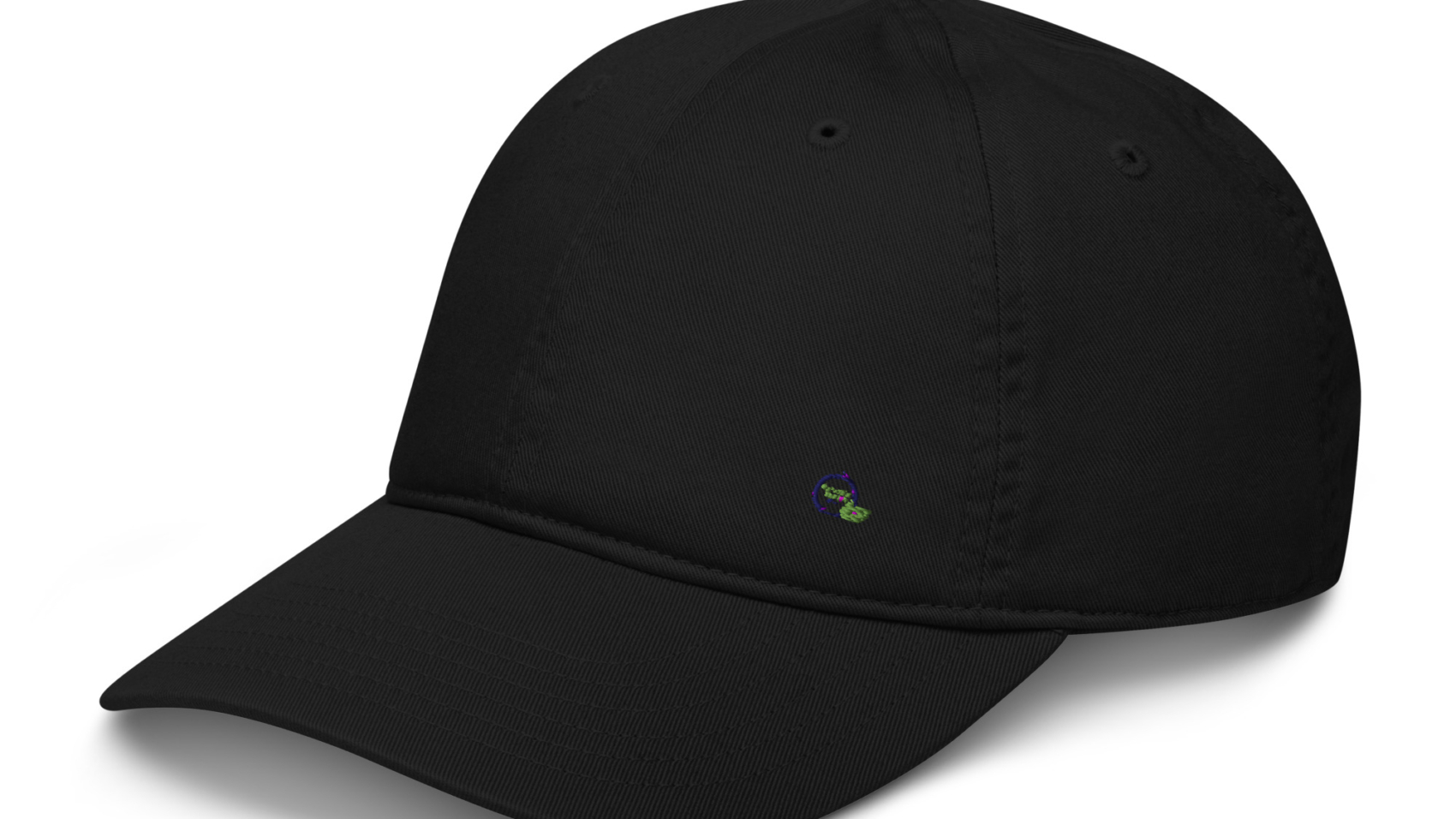
In a marketplace overwhelmed by disposable fashion cycles, synthetic manufacturing shortcuts, and trend-driven apparel designed to fade as quickly as it arrives, Nature’s Sunset continues carving out a distinctly different identity—one rooted in sustainability, timeless design, and long-term wearability. The latest spotlight within the growing Nature’s Sunset clothing ecosystem arrives through one of fashion’s most enduring staples: the organic dad hat. While the silhouette itself may be universally recognizable, the philosophy and craftsmanship behind the Nature’s Sunset Organic Dad Hat elevate it far beyond a basic accessory and position it as a defining piece within the brand’s broader sustainable apparel movement.

At first glance, the appeal is immediate. The relaxed structure, classic profile, and understated versatility of the dad hat have made it one of the few accessories capable of moving seamlessly across generations, lifestyles, and fashion categories. Yet Nature’s Sunset recognized an opportunity that many brands continue to overlook. Rather than producing another generic cap designed for short-term trend rotation, the company approached the product through the lens of durability, environmental responsibility, and elevated essentials. The result is a piece that reflects the larger direction of modern sustainable fashion: fewer disposable purchases, higher-quality materials, and products intentionally built to remain relevant for years rather than seasons.

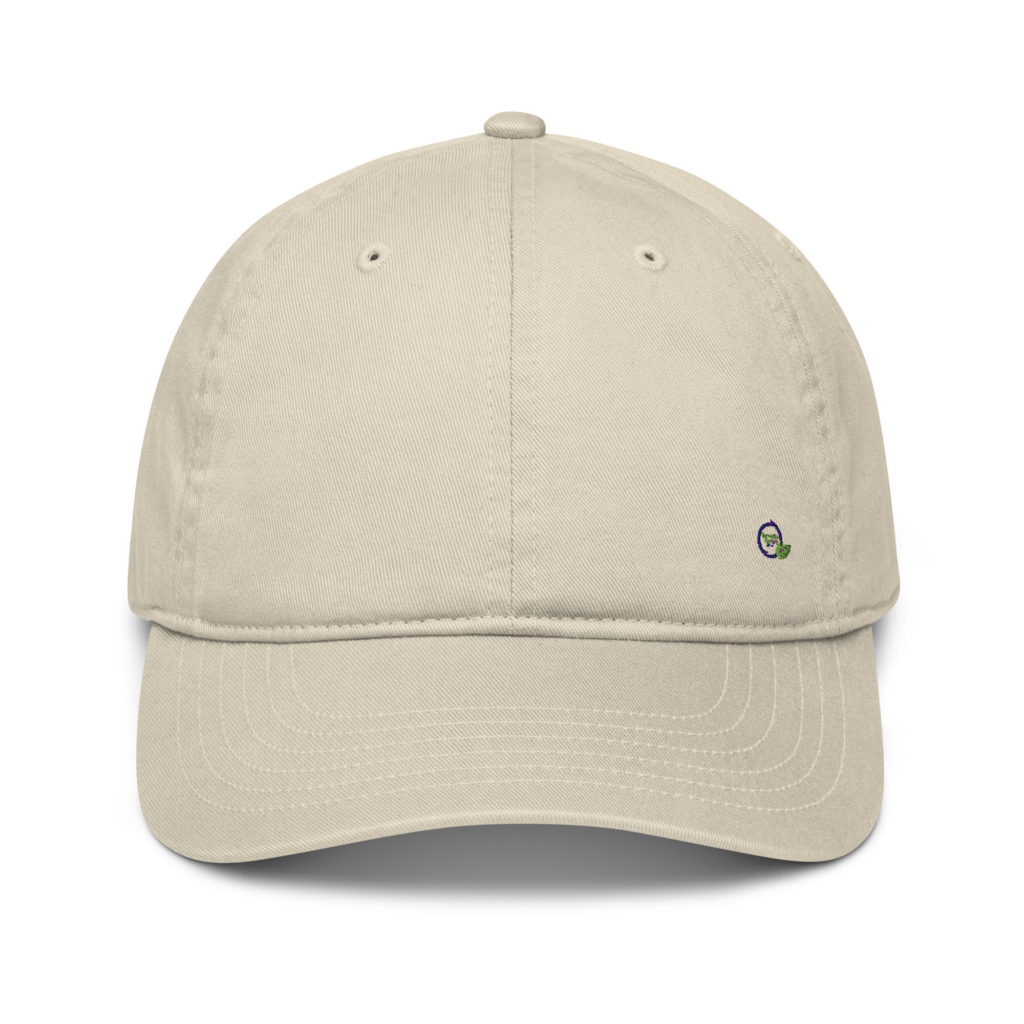
The featured Nature’s Sunset Organic Dad Hat embodies that philosophy through every stage of its construction. Manufactured using 100% organic cotton, the hat immediately separates itself from the overwhelming majority of low-cost headwear currently flooding the apparel market. Organic cotton is not simply a marketing distinction. It represents a material sourcing strategy designed to reduce environmental strain associated with conventional cotton production, particularly in areas such as pesticide use, chemical runoff, and excessive water dependency. For consumers increasingly aware of how apparel manufacturing impacts ecosystems, the choice matters.

Nature’s Sunset has built its identity around these kinds of material decisions. Rather than treating sustainability as a secondary branding exercise, the company integrates it directly into the DNA of the product line itself. The Organic Dad Hat becomes an extension of that larger commitment, fitting naturally alongside the brand’s growing catalog of eco-conscious apparel and recycled clothing initiatives. This consistency across categories is one of the reasons the Nature’s Sunset label continues strengthening its position among consumers seeking apparel brands that align with modern environmental values without sacrificing visual appeal or quality.

The fabric weight alone signals a noticeable upgrade in craftsmanship. At approximately 8 oz/yd² (271 g/m²), the hat delivers a substantial, premium feel that immediately distinguishes it from thinner mass-market alternatives. The weight contributes not only to comfort but to structural longevity. Lightweight promotional hats often lose their form after limited wear, but Nature’s Sunset designed this cap to maintain its integrity over time while softening naturally through repeated use. That aging process is part of what gives a truly great dad hat its character, transforming it from a simple accessory into something personal and lived-in.

The use of 3/1 twill construction further reinforces the elevated approach. Twill weaving techniques are valued throughout premium apparel manufacturing for their durability, texture, and resistance to wear. By incorporating this structure into the Organic Dad Hat, Nature’s Sunset ensures the product performs as both a fashion piece and an everyday utility item. It is designed to move easily between environments—urban settings, beach days, travel, outdoor recreation, live events, casual nightlife, and everyday lifestyle wear—without feeling overly styled or artificially manufactured.

The unstructured six-panel design is another important detail that contributes to the hat’s versatility. Unlike rigid or aggressively shaped caps that lock wearers into a specific aesthetic, the relaxed structure creates a more natural silhouette that adapts to the individual. This understated flexibility has become one of the defining reasons dad hats remain culturally relevant year after year. Nature’s Sunset leans into that timelessness rather than attempting to overcomplicate the formula. The result is a cleaner, more mature aesthetic that feels authentic rather than trend-chasing.

Comfort remains central throughout the design process. Matching sewn eyelets improve breathability while maintaining a cohesive visual presentation, ensuring the hat remains wearable across changing climates and extended periods outdoors. The self-fabric adjustable closure paired with a brass slider and hidden tuck-in system reflects another layer of thoughtful engineering. Instead of relying on plastic fasteners or lower-grade adjustment mechanisms commonly found in inexpensive caps, Nature’s Sunset incorporates hardware that enhances durability while also contributing to the elevated finish of the product itself. The hidden tuck-in detail keeps the rear profile streamlined and polished, preserving the clean silhouette from every angle.

Certification standards further reinforce the credibility behind the product. The Organic Dad Hat carries both OCS (Organic Content Standard) and GRS (Global Recycled Standard) certifications, placing it within an internationally recognized framework for sustainable textile production and material verification. In a marketplace where vague sustainability claims have become increasingly common, these certifications matter because they provide measurable accountability. Nature’s Sunset is not merely suggesting that the product aligns with eco-conscious principles—it is operating within globally recognized sustainability benchmarks that validate the sourcing and manufacturing process itself.

This attention to detail also reflects broader shifts occurring within the apparel industry. Consumers are becoming significantly more discerning about what they purchase, how long products last, and what kind of environmental footprint accompanies those purchases. The era of disposable fashion continues facing mounting scrutiny, particularly among younger demographics prioritizing long-term value and ethical manufacturing practices. Nature’s Sunset has recognized that change and positioned its apparel collections accordingly. The Organic Dad Hat is a relatively simple product category on the surface, but it becomes strategically important because it symbolizes the larger evolution of the brand itself.

Accessories often function as the entry point into lifestyle branding. They are accessible, versatile, and highly visible. A well-designed hat becomes part of daily rotation in a way many garments do not. Nature’s Sunset appears to understand that dynamic clearly. The Organic Dad Hat is not designed to dominate an outfit. Instead, it complements a broader lifestyle aesthetic built around clean design, sustainability, understated confidence, and functional everyday wear. That subtlety is precisely what makes the piece effective.

Within the larger Nature’s Sunset product ecosystem, the Organic Dad Hat also demonstrates how the company is steadily building cohesion across its apparel strategy. The brand is not pursuing isolated product drops disconnected from a central identity. Instead, each release reinforces the same themes: sustainability, premium construction, comfort, simplicity, and longevity. Whether through recycled swimwear, environmentally conscious clothing, or organic accessories, the connective tissue remains consistent. That kind of brand discipline is increasingly rare in digital retail environments saturated with reactive, trend-dependent product cycles.

The pricing structure further enhances the product’s appeal. At $19.00, the Organic Dad Hat positions itself within an accessible premium range—offering certified organic materials, quality construction, and sustainable sourcing without creating an unrealistic barrier for consumers. In an industry where sustainable apparel often becomes associated with inflated luxury pricing, Nature’s Sunset instead appears focused on balancing ethics with accessibility. That strategy significantly broadens the potential audience while reinforcing the practicality of sustainable fashion as an everyday choice rather than an elite niche.

The growing visibility of eco-conscious fashion also intersects directly with search behavior and digital retail trends. Consumers increasingly search for terms related to organic clothing, sustainable accessories, eco-friendly fashion, recycled apparel, ethical manufacturing, and long-lasting essentials. Products like the Nature’s Sunset Organic Dad Hat naturally align with those search ecosystems because they authentically deliver on the attributes consumers are actively seeking. This gives the product line significant organic visibility potential while simultaneously strengthening the larger Nature’s Sunset digital footprint.

More importantly, however, the Organic Dad Hat succeeds because it understands restraint. In a culture increasingly dominated by loud branding, forced hype cycles, and short-lived novelty, Nature’s Sunset has created a product that feels grounded and lasting. It does not attempt to overwhelm the consumer with excessive graphics, gimmicks, or disposable trend tactics. Instead, it delivers quality, sustainability, comfort, and timeless utility in a form that naturally integrates into everyday life.

That restraint may ultimately become one of the brand’s greatest strengths moving forward. Consumers are becoming exhausted by fast-moving fashion noise and increasingly drawn toward products that feel intentional, honest, and built with care. Nature’s Sunset is clearly positioning itself within that emerging space, and the Organic Dad Hat serves as another strong example of how the company continues translating sustainable philosophy into commercially viable, aesthetically refined apparel.

The result is more than just another hat release. It is another strategic step in the ongoing expansion of Nature’s Sunset as a fully realized lifestyle brand—one capable of balancing environmental responsibility, premium craftsmanship, and modern fashion relevance without compromising any of the three.

all-over-print-recycled-high-waisted-bikini-white-front-67fac702b11b2

Nature’s Sunset Redefines Sustainable Swimwear with Its Recycled High-Waisted Bikini Line

There is a point where fashion stops being seasonal and starts becoming a statement about how we live, what we value, and how we choose to show up in the world. Nature’s Sunset has positioned itself precisely at that intersection, building a product ecosystem that is as intentional as it is visually compelling. With the launch and continued expansion of its women’s bathing suit collection—anchored by the standout recycled high-waisted bikini line—the brand is not simply releasing another swimwear option. It is reinforcing a philosophy: sustainability and elevated design are no longer separate conversations; they are the same conversation.

At the core of this featured collection is a refined understanding of what modern swimwear needs to deliver. Today’s consumer is no longer satisfied with aesthetics alone. Performance, comfort, durability, and ethical sourcing are all part of the decision-making process, and Nature’s Sunset meets that demand with precision. The recycled high-waisted bikini set is engineered to function seamlessly across environments—whether that’s a full day under the sun at the beach, a poolside setting, or a more active coastal lifestyle. Every element of the design is built with purpose, from the fabric composition to the construction techniques that ensure longevity without compromising flexibility.

The material foundation of the line is where the brand’s commitment becomes immediately evident. In the European production model, the fabric blend consists of 88% recycled polyester combined with 12% elastane, delivering a balance between structure and stretch that allows the garment to retain its shape while adapting to movement. In the Mexico-based production model, the integration of REPREVE recycled polyester alongside LYCRA XTRALIFE enhances durability even further, particularly in environments where exposure to chlorine, saltwater, and UV rays typically accelerates wear. This is not incidental—it is a deliberate engineering choice designed to extend the lifecycle of each piece, reducing the need for replacement and, by extension, minimizing environmental impact.

The tactile experience of the garment reinforces its technical credibility. With a fabric weight calibrated within a performance-optimized range—approximately 230 g/m² in EU production and 255 g/m² in MX production—the bikini achieves a balance that feels substantial without becoming restrictive. This weight contributes to a premium feel while ensuring that the suit maintains opacity and structural integrity, even after repeated use. The double-layer construction further enhances this dynamic, creating a smooth, supportive fit that eliminates the common issues of transparency and uneven wear while maintaining a streamlined silhouette.

From a design standpoint, the high-waisted cut is both a stylistic and functional decision. It offers a flattering, contoured fit that aligns with current fashion trends while also providing additional coverage and support. This dual benefit broadens the appeal of the piece, making it accessible to a wider range of body types without sacrificing aesthetic edge. The inclusion of removable padding introduces another layer of adaptability, allowing wearers to customize their level of support and shaping based on preference or activity. This modular approach reflects a broader shift in apparel design toward personalization—an area where Nature’s Sunset is clearly paying attention.

Construction details, often overlooked in mass-market swimwear, are treated here with a level of care that signals premium intent. Zig-zag stitching is not merely a stylistic flourish; it is a structural technique that enhances elasticity and resilience, allowing seams to move with the fabric rather than against it. This reduces stress points and extends the durability of the garment under repeated strain. The tear-away care label is another subtle but meaningful inclusion, eliminating irritation and contributing to an overall cleaner wearing experience. These are the kinds of decisions that do not always make headlines but ultimately define whether a product feels thoughtfully made or simply assembled.

What distinguishes this line even further is how seamlessly it integrates into the broader Nature’s Sunset product architecture. The women’s bathing suit collection is not an isolated category; it is part of a cohesive lifestyle offering that reflects the brand’s identity across multiple touchpoints. By maintaining consistency in material standards, design language, and production ethics, Nature’s Sunset ensures that each new release reinforces the integrity of the brand rather than diluting it. This is critical in a market where fragmentation often undermines credibility.

Equally important is how the brand communicates its value proposition. Rather than relying on generic sustainability claims, Nature’s Sunset embeds its commitments directly into the product itself. The use of recycled fibers is not positioned as a marketing add-on but as a foundational element of the design process. This approach resonates with a more informed audience—one that is increasingly skeptical of superficial branding and more interested in verifiable substance. By aligning material innovation with aesthetic execution, the brand creates a narrative that is both credible and compelling.

The consumer experience extends beyond the garment to the accessibility of the collection itself. The full bathing suit line can be explored through the brand’s dedicated retail channel, where the Nature’s Sunset bathing suit collection is presented as a curated environment rather than a crowded catalog. This controlled presentation reinforces the premium positioning of the brand while allowing each product to stand on its own merits. It is a strategic decision that prioritizes clarity over volume, ensuring that the focus remains on quality and differentiation.

From a market perspective, the timing of this release is particularly significant. The swimwear industry is undergoing a structural shift, driven by increasing consumer awareness around sustainability and a growing demand for products that deliver both performance and purpose. Brands that fail to adapt risk being left behind, while those that can integrate these elements authentically stand to capture a more loyal and engaged audience. Nature’s Sunset is clearly operating within the latter category, using its recycled high-waisted bikini line as a proof point for what the future of swimwear can look like.

There is also a broader cultural dimension at play. Swimwear has always been a category that intersects with identity, confidence, and self-expression. By offering a product that combines environmental responsibility with a flattering, adaptable design, Nature’s Sunset is contributing to a more inclusive and forward-thinking narrative. It is not just about what the product looks like, but what it represents—a shift toward more conscious consumption without sacrificing style or performance.

In evaluating the collection as a whole, what emerges is a brand that understands the importance of alignment—between materials and mission, design and durability, aesthetics and ethics. The recycled high-waisted bikini line is not an isolated success; it is the result of a system that has been built to support this level of execution. Every detail, from fabric composition to stitching technique, reflects a deliberate effort to create something that is both immediately appealing and enduring over time.

For consumers navigating an increasingly complex apparel landscape, that clarity matters. It reduces friction in the decision-making process and builds trust in the product.

Nature’s Sunset has recognized that trust is not earned through messaging alone but through consistent delivery across every aspect of the brand. With this collection, it is delivering a product that meets the moment—technically, aesthetically, and ethically—while setting a benchmark for what sustainable swimwear should be.

The result is a line that does more than compete; it defines a category.

66cdb558bb224d48f9032b33

Nature’s Sunset Recycled Clothing Is Being Redefined in 2026 — And Why It Matters for What You Wear Next

How Recycled Clothing (and Conscious Living) Are Being Redefined in 2026 — And Why It Matters for What You Buy Next

In 2026, sustainability is no longer a trend category on an e-commerce menu — it is becoming the foundation of how modern lifestyle brands are built.

From recycled apparel and cruelty-free beauty to eco-designed home goods, plant-forward wellness, and responsibly sourced coffee, today’s customers expect one connected promise: products that are better for people, and better for the planet.

This Nature’s Sunset Article takes a deeper look at how recycled clothing is being transformed by regulation, innovation, and accountability — and how Nature’s Sunset is building a broader eco-lifestyle brand around those same values, with over 120 eco-friendly products spanning fashion, beauty, home, and wellness.

If you want to explore the full recycled apparel collection behind this story, you can browse it here at any time:
👉 https://naturessunset.com/product-category/natures-sunset-recycled-clothing/


Over 120 Eco-Friendly Products — One Unified Philosophy

Nature’s Sunset is not positioning sustainability as a single product line. It is building a connected ecosystem of conscious products that includes:

  • Recycled and organic clothing
  • Vegan, cruelty-free, fragrance-free skincare
  • Eco-designed home goods and accessories
  • Responsibly roasted coffee collections
  • Health and wellness supplements

What unites every category is the same standard: thoughtful materials, responsible sourcing, and products designed for real everyday use — not just seasonal campaigns.

Recycled clothing plays a central role in that ecosystem because fashion remains one of the largest contributors to global waste and emissions.


Recycled Clothing Has Entered a New Era in 2026

For much of the past decade, recycled apparel existed largely as a consumer-driven movement. Shoppers demanded better options, and brands responded with limited capsule collections and selective fabric upgrades.

In 2026, the rules have changed.

Regulation, fiber science, manufacturing transparency, and lifecycle accountability are now shaping the industry more than marketing claims ever could.

Across Europe and major global manufacturing regions, governments and industry coalitions are rewriting what “sustainable fashion” truly means. Brands are no longer judged simply by how much recycled content appears on a hangtag — they are being evaluated on:

  • how garments are designed,
  • how fibers are sourced,
  • how factories operate,
  • and how products can be recovered, reused, or recycled at the end of life.

For shoppers, this creates a new level of trust and traceability.
For responsible brands like Nature’s Sunset, it creates the opportunity to lead with substance — not slogans.

You can see how this approach translates into real products here:
👉 https://naturessunset.com/product-category/natures-sunset-recycled-clothing/


Regulatory Pressure Is Forcing the Industry to Change — Fast

One of the most important shifts reshaping recycled apparel in 2026 is the European Union’s new crackdown on textile waste.

Beginning in July 2026, large companies operating in the EU will be prohibited from destroying unsold clothing, footwear, and accessories. Incineration and landfilling of excess inventory will no longer be permitted as a standard business practice. Instead, brands must prioritize resale, donation, repair, and reuse systems. Medium-sized companies will follow similar rules by 2030.

This represents a structural reset for the fashion industry.

Products must now be created with circular outcomes in mind — not only how they sell in the current season, but how they perform years later in reuse and recycling streams.

France is also advancing national restrictions on PFAS chemicals in textiles, while carving out protections for secondhand garments to avoid undermining circular fashion systems.

For brands committed to recycled materials and longer product life, these policies create alignment between ethical design and legal compliance.


Textile-to-Textile Recycling Is Becoming the New Standard

At the core of the industry’s transformation is the rapid expansion of textile-to-textile recycling — technology that allows worn garments to be converted directly into new fibers.

Global brands such as H&M, Zara, and Allbirds are now sourcing recycled yarns from advanced recycling innovators such as Circ.

Circ’s chemical separation technology addresses one of the industry’s biggest historic barriers: blended fabrics. Cotton-polyester, elastane mixes, and multi-fiber constructions have traditionally been almost impossible to recycle at high quality.

To scale this technology globally, Birla Cellulose has entered a strategic alliance with Circ, accelerating the production of regenerated fibers for large-volume apparel manufacturing.

These collaborations are helping recycled fibers move from pilot programs into reliable industrial supply.


Scaling Infrastructure to Meet Real-World Demand

Technology alone is not enough. Recycling must scale.

The recycling firm RE&UP recently partnered with ONLY to produce more than 100,000 t-shirts made from next-generation recycled polyester. Even more ambitious is RE&UP’s target of processing one million tonnes of textile waste annually by 2030.

Without this kind of large-scale infrastructure, sustainability commitments remain limited to small production runs.

For brands like Nature’s Sunset, growing global recycling capacity directly supports future access to higher-quality recycled fibers.


Circular Design Is Now a Product Requirement — Not a Marketing Feature

Another milestone in early 2026 came when Primark introduced a denim collection engineered specifically for easier disassembly and fiber recovery at end of life.

This approach signals a fundamental shift: circular fashion begins at the design table, not inside the recycling plant.

Buttons, trims, stitching methods, fabric blends, and finishing processes are now being evaluated for their impact on recyclability.

At Nature’s Sunset, this design-for-future philosophy directly supports the direction of its recycled apparel line — garments created to be worn, washed, lived in, and ultimately handled more responsibly at the end of their usable life.

Explore Nature’s Sunset’s recycled clothing lineup here:
👉 https://naturessunset.com/product-category/natures-sunset-recycled-clothing/


A Market That Continues to Expand

The global textile recycling market is projected to grow from approximately $13.6 billion in 2024 to more than $20 billion by 2031.

This growth is being driven by:

  • rising consumer awareness of fashion’s environmental footprint,
  • mandatory compliance programs across global supply chains,
  • rapid investment in recycling infrastructure,
  • and continued innovation in fiber recovery technologies.

Recycled materials are steadily transitioning from premium niche to mainstream manufacturing input.

However, the path forward is not without complexity.


Cost Remains One of the Industry’s Hardest Challenges

Despite technological advances, recycled fibers remain more expensive than conventional materials.

Chemically recycled polyester and regenerated cellulose fibers can cost over one-third more than virgin cotton or virgin synthetics. These cost differences reflect:

  • additional processing steps,
  • chemical separation technologies,
  • material traceability systems,
  • and more complex logistics.

For consumers, understanding this reality is essential. Recycled clothing is not simply a visual design choice — it represents deeper investments in sourcing, traceability, and environmental impact reduction.

Nature’s Sunset’s recycled products reflect this commitment while still prioritizing comfort, fit, durability, and everyday wearability.


Greenwashing Is Being Actively Challenged in 2026

Another defining narrative shaping the recycled apparel sector is the growing scrutiny of sustainability claims.

Recent investigations have highlighted:

  • recycled labels that fail to reflect meaningful recycled content,
  • inconsistencies between fiber claims and garment care labels,
  • labor concerns in certain recycling and processing hubs in South Asia,
  • and marketing campaigns that omit broader social or environmental risks in supply chains.

As a result, sustainability is increasingly defined by verifiable data — not promotional language.

For brands like Nature’s Sunset, this reinforces a conservative, evidence-based approach to sustainability storytelling, positioning recycled clothing as part of a broader long-term strategy rather than a short-term marketing lever.


Breakthrough Technologies Powering the Next Generation of Recycled Apparel

Water-Efficient and Low-Energy Dyeing

New research published in the Textile Research Journal highlights foam dyeing and other low-liquid dyeing systems as credible alternatives to traditional water-intensive processes. These methods significantly reduce both water use and energy consumption during textile finishing.

Because dyeing and finishing account for a major share of a garment’s environmental footprint, these innovations offer measurable sustainability improvements beyond fiber sourcing alone.

Automated Textile Sorting

Another major advancement comes from automated textile sorting systems that use machine vision, spectroscopy, and sensor-based detection to identify fiber composition and color far more accurately than manual methods.

Improved sorting directly increases recycling efficiency, lowers contamination rates, and enables higher-quality recycled yarn production — all critical for the future scalability of circular fashion.


How Nature’s Sunset Fits into the Future of Recycled Clothing

Nature’s Sunset is expanding its recycled apparel offering during a period of genuine industry transformation — not cosmetic rebranding.

From recycled jerseys and hoodies to eco-conscious activewear and accessories, the brand’s recycled line reflects a design-forward, practical approach to sustainable fashion.

It is built for:

  • comfort and performance,
  • everyday durability,
  • inclusive, versatile styling,
  • and responsible material choices.

Whether you are shopping for recycled sportswear, eco hoodies, athleisure pieces, or recycled swimwear, Nature’s Sunset provides a growing range for people who care how their clothing is made — without compromising personal style.

Browse the full recycled clothing collection here:
👉 https://naturessunset.com/product-category/natures-sunset-recycled-clothing/


Beyond Fashion: A Complete Conscious Lifestyle Brand

What truly differentiates Nature’s Sunset is how recycled clothing connects with the rest of its eco-focused product ecosystem.

Alongside its apparel collections, the brand offers:

Clean & Conscious Beauty

Nature’s Sunset’s beauty collection features:

  • 100% vegan and cruelty-free formulas
  • fragrance-free and sensitive-skin-friendly products
  • formulations free of parabens, sulfates, phthalates, mineral oils, and synthetic fragrances

From hydrating toners and daily moisturizers to gentle face and body cleansers, the skincare line supports both skin health and environmental responsibility.

Sustainable Home Goods

The brand’s home collections extend sustainability into daily living, including organic cotton kitchen accessories, biodegradable phone cases made from plant-based polymers and bamboo fibers, and eco-designed décor pieces that minimize plastic use.

Coffee & Wellness

Nature’s Sunset also offers responsibly roasted coffee collections produced in the USA, as well as wellness products such as multivitamin gummies and whey isolate protein supplements — supporting everyday health within the same conscious-consumption philosophy.

Together, these categories create a unified, sustainable lifestyle platform rather than a fragmented product catalog.


Looking Ahead

In 2026, recycled clothing is no longer defined by experimentation. It is being reshaped by enforceable regulation, industrial partnerships, advanced fiber technologies, and rising expectations around ethical production and transparency.

Brands that invest in credible materials, accountable supply chains, and honest communication will lead the next generation of sustainable commerce.

This Nature’s Sunset Article reflects a simple and powerful reality:

Recycled clothing is not a trend.
It is becoming a core building block of how responsible brands — and responsible consumers — will shape the future of fashion and everyday living.

organic-ribbed-beanie-oxford-navy-left-front-67aba568b5727

Nature’s Sunset Econscious Apparel and the Future of Sustainable Everyday Wear

In a world where fast fashion continues to strain the planet, brands that commit to responsible production stand apart. Econscious is one such name, quietly but consistently reshaping how everyday apparel can be made, worn, and valued. At Nature’s Sunset, we place a strong emphasis on sustainability that is practical, transparent, and impactful—and Econscious aligns naturally with that philosophy.
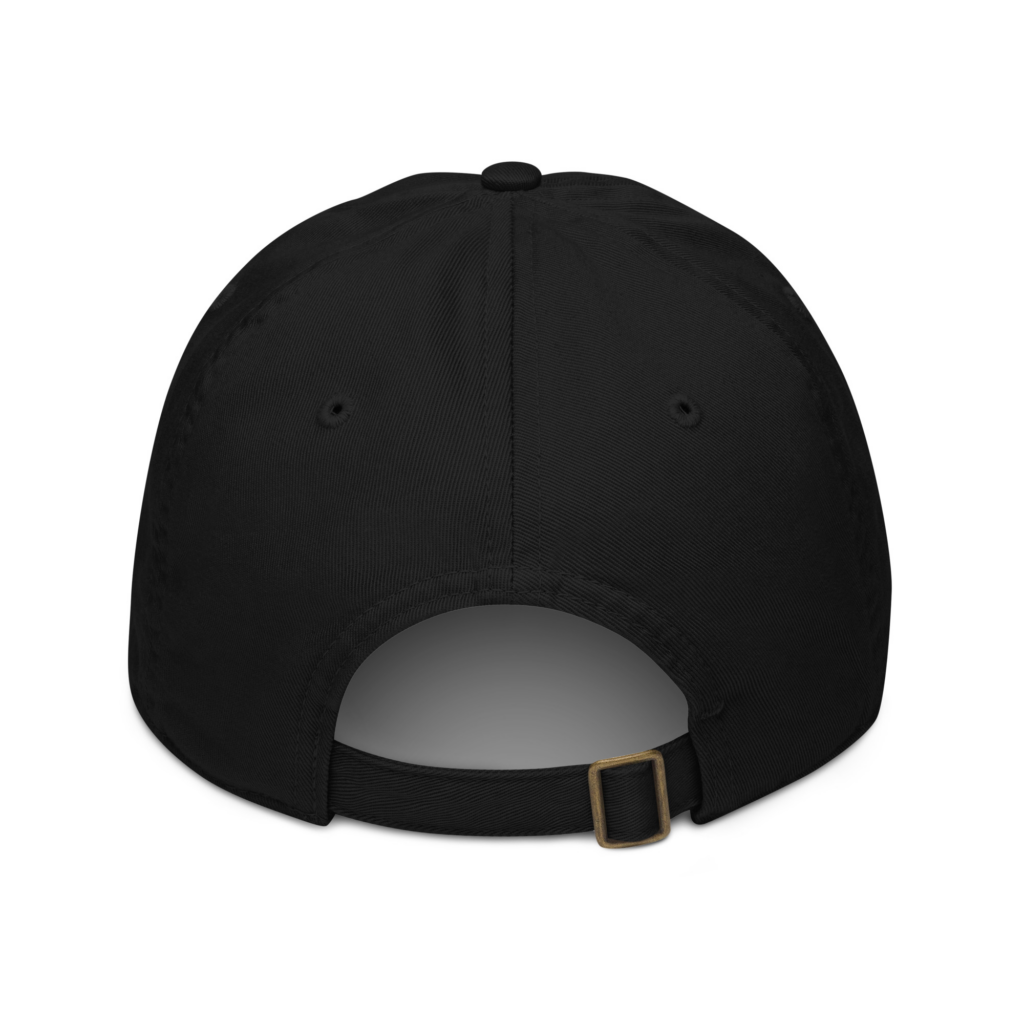
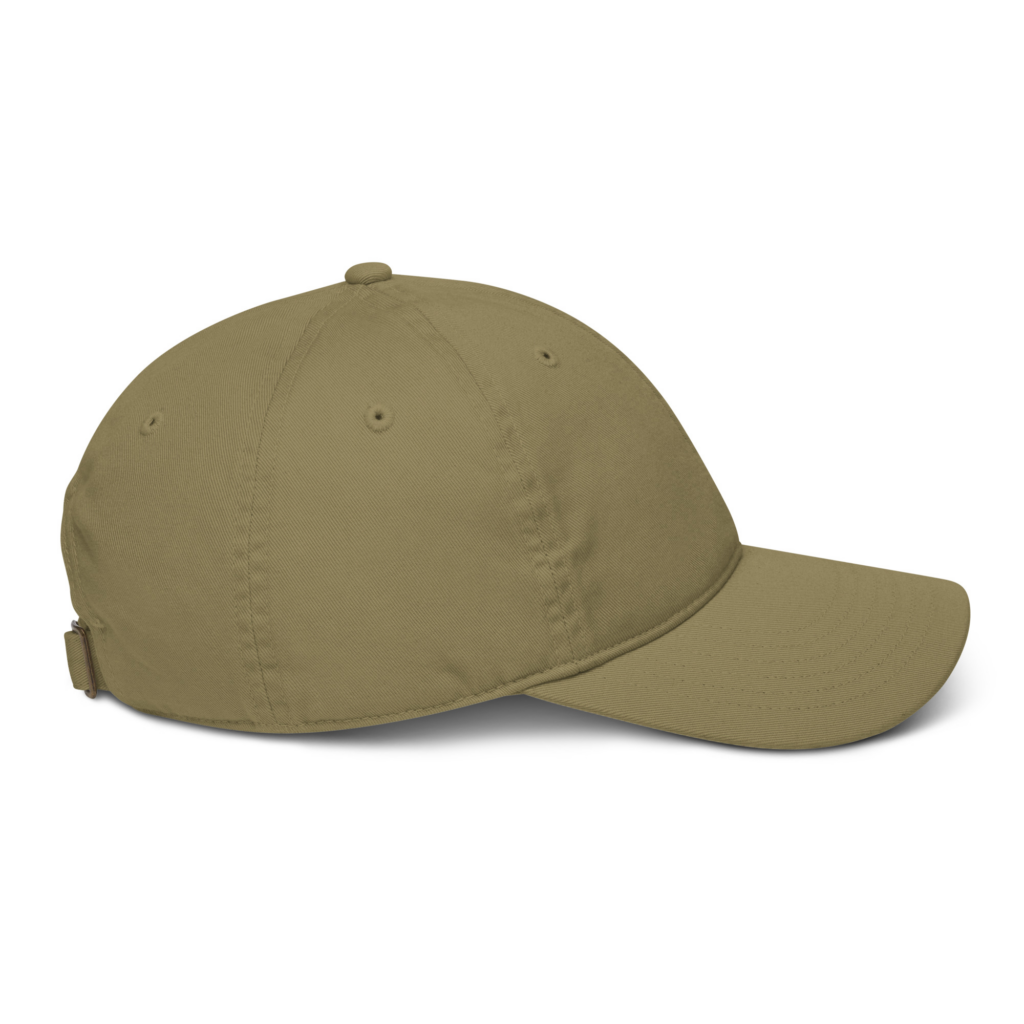
From organic cotton T-shirts to durable tote bags and classic headwear, Econscious proves that ethical fashion does not need to be complicated or performative. Instead, it can be functional, accessible, and thoughtfully produced from the ground up.


A Brand Built on Sustainable Foundations

Founded in 2006 by Dale Denkensohn, Econscious emerged from a lineage of sustainable innovation. Denkensohn previously worked alongside early leaders in eco-fashion, including Patagonia, and brought that experience into building a brand focused on long-term environmental and social responsibility.

From its inception, Econscious set out to challenge the conventional apparel supply chain by prioritizing organic materials, recycled fibers, and ethical manufacturing. Nearly two decades later, the brand remains committed to reducing fashion’s environmental footprint through responsible sourcing, low-impact production, and ongoing transparency.


Materials That Make a Measurable Difference

At the core of Econscious apparel is its reliance on organic and recycled materials. The brand primarily uses:

  • Organic cotton, grown without harmful pesticides or synthetic fertilizers, significantly reducing water usage and soil degradation compared to conventional cotton.
  • Recycled polyester, often derived from post-consumer plastic, helping divert waste from landfills while lowering overall CO₂ emissions.
  • GRS-certified fabrics, ensuring recycled content is verified and responsibly processed.

These material choices matter. Conventional cotton farming is one of the most chemical-intensive agricultural practices in the world. By opting for organic alternatives, Econscious supports healthier ecosystems and safer conditions for farmers and surrounding communities.


Ethical Manufacturing and Fair Labor Practices

Sustainability is not only about materials—it is also about people. Econscious partners with factories that meet strict ethical and environmental standards. Many of these facilities are:

  • SEDEX-audited, ensuring fair wages, safe working conditions, and zero tolerance for child or forced labor
  • Environmentally responsible, with several factories utilizing solar power and energy-efficient systems
  • Committed to worker rights, safety protocols, and ongoing compliance with international labor standards

While no global supply chain is perfect, Econscious continues to improve traceability and transparency, addressing known challenges within the apparel industry rather than ignoring them.


Low-Impact Dyes and Reduced Environmental Harm

Another defining feature of Econscious products is their use of low-impact, Oeko-Tex certified dyes. These dyes are designed to minimize water pollution, reduce chemical runoff, and lower energy consumption during the dyeing process.

Combined with waste-reduction initiatives and carbon-offset programs, Econscious works to limit environmental harm at each stage of production—without compromising quality or longevity.

Giving Back Through 1% For The Planet

Econscious is also a proud member of 1% For The Planet, donating a portion of revenue to environmental nonprofits working to protect land, water, and natural resources. This commitment reinforces the idea that sustainability is not only about minimizing damage, but also about actively supporting restoration and conservation efforts worldwide.


Everyday Apparel With Purpose

Econscious focuses on timeless essentials designed for daily wear, customization, and long-term use. These are not trend-driven pieces meant to be discarded after a season—they are staples built for durability and versatility.

Notable Econscious products include:

  • Organic Unisex Classic T-Shirt (EC1000) – A soft, breathable essential made from organic cotton, available in a wide range of colors and sizes.
  • Organic Women’s Classic T-Shirt (EC3000) – Designed for comfort and durability, offering a more sustainable alternative to traditional women’s tees.
  • Organic Baseball Cap (EC7000) – A classic, embroidered cap made with organic materials, ideal for everyday wear or custom branding.
  • Large Eco Tote (EC8001) and Organic Canvas Tote Bag (EC8040) – Reusable, sturdy bags that reduce reliance on single-use plastics while offering practical storage.
  • Eco Tote Bag (EC8000) – A lightweight, affordable option for errands, events, or promotional use.

These products are especially popular for ethical branding, events, and consumers who want their purchases to reflect their values.

To explore a curated selection of sustainable products that align with these principles, visit the Nature’s Sunset shop here:
https://naturessunset.com/shop-2/


What Choosing Econscious Means for Consumers

For consumers, Econscious represents more than just apparel—it represents a choice.

Choosing Econscious means:

  • Supporting organic agriculture and reducing environmental damage caused by conventional farming
  • Encouraging fair labor practices and safer working conditions across global supply chains
  • Investing in durable, responsibly made products designed for long-term use
  • Aligning personal style with environmental accountability and transparency

While the brand continues to evolve and improve, its commitment to responsible production places it firmly among the more credible and impactful sustainable apparel companies available today.


The Nature’s Sunset Perspective

At Nature’s Sunset, we believe sustainability should be accessible, honest, and woven into everyday life. Econscious exemplifies this approach by proving that eco-friendly apparel does not have to sacrifice comfort, style, or affordability.

As consumers become more aware of how their choices impact the planet, brands like Econscious help bridge the gap between intention and action—offering clothing that feels good to wear and even better to support.

For those looking to make more mindful decisions without overcomplicating their wardrobe, Econscious stands as a practical and responsible step forward.

8849696517622543685_2048

Nature’s Sunset Practical Guide to Ethical, Sustainable Shopping

Shopping with an eye toward the planet and the people behind the products is more than a trend—it’s a daily practice that can shape how we live, what we buy, and how businesses operate. This Nature’s Sunset Article walks through the mindset, materials, and places that make ethical, sustainable shopping realistic, not just aspirational. The goal is simple: minimize waste, support responsible brands, and choose items that last.

The mindset that makes sustainability stick

Before any purchase, ask yourself whether the item is truly needed, or if an existing item can be repaired, reused, or repurposed first. This principle—Reduce, Reuse, Recycle, Repair—puts consumption in check and keeps products out of landfills. It’s also the most powerful way to shrink your environmental footprint today.

Beyond that, look for transparency. Choose brands that openly share how their products are made, where materials come from, and what safeguards are in place for workers and communities. Certifications like Fair Trade or B Corp signal a commitment to higher ethical or environmental standards. In textiles, certifications such as GOTS—Global Organic Textile Standard—indicate third‑party verified processing for organic fibers, including environmental and social criteria across the supply chain. Global Organic Textile Standard These are useful shortcuts when you’re deciding between similar items.

Finally, prioritize quality over quantity. Fast fashion and disposable goods may be cheaper this season, but the cost to the environment and to your wallet over time is steep. A well‑made coat, pair of shoes, or handbag can last years, sometimes decades, if cared for properly. That reduces the need for replacements and keeps consumer culture from becoming a cycle of constant tossing and buying.

Materials worth seeking out

When you’re ready to buy, these materials signal better environmental choices and often better performance:

  • TENCEL™ Lyocell and similar closed‑loop fibers. These fibers are made from wood pulp using processes that reclaim nearly all solvents, sharply cutting waste. Lyocell fibers support moisture control, feel soft to the touch, and are designed for minimal environmental impact compared to many conventional fabrics. TENCEL TENCEL
  • Organic cotton, linen, and hemp. These plant‑based fibers typically use less water and fewer harmful chemicals than conventional cotton, and they’re durable. Linen and hemp also age well, often becoming softer with use while maintaining strength.
  • Recycled polyester or other recycled synthetics. Made from post‑consumer plastics, these reduce waste and can require less energy than producing virgin plastics. They’re common in outerwear, bags, and activewear.
  • Recycled wool and down. Instead of relying on new animal products, recycled versions reuse existing materials, cutting the impact of new production. Wool also offers natural warmth and breathability.
  • Sustainable packaging. Minimal or compostable packaging avoids adding extra waste. A product may be eco‑friendly, but excessive plastic or non‑recyclable materials around it can undo much of the benefit.

How to shop ethically and sustainably, locally and globally

You don’t have to search the entire world to find better options. Many paths are already close to home, especially in New Jersey, and they blend well with seasonal markets, community events, and local entrepreneurs.

Secondhand and thrift stores
These are gold mines for durable clothing, furniture, and home goods. Local shops, charity outlets, and even national chains offer constantly rotating inventory. In Central Jersey and nearby regions, these stores often support local causes, giving each purchase an added community benefit.

Online marketplaces for pre‑owned goods
Platforms dedicated to used items—ranging from clothes to home accessories—provide vast choices, often at a fraction of the cost of new. The trick is to be patient, search broadly, and think of each item as a unique find rather than a disposable purchase.

Local markets and small businesses
Shopping locally reduces transportation emissions and keeps money circulating in your community. Farmer’s markets, street fairs, and small boutiques often carry handmade or locally produced goods with clearer stories behind them. In many New Jersey towns, weekend markets and seasonal events are a great first stop before hitting big‑box stores.

Ethical brand directories and guides
When you want to buy new but still make a responsible choice, curated directories and rating sites can steer you toward brands with transparent practices. These lists often include links to company policies, manufacturing details, and third‑party certifications, saving you time and guesswork.

Tips for making ethical shopping a habit

  1. Start small. Don’t overhaul your entire wardrobe or household at once. Add one or two pieces each month—perhaps a recycled‑material jacket, a pair of organic fiber socks, or a sturdy reusable bag—and build from there.
  2. Follow the care instructions. High‑quality materials last when properly cared for. Wash less, air dry when possible, and repair when seams loosen or buttons pop off.
  3. Keep a wishlist, not a cart. When browsing, set aside items that truly resonate with your values, then review whether they still feel essential after a few days. This prevents impulse buys and aligns purchases with needs.
  4. Support brands that share their journey. If a company explains how it sources materials or treats workers, take note. That level of honesty is a strong indicator of ongoing commitment, not just a marketing slogan.
  5. Share your finds. Tell friends, family, or your local community about brands or stores you trust. Word‑of‑mouth is powerful, and it helps ethical businesses stay visible.

Why this matters

Every item we buy—or choose not to buy—sends a signal. A purchase can support a farmer, an artisan, or a small business owner. It can reduce plastic in waterways, limit exposure to harmful chemicals, or give new life to materials that would otherwise be wasted. Ethical and sustainable shopping isn’t about perfection. It’s about the cumulative impact of many thoughtful decisions, made again and again.

Nature’s Sunset readers who choose this path aren’t just changing their closets or homes; they’re helping shift markets and inspiring companies to do better. For anyone beginning this journey, remember that each act counts. Buy less, choose more carefully, and look for the stories behind the products. In doing so, you honor both the planet and the people who make our everyday items possible.

To explore more about living thoughtfully and discovering responsible choices, visit Nature’s Sunset online and see how a mindful lifestyle can shape the world we share.