
 Cart is empty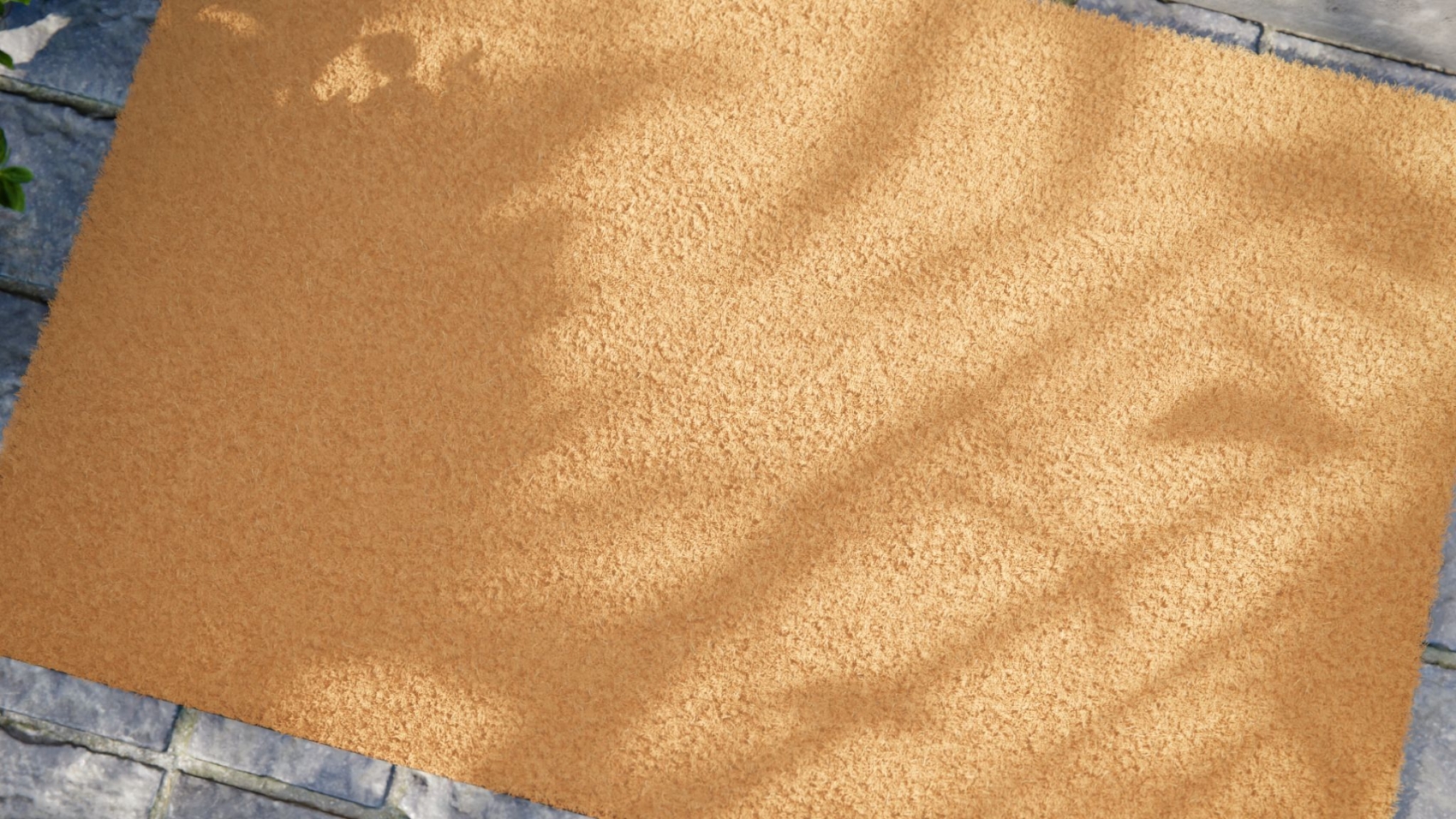
The future of sustainable living is no longer confined to wardrobes alone. It is moving into homes, entryways, lifestyle products, and the everyday details that quietly shape how people experience their environments. Nature’s Sunset continues advancing that evolution with a growing collection of eco-conscious home goods designed to bring the same philosophy of sustainability, craftsmanship, and thoughtful design found throughout its apparel lines into modern living spaces. At the center of this expansion is the featured Nature’s Sunset Doormat, a deceptively simple product category transformed into a reflection of where sustainable consumer culture is rapidly heading.
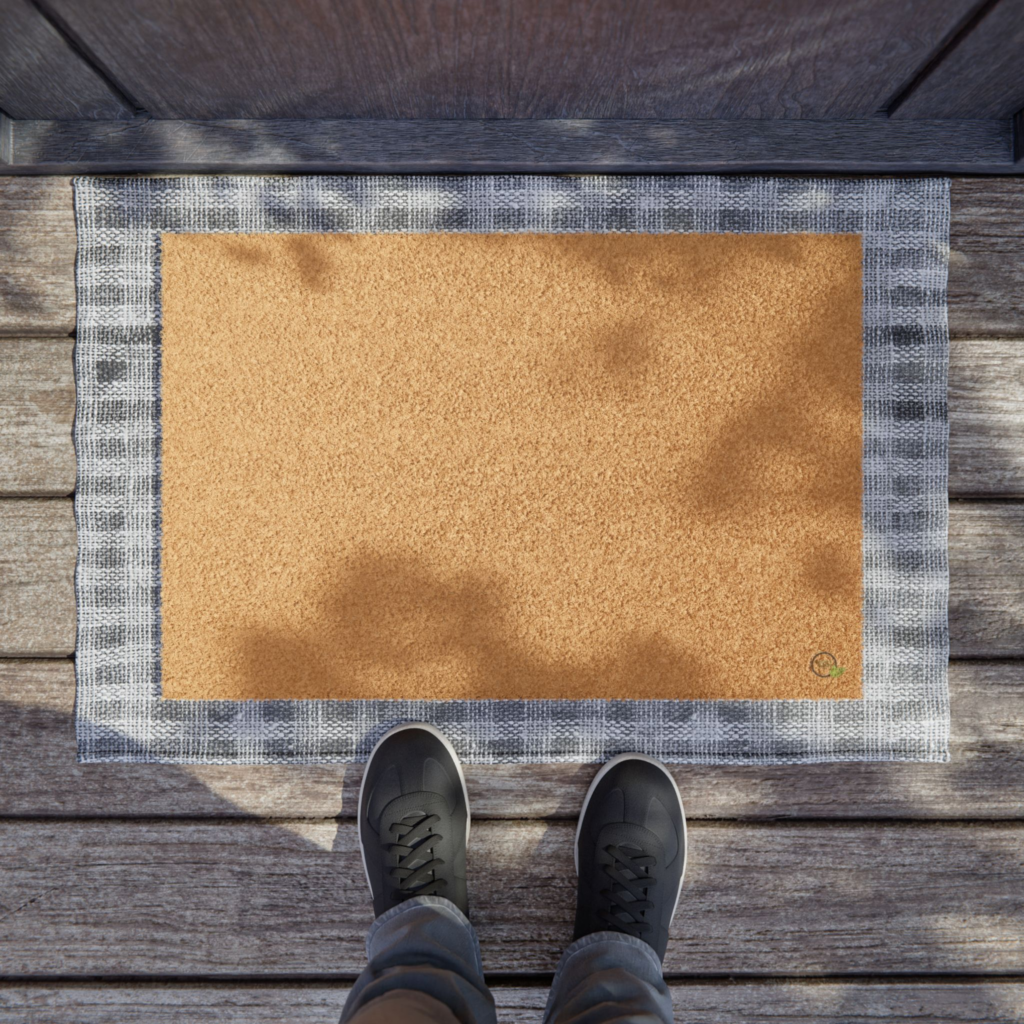
For decades, home accessories such as doormats were largely treated as disposable utility products—mass-produced, synthetic, visually generic, and designed with little attention to environmental impact or material integrity. Nature’s Sunset approaches the category differently. The brand recognizes that sustainability is not a seasonal aesthetic trend or a marketing checkbox; it is a lifestyle framework extending across every touchpoint of modern living. The Nature’s Sunset Doormat becomes an extension of that philosophy, integrating environmentally conscious materials, durability-focused construction, and customizable lifestyle branding into one cohesive product experience.
The first impression of any home begins before the door even opens. Entryways function as transitional spaces between the outside world and personal environments, and consumers are increasingly curating those spaces with the same intentionality once reserved only for interiors. Nature’s Sunset taps directly into that shift by transforming the traditional doormat from a purely functional accessory into a meaningful component of sustainable home design. The result is a product that performs its practical role while simultaneously reinforcing a broader identity centered around modern eco-conscious living.
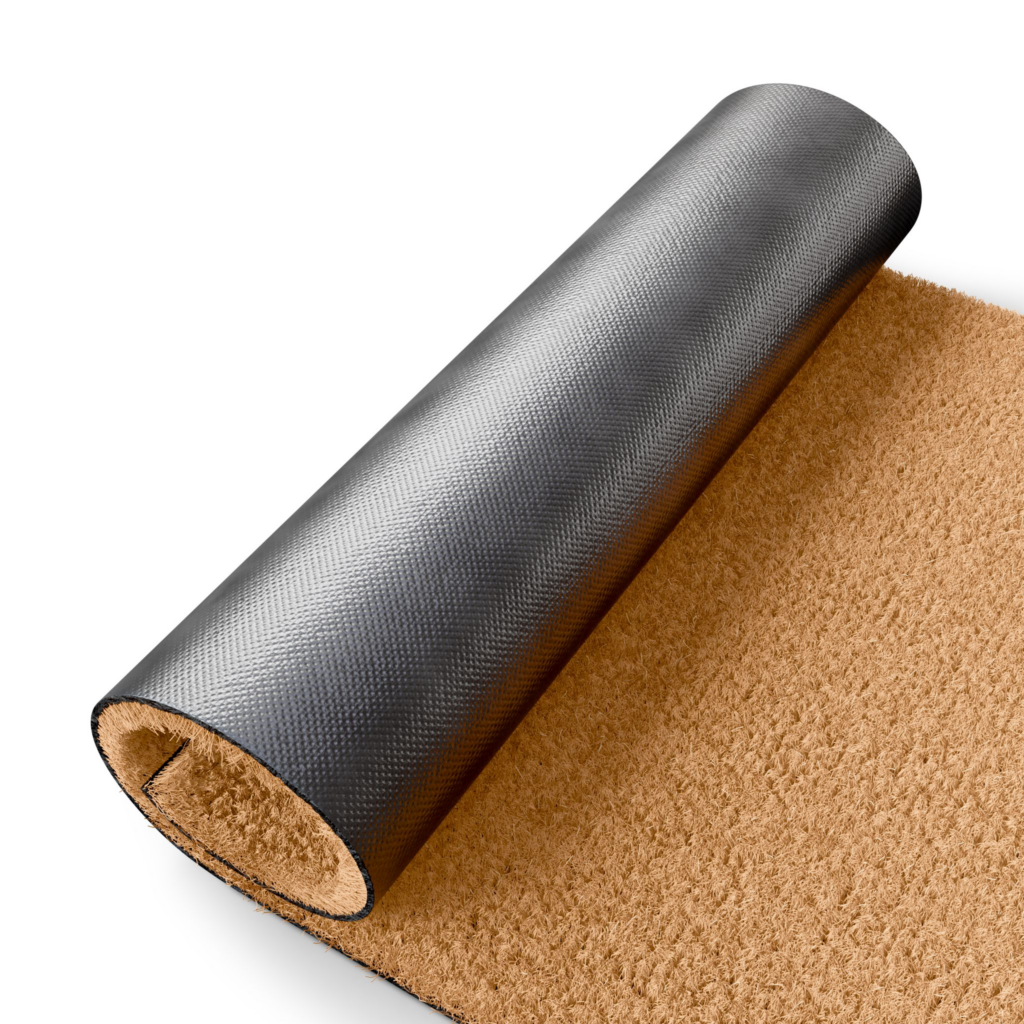
At the foundation of the doormat’s construction is Grade A tufted coir coconut fiber, one of the most naturally effective and environmentally responsible materials available for outdoor flooring products. Coir fibers are harvested from coconut husks, utilizing a renewable agricultural byproduct that would otherwise go underutilized. Unlike synthetic petroleum-based alternatives dominating much of the mass retail home goods market, coir offers a biodegradable, durable, and naturally textured solution capable of withstanding heavy foot traffic while maintaining strong cleaning performance.
Nature’s Sunset’s decision to use Grade A tufted coir is especially important because not all coir materials are created equally. Higher-grade fibers provide increased durability, better moisture resistance, and a more refined appearance while maintaining the rugged texture required for effective dirt and debris removal. This distinction immediately elevates the product beyond lower-end decorative mats that prioritize appearance over long-term functionality. The Nature’s Sunset Doormat is designed not simply to look good on arrival, but to remain effective and visually consistent through extended outdoor use.
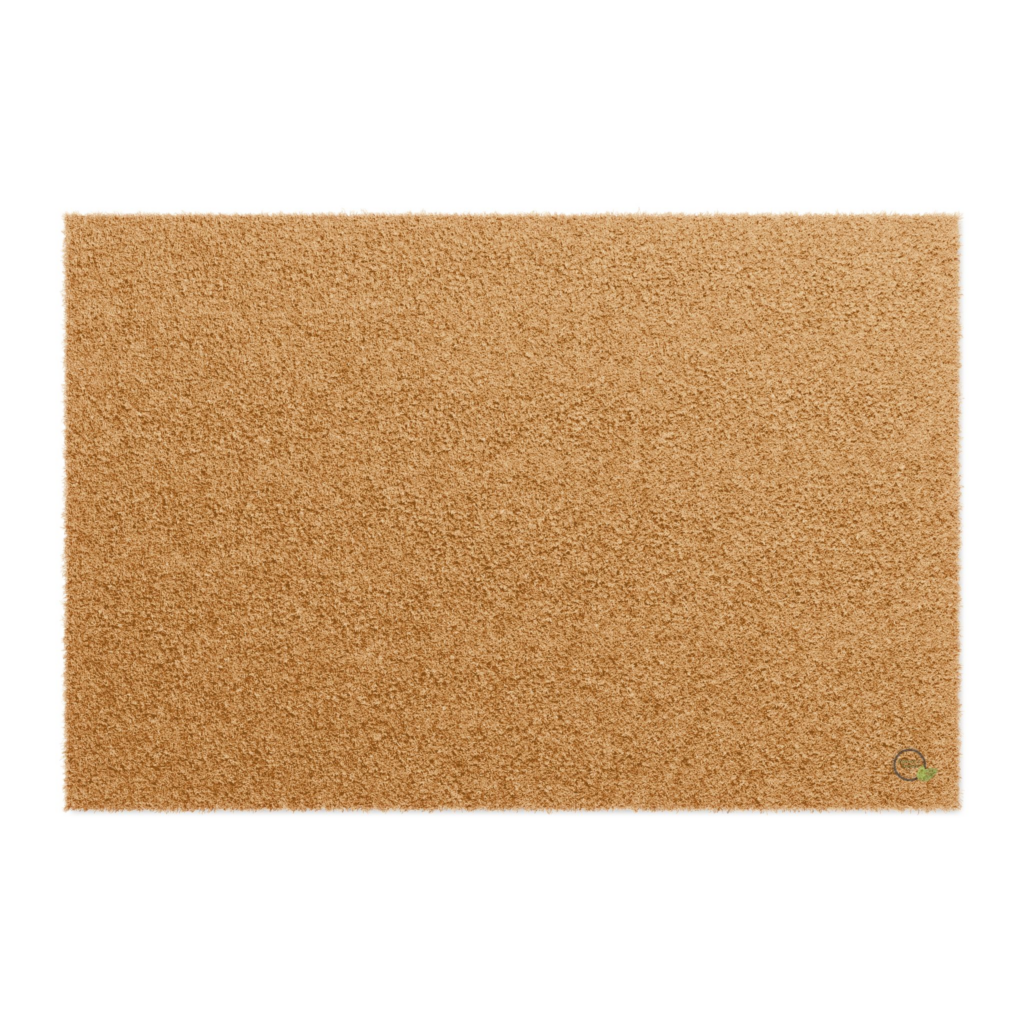
The sizing also reflects a balance between practicality and design integration. Measuring 24 inches by 16 inches (61 cm x 40.6 cm), the mat fits naturally across a wide range of residential entryways without overwhelming the space. The dimensions provide enough surface area for functional use while maintaining a clean, proportionate profile suited for modern exterior aesthetics. This versatility allows the product to integrate seamlessly across apartments, suburban homes, patios, beach properties, urban residences, vacation rentals, and outdoor entertainment spaces.
Functionality remains central throughout the construction process. The black vinyl backing significantly improves stability and placement retention, helping reduce slippage while reinforcing the structural integrity of the mat itself. Outdoor home products frequently fail because they focus too heavily on surface appearance while neglecting foundational support systems. Nature’s Sunset addresses both simultaneously, ensuring the product performs effectively across different weather conditions and environmental settings.
What makes the doormat especially compelling within the larger Nature’s Sunset ecosystem is its customizable nature. Personalization has become one of the defining movements within modern consumer retail, particularly within home goods. People increasingly want products that feel uniquely tied to their personalities, lifestyles, or spaces rather than mass-manufactured and interchangeable. By allowing the doormat to function as a customizable welcome piece, Nature’s Sunset creates an emotional connection between product and environment that extends beyond utility alone.
Yet the significance of this release becomes even larger when viewed against the backdrop of the rapidly changing sustainability landscape currently reshaping the global fashion and consumer products industries. Nature’s Sunset is entering this space at a moment when breakthrough innovations in recycling infrastructure, circular manufacturing, and eco-material engineering are fundamentally transforming how products are designed, manufactured, and consumed worldwide.
One of the most important developments driving this transformation is the rise of true textile-to-textile recycling technologies. For years, the apparel industry struggled with the technical limitations of recycling blended synthetic fabrics without significantly downgrading the quality of the resulting material. That barrier is now beginning to break down at scale. Global innovators are introducing systems capable of separating and regenerating complex blended textiles back into premium-grade fibers, dramatically improving the feasibility of circular production models.
This shift is particularly relevant to brands like Nature’s Sunset because it signals the emergence of a future where sustainability is no longer dependent solely on reducing waste, but increasingly focused on fully regenerative manufacturing ecosystems. Advanced chemical depolymerization technologies developed by next-generation recycling startups are now capable of isolating cotton and polyester blends into their original molecular states, effectively transforming discarded garments back into virgin-quality materials. These advancements are changing how responsible brands think about long-term product lifecycles.
Simultaneously, artificial intelligence is becoming deeply integrated into recycling infrastructure itself. AI-powered Near-Infrared spectroscopy sorting systems are now capable of scanning and classifying garments at speeds approaching 50 items per second, dramatically reducing contamination and inefficiency within textile recycling streams. The importance of this evolution cannot be overstated. Sustainable manufacturing has historically struggled with scalability, but automation and intelligent sorting technologies are beginning to close that gap in meaningful ways.
Nature’s Sunset’s broader emphasis on recycled clothing and environmentally responsible materials aligns directly with this next wave of circular manufacturing systems. The company’s expansion into sustainable home goods like the doormat reflects an understanding that consumers increasingly expect consistency across entire brand ecosystems rather than isolated sustainability claims attached to individual products.
Global regulation is accelerating this transformation even further. Across Europe, sweeping environmental legislation is fundamentally altering how fashion and consumer goods companies operate. The Ecodesign for Sustainable Products Regulation (ESPR) is forcing brands to rethink waste management by effectively outlawing the destruction or landfilling of unsold textiles and excess inventory. These kinds of regulatory changes are pushing the global market toward more accountable manufacturing systems, encouraging companies to prioritize long-term product usability, recyclability, and responsible sourcing from the outset.
Digital Product Passports are also beginning to emerge as a major industry development. These blockchain-backed product identification systems allow consumers to trace the origin, material composition, chemical history, and recycling pathways of garments and goods through scannable digital records embedded directly into products. This level of transparency is rapidly becoming a defining expectation among environmentally conscious consumers, especially younger demographics demanding greater accountability from the brands they support.
Nature’s Sunset’s expansion into sustainable lifestyle products arrives at exactly the right cultural moment because consumers are increasingly evaluating products through a wider lens than aesthetics or price alone. They are asking how products are made, what materials are used, how long they last, and whether the companies behind them demonstrate genuine environmental commitment rather than surface-level branding exercises.
At the same time, material innovation itself continues accelerating. Mushroom-based leather alternatives, biodegradable seaweed fibers, carbon-negative textile engineering, and modular apparel systems are rapidly moving from experimental prototypes into scalable commercial production. Open-source design technologies are even emerging that allow garments and products to be reconfigured, repurposed, or extended beyond their original form to reduce premature disposal.
The Nature’s Sunset Doormat exists within this broader movement toward smarter, more intentional product ecosystems. While it may appear modest compared to high-tech apparel innovations or advanced textile recycling infrastructure, its importance lies precisely in its simplicity. It represents the normalization of sustainable thinking across all product categories—not just headline-grabbing fashion launches or luxury environmental initiatives.
This normalization matters because true sustainability only becomes effective when it integrates naturally into daily life. Consumers should not need to radically alter their lifestyles to make environmentally responsible choices. Instead, the best sustainable products function seamlessly within ordinary routines while quietly improving the environmental footprint attached to those routines. Nature’s Sunset appears to understand that principle deeply.
The doormat itself becomes symbolic of that broader cultural transition. It is practical, durable, environmentally conscious, customizable, and aesthetically versatile without becoming performative or overdesigned. It reinforces the idea that sustainability can be integrated elegantly into everyday living spaces without sacrificing function or visual appeal.
More importantly, it reflects the larger trajectory of the Nature’s Sunset brand as it evolves beyond apparel into a fully realized sustainable lifestyle platform. The company is steadily building a cohesive identity rooted in environmental awareness, modern simplicity, adaptable functionality, and long-term value. Whether through recycled clothing, sustainable accessories, athletic apparel, swimwear, or home goods, the connective philosophy remains consistent throughout the product ecosystem.
That consistency is increasingly rare within modern retail environments dominated by fragmented branding and short-term trend cycles. Nature’s Sunset instead appears focused on long-term credibility—creating products designed not simply to sell quickly, but to remain relevant, useful, and aligned with evolving consumer values over time.
The Nature’s Sunset Doormat may greet consumers at the front door, but symbolically it also represents something much larger: the continued expansion of sustainability from niche ideology into mainstream lifestyle design.