 Cart is empty
How Recycled Clothing (and Conscious Living) Are Being Redefined in 2026 — And Why It Matters for What You Buy Next
In 2026, sustainability is no longer a trend category on an e-commerce menu — it is becoming the foundation of how modern lifestyle brands are built.
From recycled apparel and cruelty-free beauty to eco-designed home goods, plant-forward wellness, and responsibly sourced coffee, today’s customers expect one connected promise: products that are better for people, and better for the planet.
This Nature’s Sunset Article takes a deeper look at how recycled clothing is being transformed by regulation, innovation, and accountability — and how Nature’s Sunset is building a broader eco-lifestyle brand around those same values, with over 120 eco-friendly products spanning fashion, beauty, home, and wellness.
If you want to explore the full recycled apparel collection behind this story, you can browse it here at any time:
👉 https://naturessunset.com/product-category/natures-sunset-recycled-clothing/
Over 120 Eco-Friendly Products — One Unified Philosophy
Nature’s Sunset is not positioning sustainability as a single product line. It is building a connected ecosystem of conscious products that includes:
- Recycled and organic clothing
- Vegan, cruelty-free, fragrance-free skincare
- Eco-designed home goods and accessories
- Responsibly roasted coffee collections
- Health and wellness supplements
What unites every category is the same standard: thoughtful materials, responsible sourcing, and products designed for real everyday use — not just seasonal campaigns.
Recycled clothing plays a central role in that ecosystem because fashion remains one of the largest contributors to global waste and emissions.
Recycled Clothing Has Entered a New Era in 2026
For much of the past decade, recycled apparel existed largely as a consumer-driven movement. Shoppers demanded better options, and brands responded with limited capsule collections and selective fabric upgrades.
In 2026, the rules have changed.
Regulation, fiber science, manufacturing transparency, and lifecycle accountability are now shaping the industry more than marketing claims ever could.
Across Europe and major global manufacturing regions, governments and industry coalitions are rewriting what “sustainable fashion” truly means. Brands are no longer judged simply by how much recycled content appears on a hangtag — they are being evaluated on:
- how garments are designed,
- how fibers are sourced,
- how factories operate,
- and how products can be recovered, reused, or recycled at the end of life.
For shoppers, this creates a new level of trust and traceability.
For responsible brands like Nature’s Sunset, it creates the opportunity to lead with substance — not slogans.
You can see how this approach translates into real products here:
👉 https://naturessunset.com/product-category/natures-sunset-recycled-clothing/
Regulatory Pressure Is Forcing the Industry to Change — Fast
One of the most important shifts reshaping recycled apparel in 2026 is the European Union’s new crackdown on textile waste.
Beginning in July 2026, large companies operating in the EU will be prohibited from destroying unsold clothing, footwear, and accessories. Incineration and landfilling of excess inventory will no longer be permitted as a standard business practice. Instead, brands must prioritize resale, donation, repair, and reuse systems. Medium-sized companies will follow similar rules by 2030.
This represents a structural reset for the fashion industry.
Products must now be created with circular outcomes in mind — not only how they sell in the current season, but how they perform years later in reuse and recycling streams.
France is also advancing national restrictions on PFAS chemicals in textiles, while carving out protections for secondhand garments to avoid undermining circular fashion systems.
For brands committed to recycled materials and longer product life, these policies create alignment between ethical design and legal compliance.
Textile-to-Textile Recycling Is Becoming the New Standard
At the core of the industry’s transformation is the rapid expansion of textile-to-textile recycling — technology that allows worn garments to be converted directly into new fibers.
Global brands such as H&M, Zara, and Allbirds are now sourcing recycled yarns from advanced recycling innovators such as Circ.
Circ’s chemical separation technology addresses one of the industry’s biggest historic barriers: blended fabrics. Cotton-polyester, elastane mixes, and multi-fiber constructions have traditionally been almost impossible to recycle at high quality.
To scale this technology globally, Birla Cellulose has entered a strategic alliance with Circ, accelerating the production of regenerated fibers for large-volume apparel manufacturing.
These collaborations are helping recycled fibers move from pilot programs into reliable industrial supply.
Scaling Infrastructure to Meet Real-World Demand
Technology alone is not enough. Recycling must scale.
The recycling firm RE&UP recently partnered with ONLY to produce more than 100,000 t-shirts made from next-generation recycled polyester. Even more ambitious is RE&UP’s target of processing one million tonnes of textile waste annually by 2030.
Without this kind of large-scale infrastructure, sustainability commitments remain limited to small production runs.
For brands like Nature’s Sunset, growing global recycling capacity directly supports future access to higher-quality recycled fibers.
Circular Design Is Now a Product Requirement — Not a Marketing Feature
Another milestone in early 2026 came when Primark introduced a denim collection engineered specifically for easier disassembly and fiber recovery at end of life.
This approach signals a fundamental shift: circular fashion begins at the design table, not inside the recycling plant.
Buttons, trims, stitching methods, fabric blends, and finishing processes are now being evaluated for their impact on recyclability.
At Nature’s Sunset, this design-for-future philosophy directly supports the direction of its recycled apparel line — garments created to be worn, washed, lived in, and ultimately handled more responsibly at the end of their usable life.
Explore Nature’s Sunset’s recycled clothing lineup here:
👉 https://naturessunset.com/product-category/natures-sunset-recycled-clothing/
A Market That Continues to Expand
The global textile recycling market is projected to grow from approximately $13.6 billion in 2024 to more than $20 billion by 2031.
This growth is being driven by:
- rising consumer awareness of fashion’s environmental footprint,
- mandatory compliance programs across global supply chains,
- rapid investment in recycling infrastructure,
- and continued innovation in fiber recovery technologies.
Recycled materials are steadily transitioning from premium niche to mainstream manufacturing input.
However, the path forward is not without complexity.
Cost Remains One of the Industry’s Hardest Challenges
Despite technological advances, recycled fibers remain more expensive than conventional materials.
Chemically recycled polyester and regenerated cellulose fibers can cost over one-third more than virgin cotton or virgin synthetics. These cost differences reflect:
- additional processing steps,
- chemical separation technologies,
- material traceability systems,
- and more complex logistics.
For consumers, understanding this reality is essential. Recycled clothing is not simply a visual design choice — it represents deeper investments in sourcing, traceability, and environmental impact reduction.
Nature’s Sunset’s recycled products reflect this commitment while still prioritizing comfort, fit, durability, and everyday wearability.
Greenwashing Is Being Actively Challenged in 2026
Another defining narrative shaping the recycled apparel sector is the growing scrutiny of sustainability claims.
Recent investigations have highlighted:
- recycled labels that fail to reflect meaningful recycled content,
- inconsistencies between fiber claims and garment care labels,
- labor concerns in certain recycling and processing hubs in South Asia,
- and marketing campaigns that omit broader social or environmental risks in supply chains.
As a result, sustainability is increasingly defined by verifiable data — not promotional language.
For brands like Nature’s Sunset, this reinforces a conservative, evidence-based approach to sustainability storytelling, positioning recycled clothing as part of a broader long-term strategy rather than a short-term marketing lever.
Breakthrough Technologies Powering the Next Generation of Recycled Apparel
Water-Efficient and Low-Energy Dyeing
New research published in the Textile Research Journal highlights foam dyeing and other low-liquid dyeing systems as credible alternatives to traditional water-intensive processes. These methods significantly reduce both water use and energy consumption during textile finishing.
Because dyeing and finishing account for a major share of a garment’s environmental footprint, these innovations offer measurable sustainability improvements beyond fiber sourcing alone.
Automated Textile Sorting
Another major advancement comes from automated textile sorting systems that use machine vision, spectroscopy, and sensor-based detection to identify fiber composition and color far more accurately than manual methods.
Improved sorting directly increases recycling efficiency, lowers contamination rates, and enables higher-quality recycled yarn production — all critical for the future scalability of circular fashion.
How Nature’s Sunset Fits into the Future of Recycled Clothing
Nature’s Sunset is expanding its recycled apparel offering during a period of genuine industry transformation — not cosmetic rebranding.
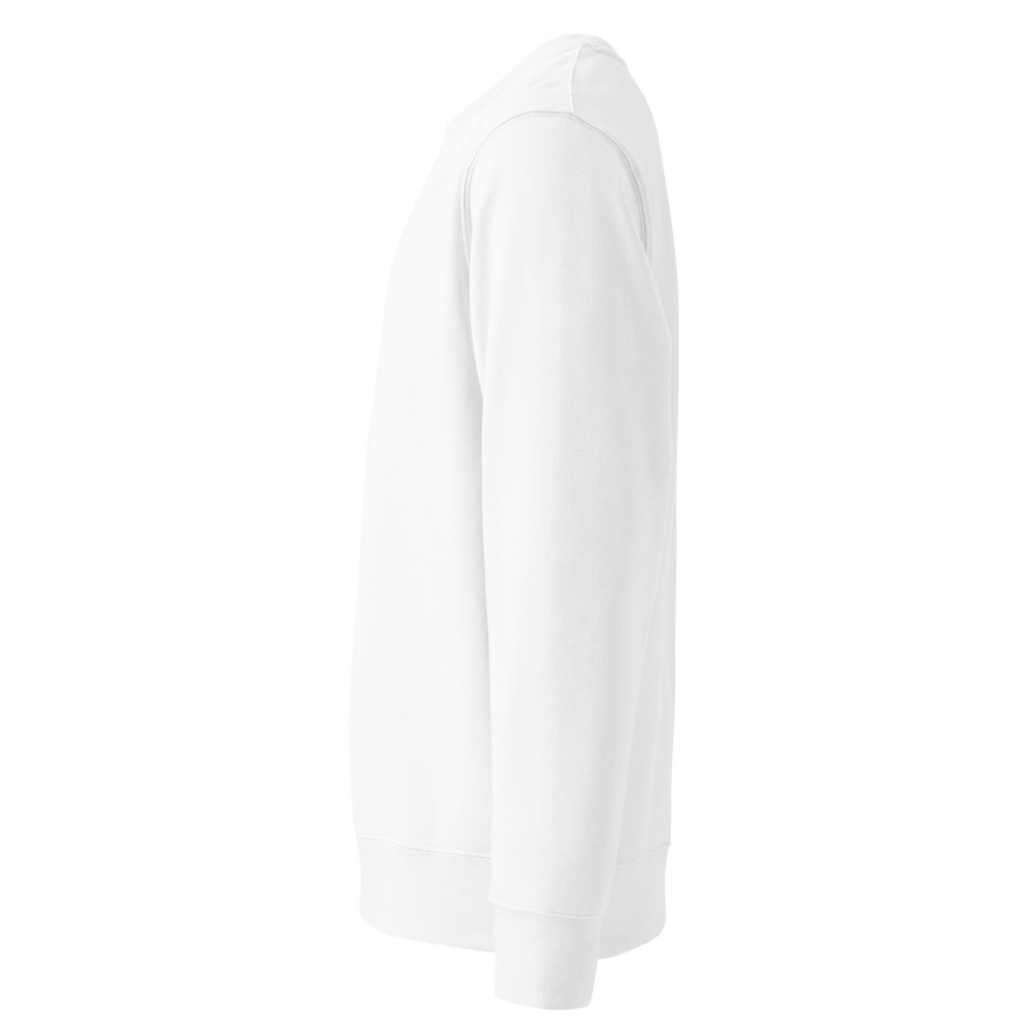
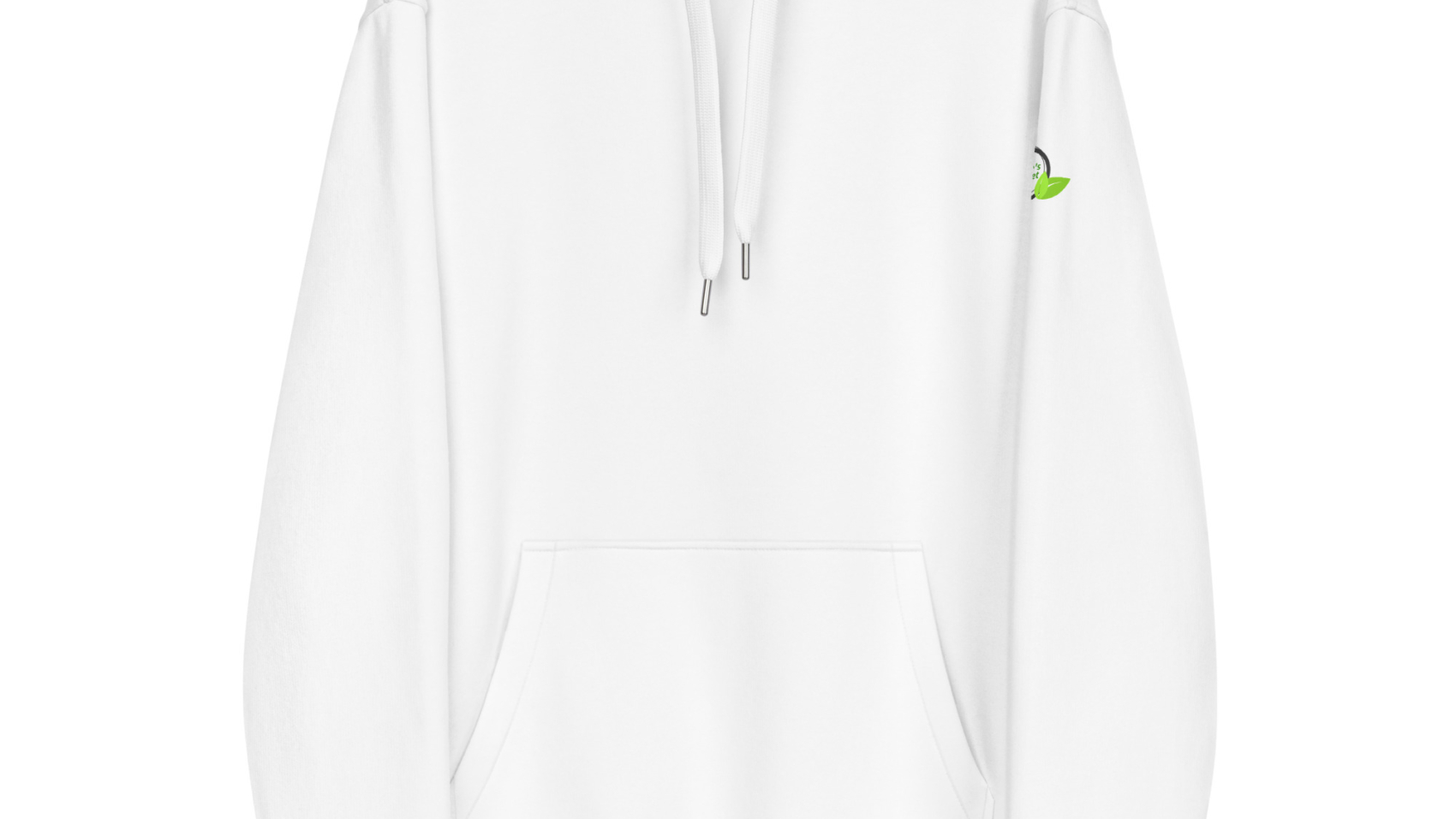
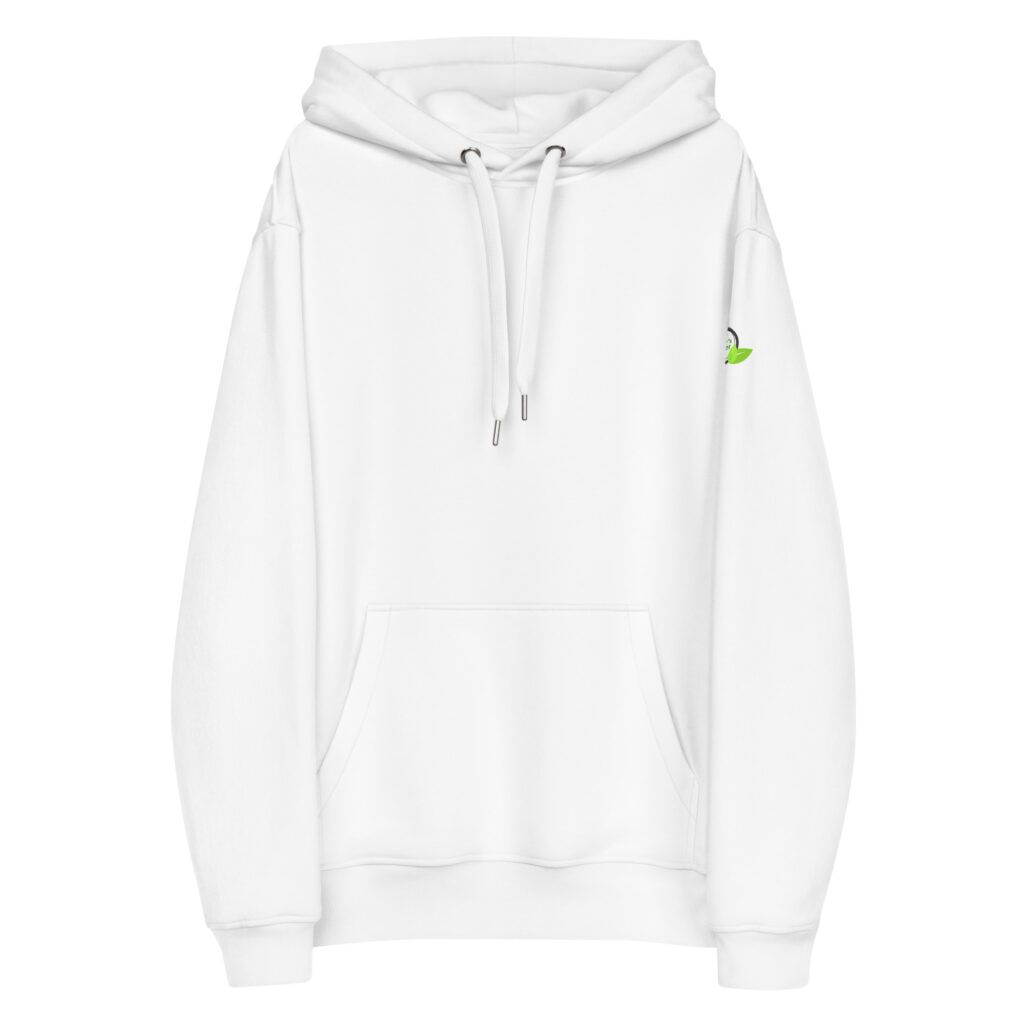
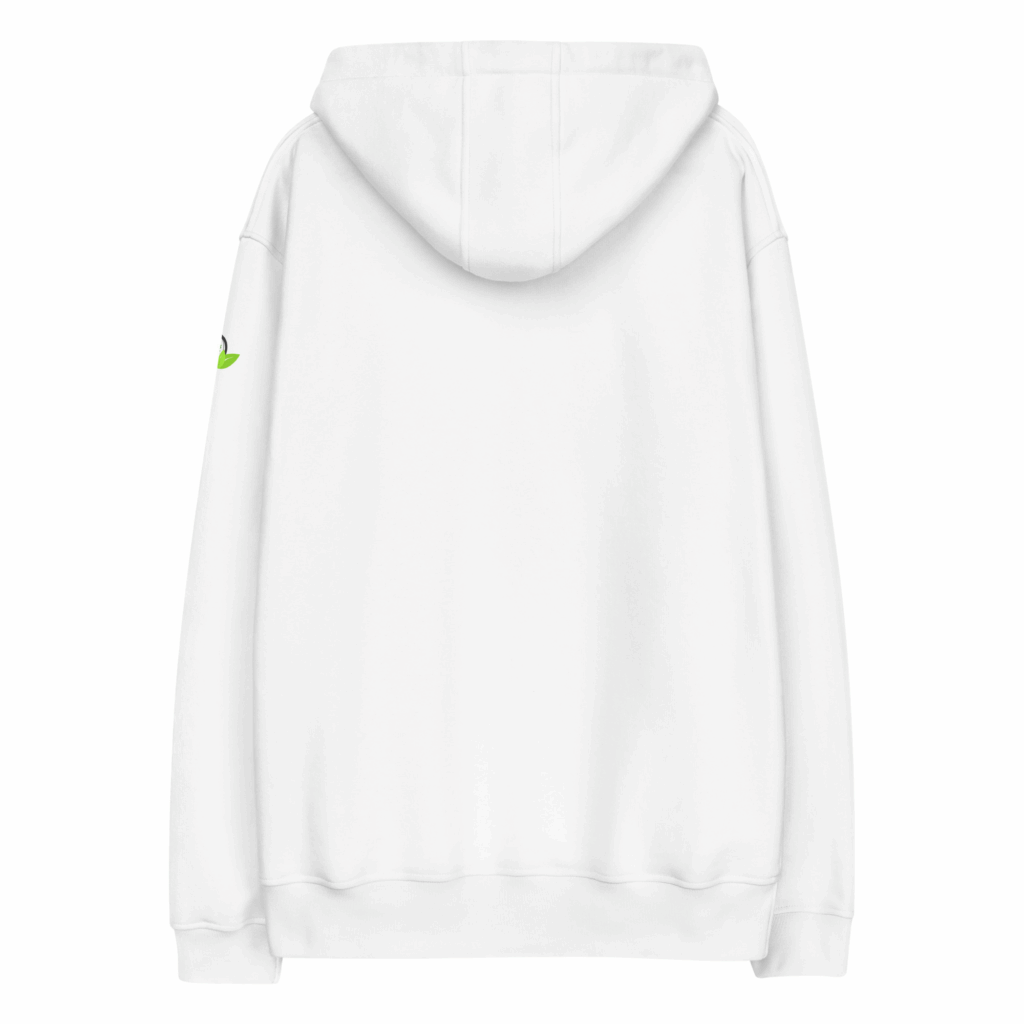
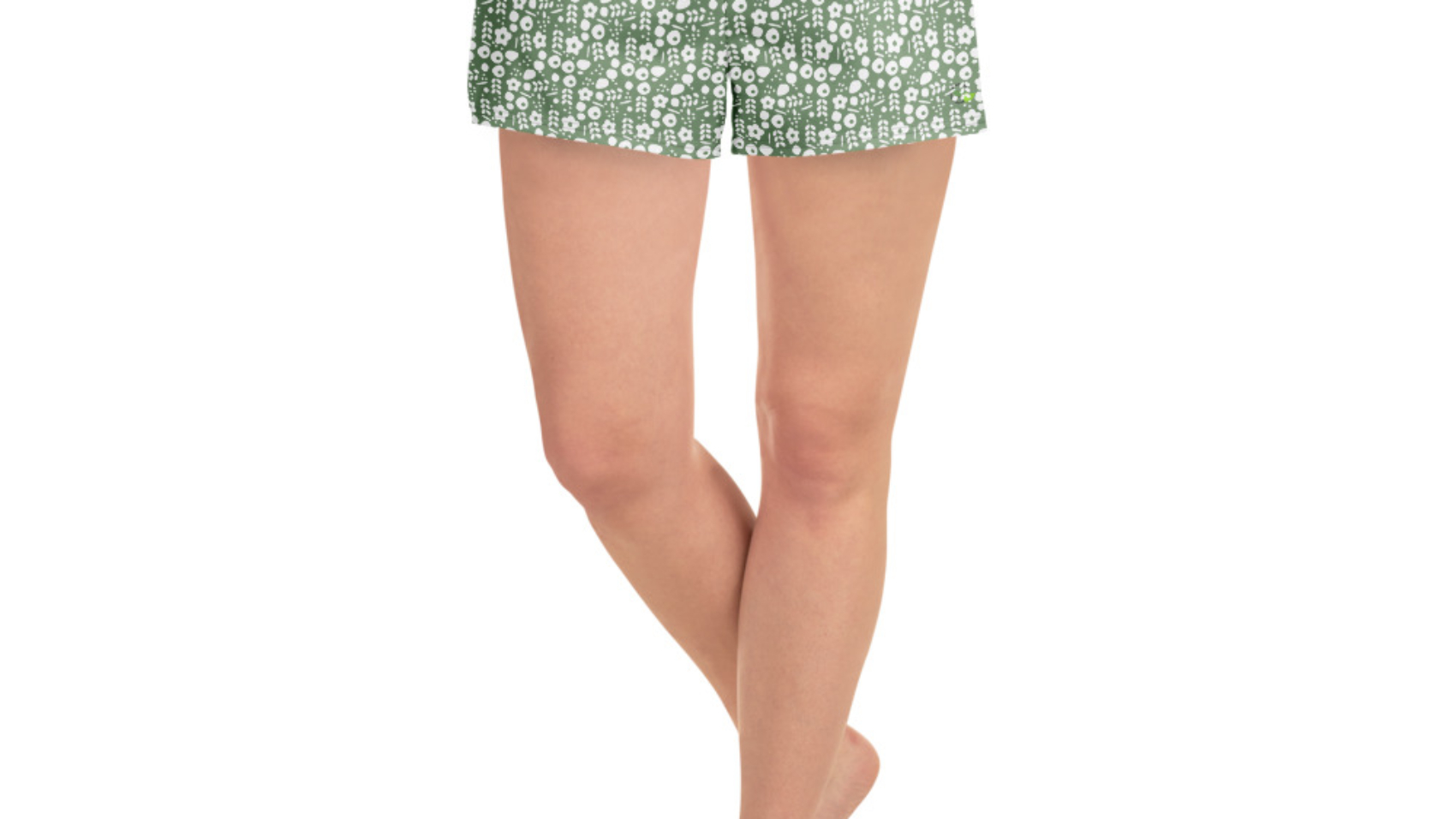
From recycled jerseys and hoodies to eco-conscious activewear and accessories, the brand’s recycled line reflects a design-forward, practical approach to sustainable fashion.
It is built for:
- comfort and performance,
- everyday durability,
- inclusive, versatile styling,
- and responsible material choices.
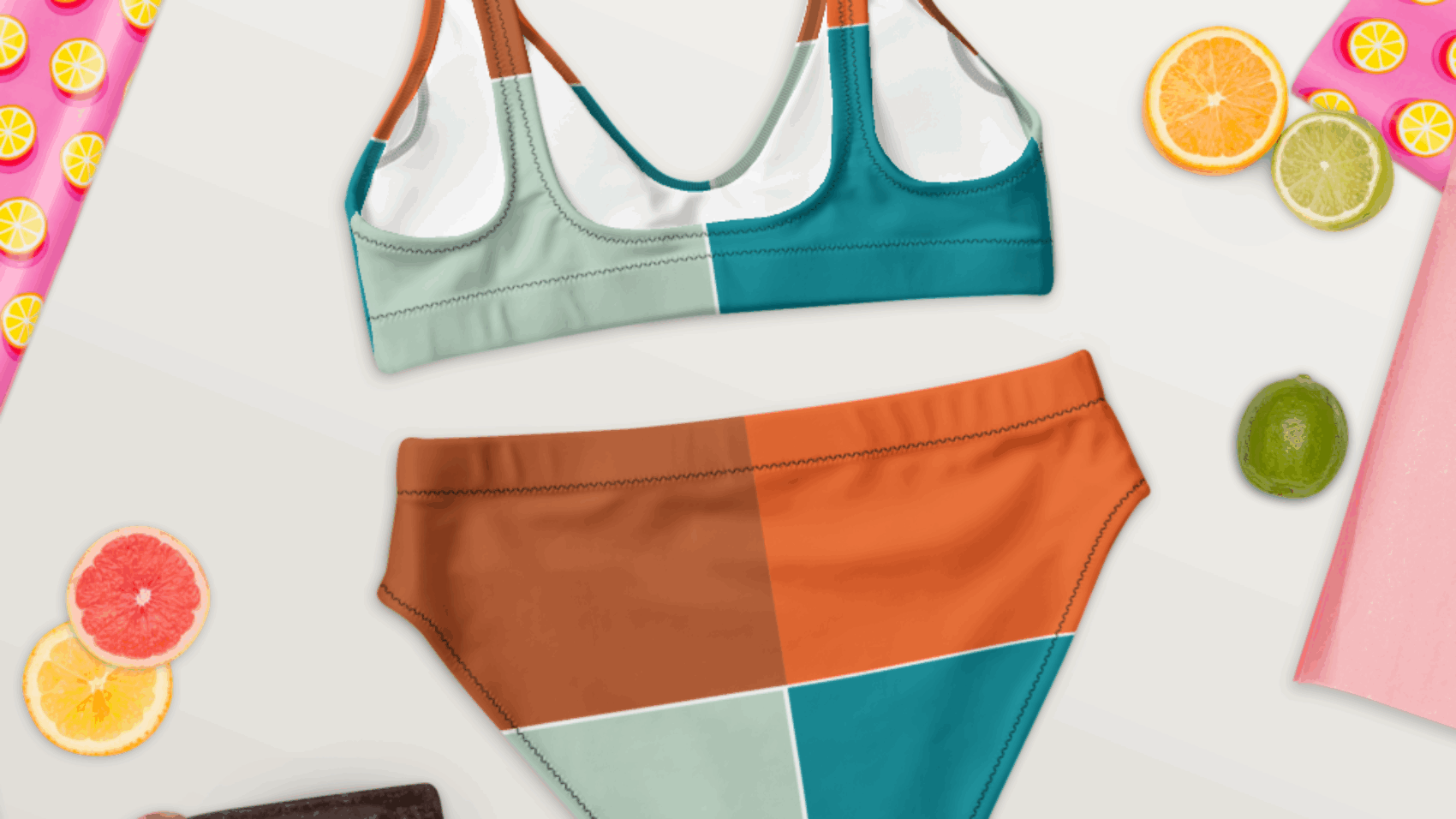
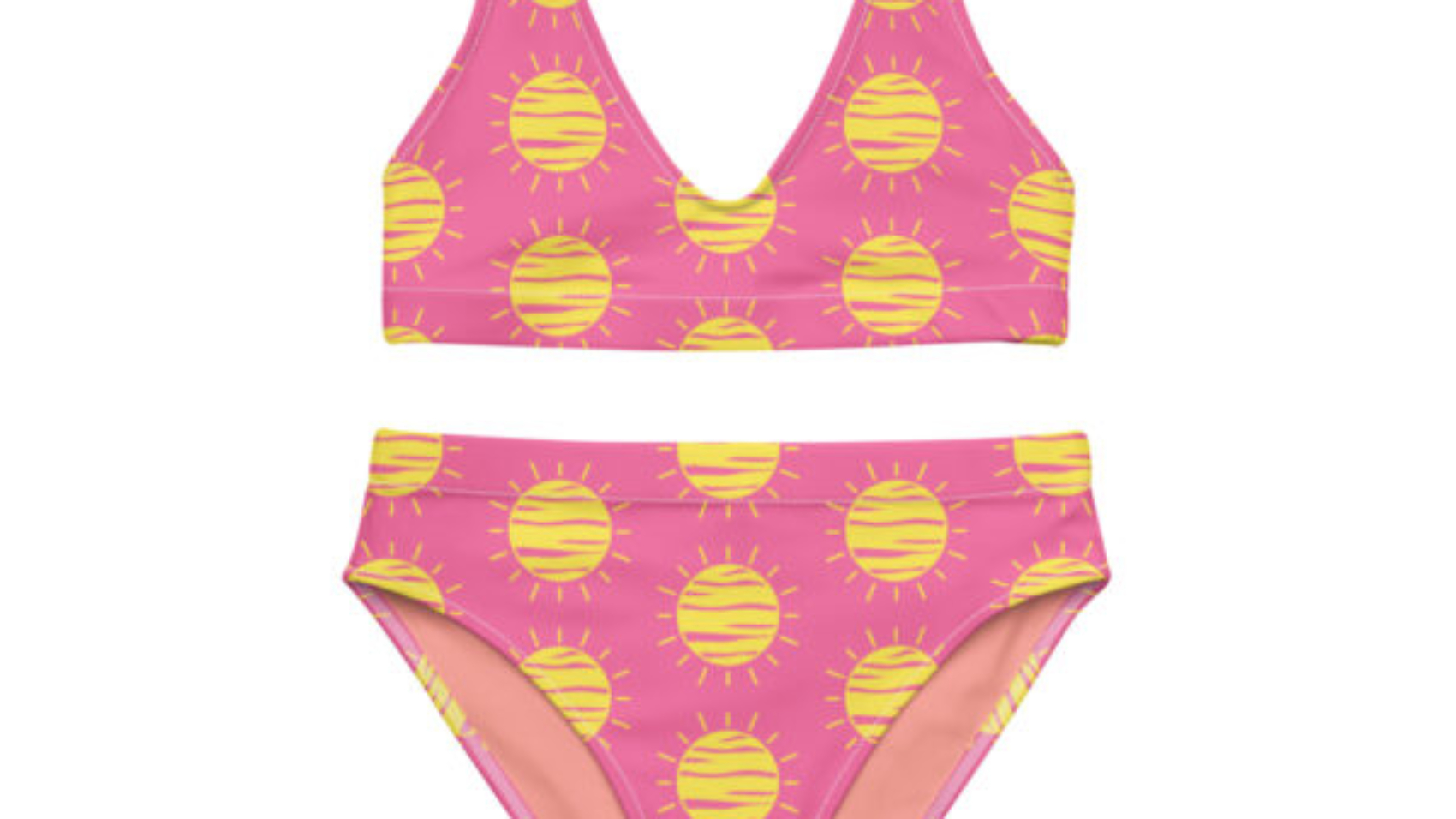
Whether you are shopping for recycled sportswear, eco hoodies, athleisure pieces, or recycled swimwear, Nature’s Sunset provides a growing range for people who care how their clothing is made — without compromising personal style.
Browse the full recycled clothing collection here:
👉 https://naturessunset.com/product-category/natures-sunset-recycled-clothing/
Beyond Fashion: A Complete Conscious Lifestyle Brand
What truly differentiates Nature’s Sunset is how recycled clothing connects with the rest of its eco-focused product ecosystem.
Alongside its apparel collections, the brand offers:
Clean & Conscious Beauty
Nature’s Sunset’s beauty collection features:
- 100% vegan and cruelty-free formulas
- fragrance-free and sensitive-skin-friendly products
- formulations free of parabens, sulfates, phthalates, mineral oils, and synthetic fragrances
From hydrating toners and daily moisturizers to gentle face and body cleansers, the skincare line supports both skin health and environmental responsibility.
Sustainable Home Goods
The brand’s home collections extend sustainability into daily living, including organic cotton kitchen accessories, biodegradable phone cases made from plant-based polymers and bamboo fibers, and eco-designed décor pieces that minimize plastic use.
Coffee & Wellness
Nature’s Sunset also offers responsibly roasted coffee collections produced in the USA, as well as wellness products such as multivitamin gummies and whey isolate protein supplements — supporting everyday health within the same conscious-consumption philosophy.
Together, these categories create a unified, sustainable lifestyle platform rather than a fragmented product catalog.
Looking Ahead
In 2026, recycled clothing is no longer defined by experimentation. It is being reshaped by enforceable regulation, industrial partnerships, advanced fiber technologies, and rising expectations around ethical production and transparency.
Brands that invest in credible materials, accountable supply chains, and honest communication will lead the next generation of sustainable commerce.
This Nature’s Sunset Article reflects a simple and powerful reality:
Recycled clothing is not a trend.
It is becoming a core building block of how responsible brands — and responsible consumers — will shape the future of fashion and everyday living.