images

Nature’s Sunset’s Commitment to Sustainable and Ethical Fashion, including the Top Selling Nature’s Sunset Unisex Athletic Shorts: Eco-Friendly, Comfortable, and Versatile

In today’s world, the demand for eco-conscious and sustainable products is on the rise. As more individuals become aware of the environmental impact of their consumer choices, brands like Nature’s Sunset are stepping up to provide alternatives that align with these values. Known for their commitment to producing 100% vegan, cruelty-free, and environmentally friendly products, Nature’s Sunset is leading the charge toward a more sustainable fashion future.

Sustainable Fashion: The Benefits of Choosing Recycled Clothing
In recent years, the fashion industry has seen a shift toward sustainability. The use of recycled materials, eco-friendly designs, and vegan alternatives has become more widespread, and Nature’s Sunset is at the forefront of this movement. The brand’s clothing, including their signature Unisex Athletic Shorts, is crafted from recycled polyester, reducing the need for virgin materials and promoting the recycling of existing resources. This innovative approach not only minimizes waste but also helps conserve natural resources.

Recycled clothing has numerous benefits, including reducing the environmental impact of traditional textile manufacturing, which often involves high water usage, toxic chemicals, and excessive waste. By choosing brands like Nature’s Sunset, consumers are supporting the reduction of carbon emissions and the creation of a circular fashion economy.

The shorts are not only practical but also represent the future of activewear—one that prioritizes both functionality and environmental responsibility. Available in a range of sizes and styles, Nature’s Sunset ensures that everyone can find the perfect pair for their active lifestyle.

The Future of Fashion: How Recycled Clothing is Shaping a Sustainable Wardrobe
The future of fashion lies in the integration of recycled materials and sustainable practices throughout the entire production process. Nature’s Sunset is pioneering this shift, showcasing how the fashion industry can evolve to meet both consumer needs and environmental goals. By using eco-friendly design and packaging, the brand ensures that every aspect of its products—from creation to delivery—aligns with sustainability principles.

Choosing recycled clothing doesn’t just mean opting for a more sustainable option; it’s about making a conscious choice to reduce waste, support ethical labor practices, and contribute to the global effort against climate change. As the demand for these products continues to rise, more brands are expected to follow Nature’s Sunset’s lead in creating eco-friendly, vegan, and cruelty-free fashion.

The Eco-Friendly Revolution in Fashion: Embracing Recycled Clothing
The move toward recycled clothing is more than just a trend—it’s a movement that’s reshaping the fashion industry. With brands like Nature’s Sunset leading the way, consumers now have the opportunity to embrace style that is kind to the planet. By choosing recycled materials, we’re not only helping to reduce the environmental impact of textile production but also supporting a more sustainable future for the fashion industry as a whole.

At Nature’s Sunset, each product is designed with purpose. The brand’s recyclable packaging ensures that every element of their product’s lifecycle is aligned with environmental sustainability. Whether you’re purchasing a pair of their Unisex Athletic Shorts or exploring their wide range of fashion-forward items, you can feel good knowing that your choices are contributing to a greener, more sustainable world.

sustainable-fashion-the-benefits-of-choosing-recycled-clothing.jpg

Sustainable Fashion: The Benefits of Choosing Recycled Clothing

Sustainable Fashion: The Benefits of Choosing Recycled Clothing

In recent years, the fashion industry has been undergoing a significant transformation, driven by a growing awareness of environmental issues and the need for sustainable practices. One of the most effective ways to contribute to a greener planet is through the adoption of recycled clothing. This article explores the various benefits of choosing recycled clothing, the importance of eco-friendly practices, and how we can all play a part in fostering a more sustainable future.

The Environmental Impact of Traditional Fashion

The traditional fashion industry has long been criticized for its detrimental impact on the environment. From the excessive use of water and chemicals in production to the massive amounts of waste generated by fast fashion, the consequences are staggering. According to the Ellen MacArthur Foundation, the fashion industry is responsible for 10% of global carbon emissions. This figure emphasizes the urgent need for a shift towards sustainable practices.

What is Recycled Clothing?

Recycled clothing is made from materials that have been repurposed from discarded textiles, reducing the need for new resources. This not only helps to minimize waste but also lowers the carbon footprint associated with clothing production. By utilizing pre-existing materials, brands that focus on recycled clothing contribute to a circular economy, where products are reused and repurposed rather than discarded.

Benefits of Choosing Recycled Clothing

1. Reducing Waste

One of the most significant benefits of recycled clothing is its ability to reduce textile waste. In the United States alone, approximately 11.3 million tons of textile waste are generated each year. By choosing recycled clothing, consumers can help divert these materials from landfills, where they would otherwise contribute to environmental degradation.

2. Lowering Carbon Emissions

Production processes for traditional clothing often involve high levels of carbon emissions due to the extraction and processing of raw materials. Recycled clothing significantly reduces these emissions by utilizing existing fibers and materials. This shift contributes to a lower overall carbon footprint, making a positive impact on climate change.

3. Conserving Resources

Producing new clothing typically requires vast amounts of water, energy, and raw materials. For instance, growing cotton, a common fabric, consumes enormous quantities of water. In contrast, recycled clothing conserves these precious resources by repurposing existing materials, which is crucial as we face increasing water shortages globally.

4. Supporting Eco-Friendly Brands

By choosing recycled clothing, consumers can support brands that prioritize sustainability and ethical practices. Many companies that manufacture recycled clothing are committed to environmentally friendly operations, ensuring that their production processes are as green as possible. This support encourages more brands to adopt sustainable practices, creating a ripple effect throughout the industry.

5. Promoting a Circular Economy

The concept of a circular economy focuses on reducing waste and continually repurposing materials. By choosing recycled clothing, consumers contribute to this model, helping to create a system where products are reused, repaired, and recycled rather than discarded. This shift is essential for fostering a more sustainable future.

Understanding Organic and Biodegradable Materials

In addition to recycled clothing, the fashion industry is increasingly embracing organic and biodegradable materials. Organic fabrics, such as cotton and linen, are grown without harmful pesticides or synthetic fertilizers, making them a healthier choice for both the environment and consumers. Biodegradable materials, on the other hand, can break down naturally over time, reducing the long-lasting impact of waste.

The Role of Unisex EcoSmart® Clothing

Unisex EcoSmart® clothing represents an innovative direction in sustainable fashion. This line of clothing is designed to be inclusive, catering to various body types and sizes while maintaining a commitment to eco-friendliness. By offering unisex options, brands can reduce the number of garments produced and encourage a more sustainable approach to fashion choices.

How to Incorporate Recycled Clothing into Your Wardrobe

Incorporating recycled clothing into your wardrobe is easier than ever, thanks to the growing number of brands and retailers offering sustainable options. Here are some tips to help you get started:

1. Research Sustainable Brands

Start by researching brands that focus on recycled clothing and sustainable practices. Look for companies that prioritize transparency in their production processes and source materials responsibly.

2. Thrift and Second-Hand Shopping

Thrifting is a fantastic way to find unique pieces while contributing to a circular economy. By purchasing second-hand clothing, you help extend the life of garments and reduce the demand for new production.

3. Educate Yourself on Fabrics

Understanding the different types of fabrics and their environmental impact can help you make informed choices. Look for clothing made from recycled materials, organic fibers, or biodegradable fabrics.

4. Host Clothing Swaps

Organizing a clothing swap with friends or family is a fun way to refresh your wardrobe without contributing to fast fashion. This practice promotes sustainability by encouraging the exchange of items rather than purchasing new ones.

5. Invest in Quality over Quantity

Instead of buying numerous low-quality pieces, invest in high-quality recycled clothing that will last longer. This approach not only supports sustainable practices but also saves you money in the long run.

The Future of Recycled Clothing

The future of fashion lies in the hands of consumers who demand sustainable practices. As more people become aware of the benefits of recycled clothing, the industry will continue to evolve. Innovations in technology and materials will further enhance the potential for recycled clothing, making it an increasingly viable option.

1. Advances in Recycling Technology

Innovations in recycling technology are paving the way for more efficient processes in the textile industry. New methods of recycling fibers and materials are being developed, allowing for higher quality and more versatile products made from recycled sources.

2. Increased Consumer Awareness

As consumers become more educated about the impact of their choices, the demand for sustainable clothing will rise. This trend encourages brands to prioritize eco-friendly practices and transparency in their production processes.

3. Government Regulations and Support

Governments around the world are beginning to recognize the importance of sustainable practices in the fashion industry. Increased regulations and support for eco-friendly initiatives will further drive the shift towards recycled clothing and sustainable fashion.

Conclusion

Choosing recycled clothing is a powerful way to contribute to a more sustainable future. By supporting eco-friendly brands, understanding the benefits of organic and biodegradable materials, and incorporating recycled clothing into our wardrobes, we can all play a part in reducing waste and minimizing our environmental impact. As the fashion industry continues to evolve, embracing recycled clothing will be essential for creating a more sustainable world.

all-over-print-unisex-athletic-shorts-white-left-67cefd05d86d7.jpg

Embrace Sustainable Activewear with Nature’s Sunset Unisex Athletic Shorts: Recycled Polyester, Eco-Friendly Design, and Ultimate Comfort for Every Activity – Choose Your Perfect Pair Today!

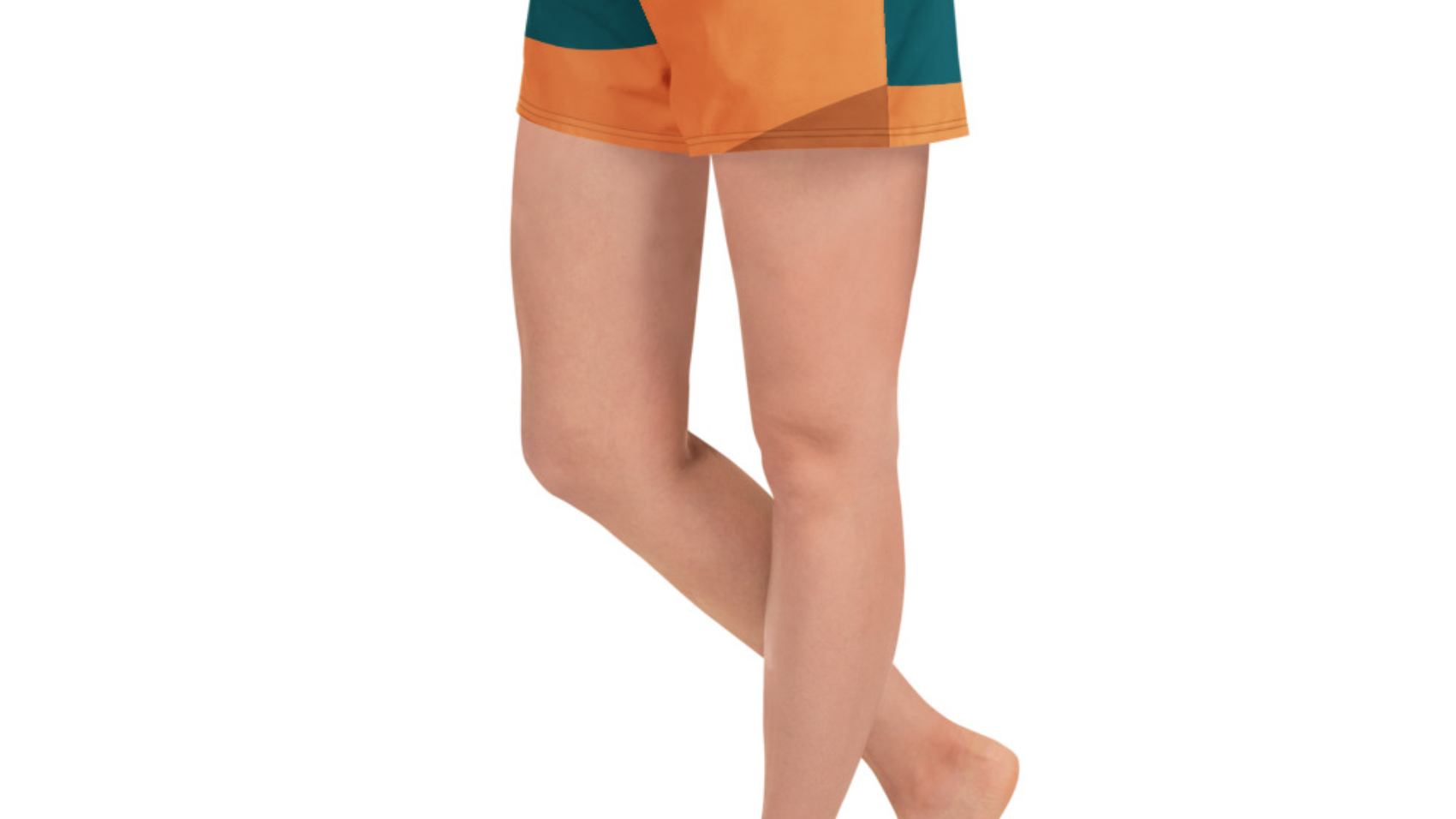
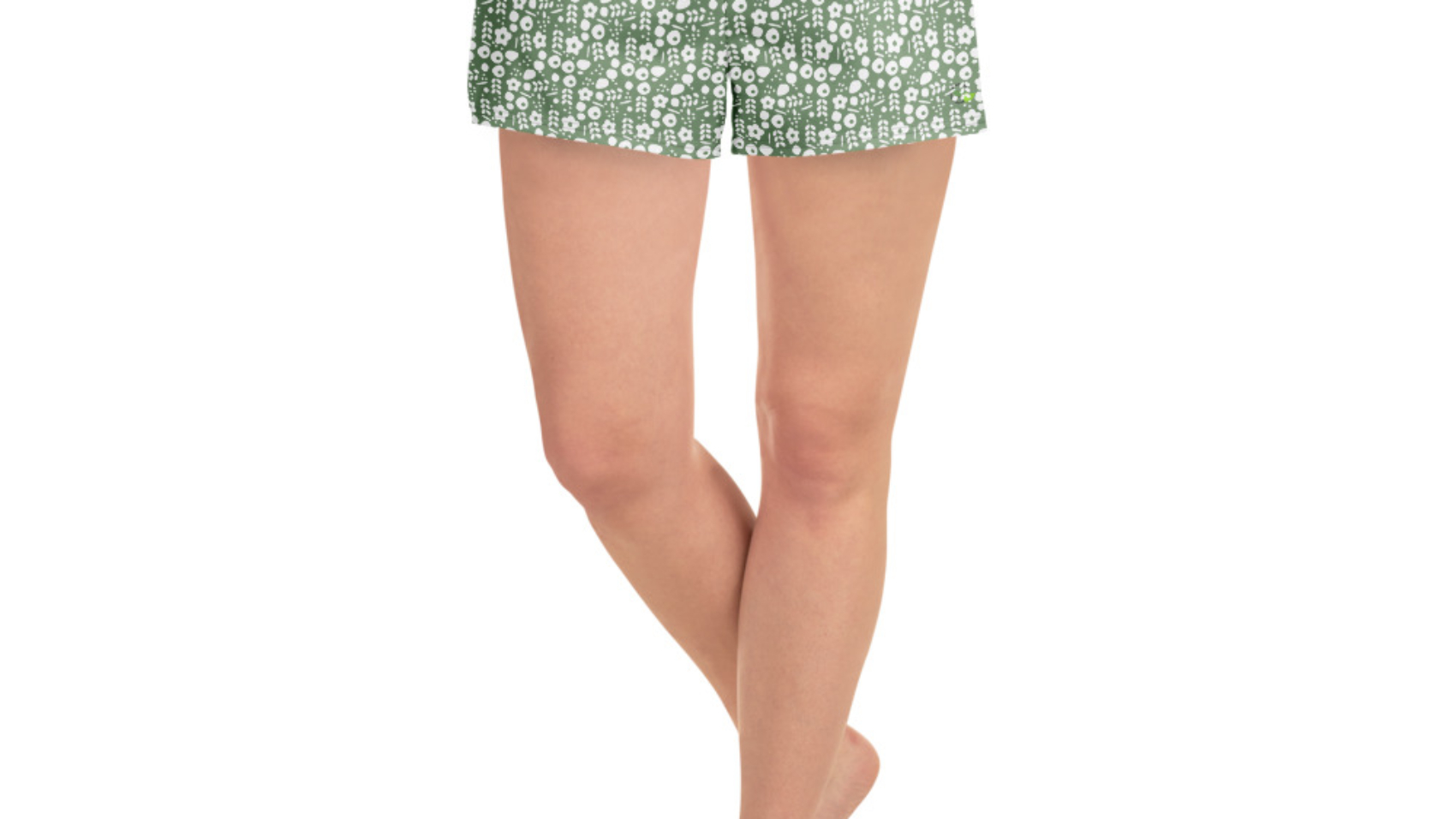
Introducing the Nature’s Sunset Unisex Athletic Shorts Collection, a game-changer in eco-friendly activewear. Crafted with sustainability in mind, these athletic shorts are made from 91% recycled polyester and 9% spandex, providing both comfort and performance while helping to reduce environmental impact. With a fabric weight of 5.13 oz. per yard² (174 g/m²), these shorts are durable, breathable, and perfect for a variety of activities.

Designed to adapt to your active lifestyle, these shorts feature a four-way stretch moisture-wicking microfiber fabric that ensures you stay cool and dry, whether you’re running, doing yoga, or even taking a quick swim. The water-repellent, quick-dry material makes them an excellent choice for all water-based activities, and their UPF50+ protection helps shield your skin from harmful UV rays.

The Nature’s Sunset shorts come with a comfortable elastic waistband, a flat white drawstring for a customizable fit, and mesh side pockets to store small essentials. The 2.5-inch inseam offers the perfect balance between coverage and freedom of movement, ensuring that you can perform your best without any distractions.

Handcrafted by our expert in-house team, these shorts are printed, cut, and sewn with attention to detail. The fabric is OEKO-TEX Standard 100 certified and Global Recycled Standard (GRS) certified, giving you peace of mind knowing that these shorts are made using environmentally responsible practices.

Perfect for spring and summer, the Nature’s Sunset Athletic Shorts allow you to express your creativity by adding your own designs, but we recommend avoiding large white areas, as they may become see-through when wet.

Made to order with no minimums, these shorts offer a stylish, sustainable, and versatile option for any active lifestyle. Plus, with the use of recycled polyester (rPET), the production of these shorts uses 33% to 53% less energy than creating virgin polyester and generates 54.6% fewer CO2 emissions, helping reduce your carbon footprint.

So why wait? Choose your pair today and take the step towards a more eco-friendly activewear collection. Together, we can help keep plastic waste out of landfills and move towards a more sustainable future.

Product Features:

  • 91% recycled polyester, 9% spandex
  • Four-way stretch moisture-wicking microfiber fabric
  • Breathable, fast-drying material
  • UPF50+ protection
  • Elastic waistband with flat white drawstring
  • Mesh side pockets
  • 2.5-inch inseam
  • Fabric is OEKO-TEX Standard 100 and GRS certified
  • Printed, cut, and hand-sewn by our expert team

Care Tips:

  • To prevent see-through spots, avoid large white areas in your design.
  • This item may release plastic microfibers during washing.

Product Code: #305

Join the movement for a sustainable, stylish activewear experience with Nature’s Sunset Unisex Athletic Shorts!

the-future-of-fashion-how-recycled-clothing-is-shaping-a-sustainable-wardrobe.jpg

The Future of Fashion: How Recycled Clothing is Shaping a Sustainable Wardrobe

The Future of Fashion: How Recycled Clothing is Shaping a Sustainable Wardrobe

The fashion industry has long been criticized for its environmental impact. With the rise of fast fashion, the consequences of our clothing consumption have become increasingly evident. However, a new wave of sustainability is sweeping through the industry, and at the forefront of this movement is recycled clothing. This article explores how recycled clothing is changing the landscape of fashion, making it more eco-friendly, organic, and accessible for everyone.

Understanding Recycled Clothing

Recycled clothing refers to garments that have been made from post-consumer textile waste. Instead of ending up in landfills, these materials are repurposed and transformed into new clothing. This process not only reduces waste but also conserves resources by minimizing the need for new raw materials. By utilizing recycled materials, brands can significantly lower their carbon footprint and promote a more sustainable approach to fashion.

The Benefits of Recycled Clothing

There are numerous benefits to choosing recycled clothing over traditional garments:

  • Environmental Impact: By opting for recycled clothing, consumers contribute to reducing textile waste and lowering pollution levels associated with manufacturing processes.
  • Resource Conservation: Recycling textiles saves water, energy, and other resources that would otherwise be used in the production of new materials.
  • Unique Styles: Many recycled clothing brands offer one-of-a-kind pieces, allowing consumers to express their individuality while making sustainable choices.

Eco-Friendly Fabrics and Organic Materials

In addition to recycled materials, many sustainable brands are also turning to eco-friendly fabrics and organic materials. These fabrics are produced without harmful chemicals and often require less water and energy during their production. Some popular eco-friendly fabrics include:

  • Bamboo: A fast-growing plant that requires minimal water and no pesticides, bamboo is a sustainable option for clothing.
  • Organic Cotton: Grown without synthetic fertilizers or pesticides, organic cotton is better for the environment and for the health of farmers.
  • Hemp: Hemp is a highly sustainable crop that grows quickly and requires little water. It is also naturally resistant to pests, reducing the need for chemicals.

Biodegradable Options

Aside from recycled and eco-friendly fabrics, biodegradable clothing is another exciting innovation in the sustainable fashion world. Biodegradable clothing is designed to break down naturally over time, minimizing its environmental impact. This is particularly important as the average consumer discards around 80 pounds of clothing each year. When biodegradable materials are sent to a landfill, they decompose much faster than traditional synthetic materials, which can take hundreds of years to break down.

Sizes and Accessibility in Sustainable Fashion

Sustainable fashion is often criticized for being less accessible to a diverse range of body types. However, many brands are now recognizing the importance of inclusivity and are expanding their size ranges. This change is crucial in making eco-friendly clothing available to a broader audience.

Unisex clothing options, such as the Unisex EcoSmart® collection, provide a versatile alternative that caters to various body shapes and sizes. By promoting unisex collections, brands can reduce overproduction and waste while offering stylish options for all consumers.

Shopping for Recycled Clothing

As more consumers become aware of the environmental impact of their clothing choices, the demand for recycled and sustainable options continues to grow. Here are some tips for shopping for recycled clothing:

  • Research Brands: Look for brands that prioritize sustainability and transparency in their production processes. Many companies now highlight their use of recycled materials on their websites.
  • Check Labels: Familiarize yourself with eco-friendly certifications, such as GOTS (Global Organic Textile Standard) or OEKO-TEX, to ensure you are making responsible choices.
  • Support Local Businesses: Many local thrift shops and second-hand stores offer a wide range of recycled clothing options at affordable prices.

The Future of Sustainable Fashion

The future of fashion is undeniably leaning towards sustainability. As more consumers demand eco-friendly options, brands are responding by adopting practices that prioritize the environment. The rise of recycled clothing is a testament to this shift, showcasing how creativity and responsibility can coexist in the fashion industry.

As we move forward, it’s essential for consumers to continue advocating for sustainable practices and to support brands that prioritize the planet. By choosing recycled clothing, we not only make a positive impact on the environment but also encourage the industry to innovate and evolve.

Conclusion

In conclusion, recycled clothing is more than just a trend; it represents a significant shift in the fashion industry towards sustainability. With the help of eco-friendly materials, biodegradable options, and a focus on inclusivity, we can work towards a future where fashion is both stylish and responsible. By making conscious choices and supporting brands that prioritize sustainability, we can all play a part in creating a more eco-friendly world.

the-eco-friendly-revolution-in-fashion-embracing-recycled-clothing.jpg

The Eco-Friendly Revolution in Fashion: Embracing Recycled Clothing

The Eco-Friendly Revolution in Fashion: Embracing Recycled Clothing

In recent years, the fashion industry has faced significant scrutiny for its environmental impact. From water pollution to excessive waste, the traditional clothing production process has proven to be unsustainable. As a result, many consumers are now seeking out eco-friendly alternatives. One of the most promising solutions is recycled clothing, which not only helps to reduce waste but also promotes a more sustainable approach to fashion.

Understanding Recycled Clothing

Recycled clothing refers to garments that are made from post-consumer waste, such as old clothing, textiles, and other materials that would otherwise end up in landfills. By repurposing these materials, manufacturers can create new clothing items while minimizing the need for virgin resources. This process not only conserves energy and water but also reduces greenhouse gas emissions associated with traditional clothing production.

The Benefits of Recycled Clothing

There are numerous benefits to choosing recycled clothing over conventional garments:

  • Environmental Impact: By using recycled materials, the fashion industry can significantly decrease its carbon footprint. This is crucial as we face the challenges of climate change and environmental degradation.
  • Waste Reduction: The fashion industry is notorious for its wastefulness. By opting for recycled clothing, consumers can help reduce the amount of textile waste generated each year.
  • Resource Conservation: Producing new clothing requires a significant amount of natural resources. Recycled clothing helps to conserve these resources, making it a more sustainable choice.

Eco-Friendly Materials: The Building Blocks of Sustainable Fashion

Not all recycled clothing is created equal. The materials used to make these garments play a critical role in their overall sustainability. Here are some eco-friendly materials commonly found in recycled clothing:

Organic Cotton

Organic cotton is grown without the use of harmful pesticides and chemicals, making it a much safer option for the environment. When recycled, organic cotton can be transformed into new clothing items that are both stylish and sustainable.

Recycled Polyester

Recycled polyester is made from post-consumer plastic bottles and other plastic waste. This innovative fabric not only helps to reduce plastic pollution but also offers a durable and versatile option for clothing manufacturers.

Biodegradable Fabrics

Some recycled clothing brands are now using biodegradable fabrics made from natural materials like hemp and linen. These fabrics break down more easily in the environment, making them a preferable choice for eco-conscious consumers.

Sizes and Inclusivity in Recycled Clothing

One of the challenges faced by the fashion industry is inclusivity. Many recycled clothing brands are taking steps to provide a wider range of sizes to accommodate all body types. This shift toward inclusivity is crucial for making sustainable fashion accessible to everyone.

Unisex EcoSmart® Clothing

A growing trend in the fashion industry is the creation of unisex clothing lines. Unisex EcoSmart® garments are designed to be worn by anyone, regardless of gender. These clothing items are often made with recycled materials and promote a more sustainable approach to fashion.

The Role of Brands in Promoting Recycled Clothing

Branding plays a significant role in the acceptance and popularity of recycled clothing. Many companies are embracing their commitment to sustainability by highlighting their eco-friendly practices:

  • Transparency: Brands that openly share their production processes and material sourcing are more likely to earn consumer trust.
  • Education: Informing consumers about the benefits of recycled clothing can help shift perceptions and encourage more sustainable purchasing habits.
  • Community Engagement: Brands that engage with their customers on sustainability issues often foster a loyal community of like-minded individuals.

How to Incorporate Recycled Clothing into Your Wardrobe

Transitioning to a more sustainable wardrobe doesn’t have to be overwhelming. Here are some tips for incorporating recycled clothing into your everyday style:

Start Small

If you’re new to recycled clothing, start by adding a few key pieces to your wardrobe. Look for items that can easily be mixed and matched with your existing clothing.

Research Brands

Take the time to research brands that align with your values. Look for those that prioritize sustainability and transparency in their practices.

Shop Secondhand

Shopping at thrift stores or online resale platforms is another great way to embrace recycled clothing. Not only will you find unique pieces, but you’ll also be giving new life to garments that may have otherwise gone to waste.

The Future of Recycled Clothing

The future of fashion is undoubtedly leaning toward sustainability. As consumers continue to demand eco-friendly options, brands will be forced to adapt and innovate. The rise of recycled clothing is just the beginning of a larger movement toward a more sustainable fashion industry.

Innovations on the Horizon

As technology advances, we can expect to see more innovations in the recycled clothing sector. From improved recycling techniques to new eco-friendly materials, the possibilities are endless. Brands that embrace these innovations will not only benefit the environment but also capture the attention of a growing base of eco-conscious consumers.

Conclusion

The rise of recycled clothing marks a significant turning point in the fashion industry. By choosing eco-friendly options, consumers can play a vital role in promoting sustainability and reducing waste. As we move forward, it is crucial that we continue to support brands that prioritize environmental responsibility and inclusivity. Together, we can create a more sustainable future for fashion.

Join the Movement

Are you ready to embrace recycled clothing? Start by making informed choices about your wardrobe and supporting brands that are committed to sustainability. Every small step counts in the journey toward a more eco-friendly fashion industry.

Recycled Clothing: Giving New Life to Old Fabrics

Recycled Clothing: Giving New Life to Old Fabrics

## Weaving a New Thread: The Rise of Recycled, Vegan, and Circular Fashion

The fashion industry, known for its fast-paced trends and disposable culture, is undergoing a significant transformation. Driven by growing environmental awareness and ethical concerns, consumers are increasingly demanding transparency and sustainability. This shift is giving rise to a new era of eco-conscious clothing, characterized by keywords like “recycled clothing,” “100% vegan,” “cruelty-free,” “circular fashion,” “upcycling,” “eco-friendly fashion,” and “sustainable fashion.”

Gone are the days when ethical fashion meant compromising on style. Today, innovative brands are proving that sustainability can be both chic and conscientious. From recycled materials to plant-based alternatives, the options for building a guilt-free wardrobe are expanding rapidly.

One of the most impactful ways to reduce the environmental footprint of fashion is by utilizing recycled materials. Brands like Patagonia and Everlane have championed this approach, using recycled polyester derived from plastic bottles and discarded fishing nets to create durable and stylish apparel.

Example:

Patagonia’s Re\Collection line uses 100% recycled materials, diverting waste from landfills and reducing the demand for virgin resources. Their website showcases jackets made from recycled nylon and fleece pullovers made from recycled polyester.

100% Vegan & Cruelty-Free: Fashion Without Harm

The rise of veganism extends beyond the dinner plate and into our closets. “Cruelty-free” and “100% vegan” labels guarantee that no animals were harmed in the production of the garment, eliminating the use of leather, wool, fur, and silk.

Example:

Matt & Nat offers a wide range of vegan handbags and accessories crafted from recycled materials like nylon, cork, and rubber. Their commitment to ethical production extends to their linings, which are made from 100% recycled plastic bottles.

Circular Fashion: Closing the Loop

Circular fashion aims to minimize waste by designing clothes for durability, reuse, and recyclability. This model encourages renting, swapping, and reselling clothes, extending their lifespan and reducing the need for new production.

Example:

Rent the Runway allows users to rent designer clothing for a fraction of the retail price, promoting a circular model of consumption. Their platform enables consumers to access high-quality fashion without contributing to textile waste.

Upcycling: Transforming Trash into Treasure

Upcycling takes discarded materials and transforms them into unique, high-value products. This creative approach minimizes waste and gives new life to items that would otherwise end up in landfills.

Example:

Reformation utilizes deadstock fabrics – leftover materials from other fashion brands – to create limited-edition collections. This practice reduces textile waste and promotes unique, one-of-a-kind pieces.

Eco-Friendly & Sustainable Fashion: A Holistic Approach

The umbrella terms “eco-friendly fashion” and “sustainable fashion” encompass a broader range of practices, from using organic cotton and low-impact dyes to minimizing water usage and ensuring fair labor practices throughout the supply chain.

Example:

Eileen Fisher is committed to sustainable practices throughout their supply chain, using organic cotton, linen, and recycled materials. They also have a take-back program, allowing customers to return their old Eileen Fisher clothes for recycling or resale.

By embracing these principles – recycled materials, vegan alternatives, circularity, and upcycling – the fashion industry can move towards a more sustainable and ethical future. As consumers, we have the power to drive this change by supporting brands committed to these values and making conscious choices about the clothes we buy and wear. This shift towards mindful consumption is not just a trend; it’s a necessary evolution towards a more responsible and stylish future for fashion.

100% vegan

## Fashioning a Future: The Rise of 100% Vegan, Cruelty-Free, and Sustainable Clothing

The fashion industry is undergoing a radical transformation, driven by a growing awareness of its environmental and ethical impact. Consumers are increasingly demanding transparency and sustainability, leading to a surge in popularity for ,

cruelty-free

, and eco-conscious clothing options. This shift represents not just a trend, but a fundamental change in how we think about what we wear.

For decades, animal products like leather, wool, and silk have been staples in the fashion industry. However, the production of these materials often involves animal cruelty and contributes significantly to environmental degradation. The good news is that innovative alternatives are readily available, offering both style and sustainability.

The Power of Plant-Based Fashion:

clothing eliminates the use of any animal products. This encompasses everything from the fabrics themselves to the dyes and adhesives used in production. Plant-based materials like organic cotton, hemp, linen, and Tencel are gaining traction, offering breathable, durable, and often hypoallergenic alternatives to conventional fabrics. Innovations in material science have also led to the development of exciting new textiles like Piñatex (made from pineapple leaf fibers) and mushroom leather, which offer unique textures and aesthetics.

Cruelty-Free: Beyond Materials:

While veganism focuses on the absence of animal products,

cruelty-free

goes a step further, encompassing the entire production process. This means ensuring that no animals are harmed or exploited at any stage, from sourcing raw materials to manufacturing and testing. Look for certifications like PETA-Approved Vegan to guarantee a truly cruelty-free product.

Recycling and Biodegradability: Closing the Loop:

The fashion industry is notorious for its waste generation.

Recycled clothing

offers a vital solution by diverting textile waste from landfills and reducing the demand for virgin materials. Clothing made from recycled plastic bottles, pre-consumer textile scraps, and even discarded fishing nets are becoming increasingly common.

Biodegradable

materials represent another crucial step towards circularity. These materials naturally decompose at the end of their life cycle, minimizing their environmental impact. While some plant-based fabrics are inherently biodegradable, others require specific conditions to break down. Look for information about a garment’s biodegradability and composting instructions.

Making Conscious Choices:

Choosing ,

cruelty-free

, and sustainable clothing isn’t just about following a trend; it’s about making a positive impact. Here’s how you can contribute:

Research Brands:

Look for brands that prioritize ethical and sustainable practices. Check their websites for information about their materials, production processes, and certifications.

Read Labels Carefully:

Pay attention to fabric composition, certifications, and care instructions.

Choose Quality over Quantity:

Invest in durable, well-made garments that will last longer and reduce your overall consumption.

Support Secondhand and Vintage:

Give pre-loved clothing a new life and reduce textile waste.

Advocate for Change:

Encourage brands to adopt more sustainable practices and support policies that promote ethical fashion.

By embracing ,

cruelty-free

,

recycled

, and

biodegradable

clothing options, we can collectively contribute to a more compassionate and sustainable future for the fashion industry and the planet. The future of fashion is not just about looking good, but also about doing good.

the-rise-of-recycled-clothing-a-sustainable-fashion-revolution.jpg

The Rise of Recycled Clothing: A Sustainable Fashion Revolution

The Rise of Recycled Clothing: A Sustainable Fashion Revolution

In recent years, the fashion industry has faced increasing scrutiny regarding its environmental impact. With the rise of fast fashion, the demand for inexpensive and trendy clothing has led to an alarming increase in waste, pollution, and resource depletion. In response to this crisis, a new trend has emerged that champions sustainability and eco-consciousness: recycled clothing.

What is Recycled Clothing?

Recycled clothing refers to garments made from pre-existing materials, which are repurposed to create new apparel. This process not only reduces the amount of waste sent to landfills but also lessens the need for virgin materials, ultimately conserving natural resources. The movement towards recycled clothing is not just a passing fad; it represents a fundamental shift in how we perceive fashion and its impact on the planet.

The Benefits of Recycled Clothing

There are numerous benefits to choosing recycled clothing over traditional garments. Here are some of the most significant advantages:

1. Eco-Friendly Production

One of the primary benefits of recycled clothing is its eco-friendly production process. By using discarded textiles, manufacturers can significantly reduce the environmental footprint associated with producing new fabrics. Recycled materials often require less water, energy, and chemical processing, making them a more sustainable choice.

2. Reduction of Waste

The fashion industry is notorious for generating waste. According to the Environmental Protection Agency (EPA), millions of tons of clothing are thrown away each year. By opting for recycled clothing, consumers can help divert textile waste from landfills and promote a circular economy.

3. Conservation of Resources

Producing new textiles often depletes natural resources, including water, oil, and land. Recycled clothing helps conserve these vital resources by reusing existing materials. This not only benefits the environment but also helps to create a more sustainable future for generations to come.

4. Unique and Stylish Options

Recycled clothing often features unique designs and styles that set them apart from conventional garments. Many brands focus on creating one-of-a-kind pieces that reflect the individuality and creativity of the wearer. This allows consumers to express their personal style while making a positive impact on the planet.

How Recycled Clothing is Made

The process of creating recycled clothing involves several steps, each contributing to the sustainability of the final product:

Step 1: Collection

The journey of recycled clothing begins with the collection of discarded textiles. This can include old clothing, fabric scraps, and even industrial waste. Many organizations and brands have established collection programs to gather these materials for repurposing.

Step 2: Sorting and Processing

Once collected, textiles are sorted by material type and color. This is a crucial step, as it determines the quality and usability of the recycled fabric. After sorting, the textiles undergo processing, which may involve cleaning, shredding, and separating fibers to prepare them for manufacturing.

Step 3: Re-spinning and Weaving

The processed fibers are then re-spun into yarn, which can be woven or knitted into new fabrics. This stage is where the magic happens, transforming old materials into fresh, new textiles ready for fashion production.

Step 4: Design and Manufacturing

With the new fabric in hand, designers can create innovative clothing that reflects current trends while adhering to sustainable practices. The manufacturing process often incorporates eco-friendly techniques, such as low-impact dyeing and minimal waste production.

Unisex EcoSmart® Clothing: A Step Towards Inclusivity

As the demand for sustainable fashion grows, many brands are introducing unisex lines that cater to a wider audience. Unisex EcoSmart® clothing is designed to be inclusive, allowing people of all genders to enjoy stylish, eco-friendly apparel. This approach not only promotes sustainability but also challenges traditional gender norms in fashion.

The Importance of Sizes in Sustainable Fashion

When discussing recycled clothing, it is essential to consider the variety of sizes available. Sustainable fashion should be accessible to everyone, regardless of body type. Many brands are now offering a broader range of sizes in their collections, ensuring that eco-friendly options are inclusive and cater to diverse body shapes.

Challenges in the Recycled Clothing Industry

While the movement towards recycled clothing is undoubtedly a positive trend, it is not without its challenges. Some of the main obstacles faced by the industry include:

1. Consumer Awareness

Many consumers are still unaware of the benefits of recycled clothing and the impact of their fashion choices on the environment. Education and awareness campaigns are crucial to encouraging more people to make sustainable choices.

2. Quality and Durability

There can be a perception that recycled clothing is of lower quality compared to traditional garments. However, many brands are working hard to combat this stereotype by producing high-quality, durable clothing that rivals conventional materials.

3. Limited Availability

Despite the growing popularity of recycled clothing, it can still be challenging to find these items in mainstream retail stores. Many sustainable fashion brands are smaller companies, making it essential for consumers to seek out these options actively.

How to Incorporate Recycled Clothing into Your Wardrobe

Making the switch to recycled clothing can be an exciting and rewarding experience. Here are some tips for incorporating sustainable fashion into your wardrobe:

1. Research Brands

Take the time to research brands that prioritize recycled materials and sustainable practices. Look for certifications and transparency in their production processes to ensure you are making an eco-conscious choice.

2. Shop Second-Hand

Thrift stores and online resale platforms are excellent resources for finding recycled clothing. By purchasing second-hand items, you are giving garments a new life and reducing demand for new production.

3. Mix and Match

Creating a sustainable wardrobe doesn’t mean you have to sacrifice style. Mix and match recycled clothing with your existing pieces to create unique outfits that reflect your personal style.

4. Care for Your Clothes

To maximize the lifespan of your garments, practice proper care and maintenance. Washing clothes in cold water, air-drying, and repairing minor damages can significantly reduce waste and ensure your clothing lasts longer.

The Future of Recycled Clothing

The future of recycled clothing looks promising as more consumers become aware of the environmental impact of their fashion choices. As technology advances, we can expect to see even more innovative solutions for recycling textiles and creating sustainable fashion.

Conclusion

Recycled clothing is not just a trend; it represents a significant movement towards sustainability and eco-consciousness in the fashion industry. By choosing recycled garments, consumers can play a vital role in reducing waste, conserving resources, and promoting a more sustainable future. The journey towards a more sustainable wardrobe may require effort and education, but the rewards are worth it for both individuals and the planet.

organic-cotton-apron-rope-front-2-67bcadeb80489.jpg

Organic Cotton and the Environment is the Sustainable Choice with production has been shown to significantly reduce the amount of water pollution

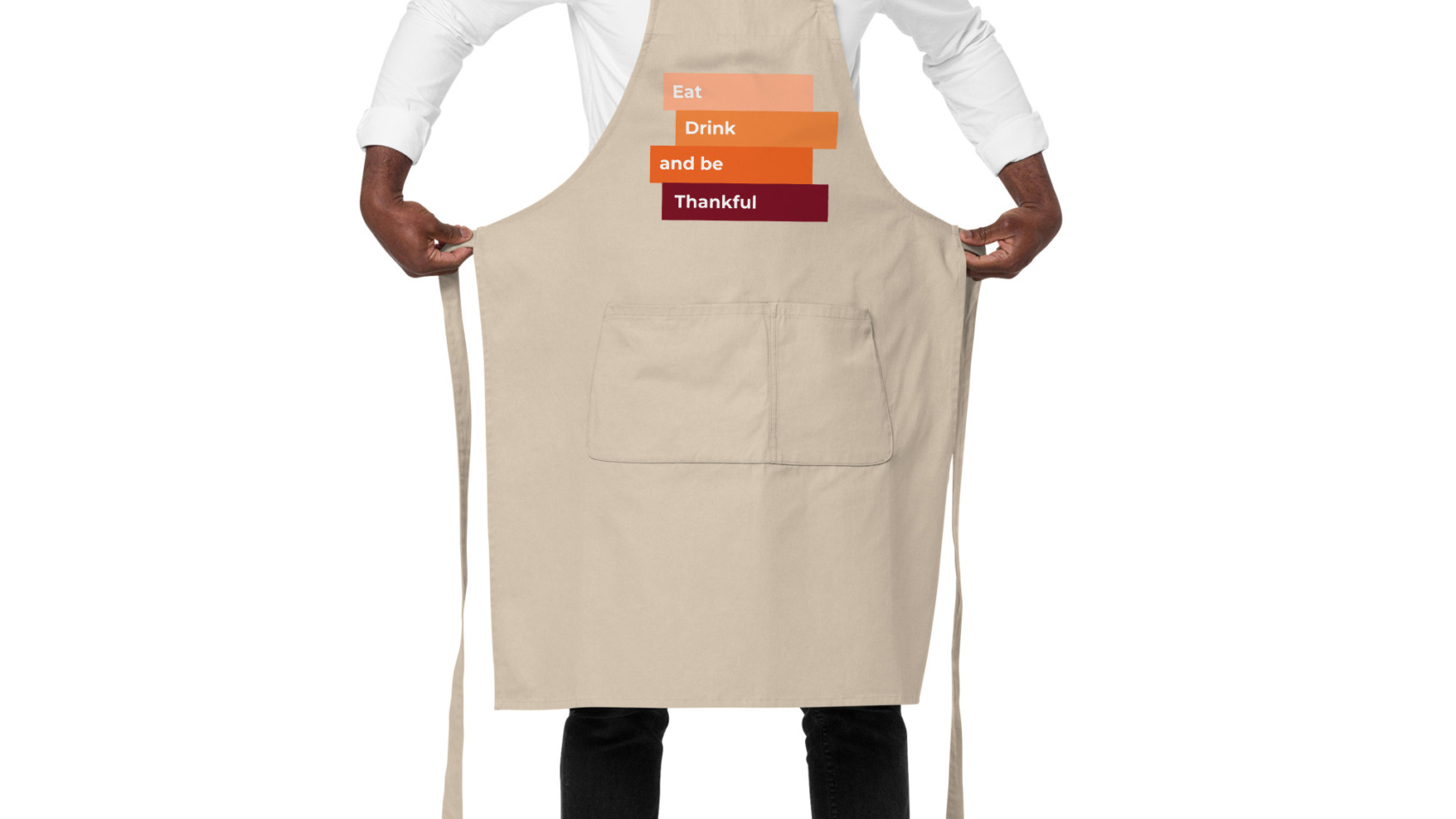
Introducing the Nature’s Sunset Organic Cotton Apron, the perfect blend of function and style for your kitchen adventures. Whether you’re crafting a simple lunch or preparing a gourmet dinner, this apron is designed to be your reliable shield against food spills, heat, and dirt, keeping you looking neat and feeling comfortable throughout the cooking process.

Made from 100% organic cotton, this apron is both eco-friendly and soft to the touch, ensuring you stay comfortable as you whip up your favorite dishes. With a fabric weight of 7.08 oz/yd² (240 g/m²), it strikes the ideal balance between durability and lightweight comfort, allowing for freedom of movement while still offering excellent protection.

The apron features adjustable straps, so you can find your perfect fit every time, whether you’re cooking, baking, or cleaning up afterward. Plus, with its large front pocket equipped with 2 compartments, you’ll have plenty of space to store kitchen tools, recipe cards, or your phone—handy when you need quick access while multitasking.

Order your Nature’s Sunset Organic Cotton Apron today and add a touch of sustainable style to your kitchen. From everyday meals to fancy dinner parties, this apron will have you covered in every culinary moment!

kids-eco-hoodie-black-front-2-67b515afc6bbe.jpg

Introducing the Nature’s Sunset Kids Eco Hoodie, Sustainable Fashion for the Little Ones & Premium Materials for a Sustainable Future

Next week marks the arrival of an exciting new product in the world of eco-friendly clothing: the Nature’s Sunset Live Kids Eco Hoodie. Designed with both style and sustainability in mind, this hoodie is the perfect blend of comfort, warmth, and eco-conscious craftsmanship. If you’re looking for a premium hoodie for your little ones that champions both comfort and environmental responsibility, this is the one to watch.

Premium Materials for a Sustainable Future

At the heart of the Nature’s Sunset Live Kids Eco Hoodie is a thoughtfully crafted combination of 80% organic cotton and 20% recycled polyester. The organic cotton ensures that the fabric is free from harmful pesticides and chemicals, while the recycled polyester makes use of existing plastic materials, reducing waste and the need for virgin resources. This fabric blend provides a soft, breathable feel on the skin, making it ideal for active kids who need both comfort and durability.

With its carefully sourced materials, the hoodie not only feels good but also contributes positively to the planet. It’s certified by several important global standards, including GRS (Global Recycled Standard), OCS (Organic Content Standard), and GOTS (Global Organic Textile Standard). Furthermore, it’s OEKO-TEX Standard 100 certified and PETA-approved Vegan, meaning it’s free from harmful substances and animal products, providing peace of mind for conscious consumers.

Thoughtful Design for Comfort and Functionality

This hoodie isn’t just about being eco-friendly—it’s also designed for practicality and style. It features a front pouch pocket, perfect for storing small treasures or keeping little hands warm. The ribbed cuffs and hem provide a snug fit, while the jersey-lined hood offers extra warmth on chilly days. The brushed lining adds a cozy touch inside, ensuring comfort even during those long days of play.

The raglan sleeves add to the hoodie’s casual, sporty look, offering full range of motion for active kids. Inside, the self-fabric neck tape and half-moon collar provide added durability and comfort, ensuring that the hoodie holds up wash after wash without sacrificing its shape or feel.

Eco-Friendly Packaging and Traceability

In line with its commitment to sustainability, the Nature’s Sunset Live Kids Eco Hoodie comes in fully compostable and recyclable packaging. From production to delivery, every aspect of the hoodie has been carefully considered to minimize its environmental footprint. The entire production process, from knitting to dyeing and manufacturing, takes place in Bangladesh, a region known for its growing focus on sustainable manufacturing practices.

Fashion Meets Sustainability

The Nature’s Sunset Live Kids Eco Hoodie is a stylish choice that lets kids express themselves while also helping to protect the planet. Whether your child is running around outdoors or enjoying a cozy day inside, this hoodie is the perfect companion. It’s designed for all occasions—whether casual, sporty, or simply snuggling up on a cold evening.

With its sustainable construction, premium organic cotton, and recycled polyester blend, the hoodie is a wonderful addition to any wardrobe, giving kids the freedom to look good and feel good about their clothing choices. And the best part? You can rest easy knowing that your child is wearing a product that’s as gentle on the earth as it is on their skin.

Available Next Week: Be Ready to Shop!

Set to hit stores next week, the Nature’s Sunset Live Kids Eco Hoodie will be available in a variety of sizes to accommodate children of all ages. So, if you’re looking for a stylish, durable, and eco-friendly hoodie for your child, don’t miss out on this incredible new arrival. Join the sustainable fashion movement and give your kids the gift of a cozy, eco-conscious wardrobe piece that they’ll love!


For more information on this exciting new product, be sure to check back next week when it arrives in stores. Together, we can create a greener future for our children, one hoodie at a time!